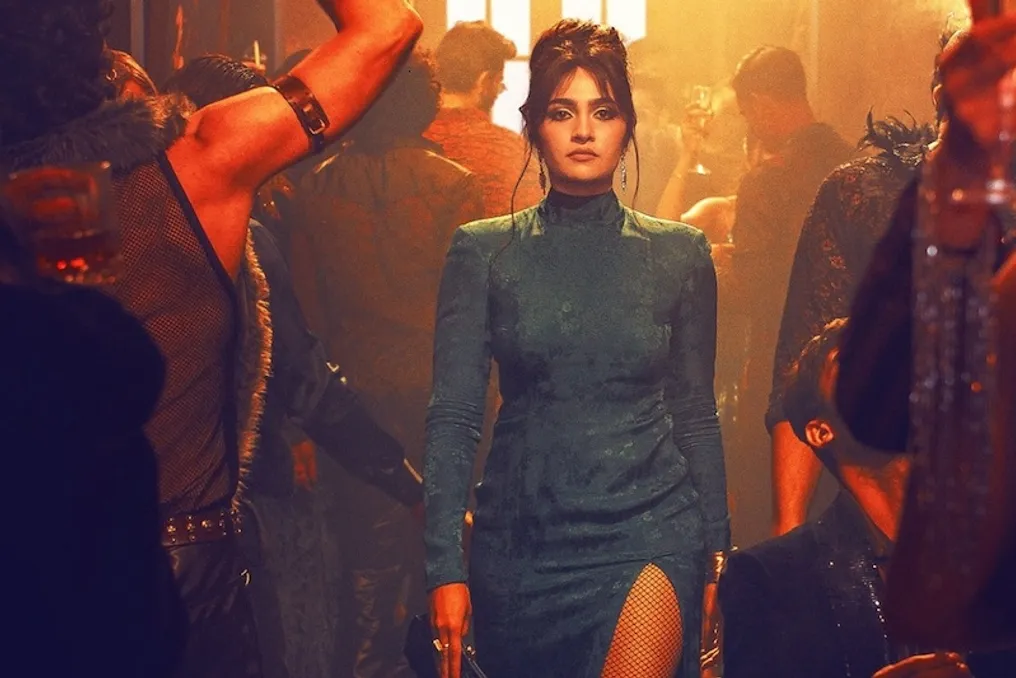
The arrival of spring was marked by the blooming of fruit trees and the blossoming of rosebuds across South Africa. This seasonal transition prompts a look at spring in Indian cinema, where it serves as the primary visual symbol of rebirth, awakening, romance, and pure delight.
Unlike monsoon season scenes focused on heavy downpours, or winter episodes preferring cozy sweaters against misty landscapes, spring plots in Indian cinema emphasize vibrant floral canvases, golden sunlight, gentle breezes, and festive palettes.
Indian cinema employs a specific set of visual techniques to convey energy and romantic awakening. Wide shots taken over manicured tulip gardens, wildflower valleys, and falling cherry blossoms create a fairy-tale, dreamy atmosphere. The dark, somber tones of the rain give way to bright pastel shades, flowing floral saris, and light fabrics that flutter with every step.
The festival of Holi, frequently featured in Indian films, brings explosive bursts of pink, red, green, and yellow powder, visually breaking emotional barriers and social constraints between lovers. Equally iconic are the fields of yellow mustard. Their brilliant golden expanses of thousands of flowering plants are associated with spring in North India, symbolizing homecoming, expansive romance, and deep cultural roots.
Director Aditya Chopra established the field of yellow mustard as the defining romantic landscape of Bollywood when Simran (Kajol) runs through a sea of golden mustard flowers into the embrace of Raja (Shah Rukh Khan), setting a visual benchmark that directors have used ever since.
Perhaps the best example is the iconic song 'Tujhe Dekha Toh Ye Jaana Sanam' from the 1995 blockbuster 'Dilwale Dulhania Le Jayenge'. Aditya Chopra cemented the status of the yellow mustard field as Bollywood's defining romantic landscape by depicting Simran (Kajol) running through a sea of golden mustard flowers into the arms of Raja (Shah Rukh Khan), creating a visual standard referenced by contemporary filmmakers.
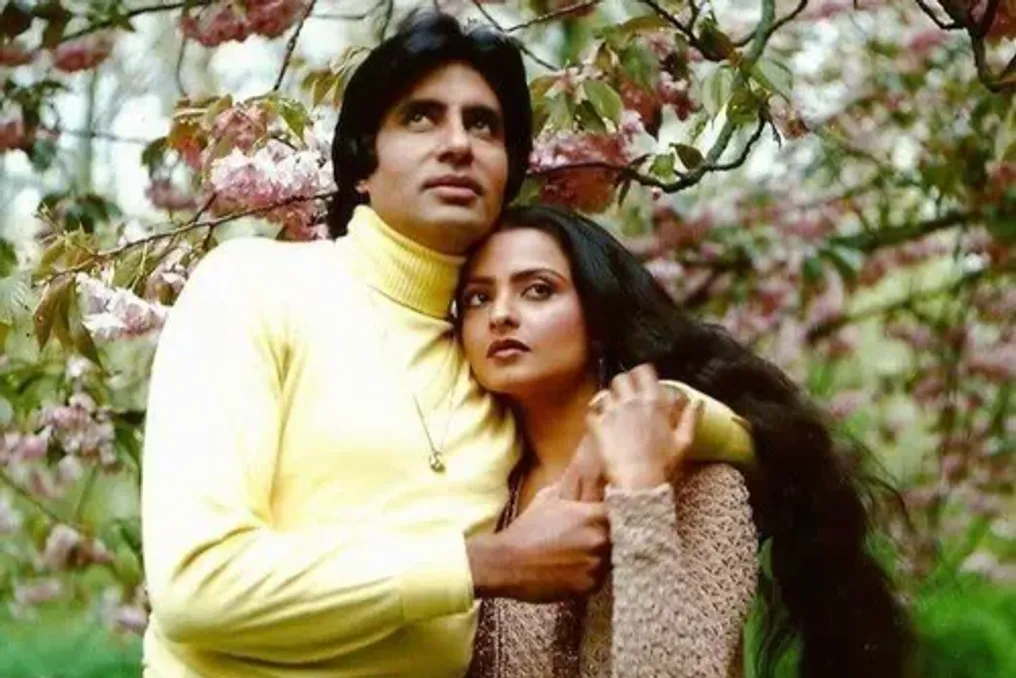
Chopra's use of this grand floral canvas builds upon the legacy of his late father, legendary director Yash Chopra. The elder Chopra is known for making the Keukenhof tulip gardens in the Netherlands the perfect backdrop for romance in the film 'Dil Se' (1981). The song 'Dekha Ek Khwaab' shows Amitabh Bachchan and Rekha strolling among endless rows of bright tulips, framing their forbidden love amidst a sea of spring flowers.
Later, Khan starred in two more films where the spring motif was used to enrich the romantic narrative. In 'Dil To Pagal Hai' (1997), the track 'Dholna' utilized lush green meadows, bright floral prints, and warm, sun-drenched horizons to convey youthful romance. Years later, the bright colors of Gulal powder scattered on happy dancing participants came alive in 'Mohabbatein' (2000) with the festive song 'Soni Soni', conveying the excess of spring celebrations breaking through rigid traditions.
Khan and Kajol reunited years later in 'Dilwale' (2015). In the track 'Gerua', the film lent a high-concept visual aesthetic to the romance, placing the actors amidst vast fields of bright yellow flowers, rainbow-lit waterfalls, and sun-drenched coastlines.
In modern Hindi cinema, spring imagery has transformed from large-scale, choreographed field shots to a stylized aesthetic, resort decorations, and sensory, real-life scenes. In the film 'Jab We Met' (2007), directed by Imtiaz Ali, the track 'Aao Milo Chalo' uses sun-drenched landscapes and blooming greenery across Himachal Pradesh to reflect Geet's (Kareena Kapoor) and Aditya's (Shahid Kapoor) emotional awakening and self-discovery. Here, open spring roads parallel the expanding horizons and the budding affection of the characters.
Festive spring motifs also received a modern update in Ayaan Mukherjee's film 'Yeh Jawaani Hai Deewani' (2013). The track 'Balam Pichkari' animates the spring festival of Holi with bright powders, colorful floral decor, and sunny street revelry. This scene serves not merely as a festive diversion but as a crucial turning point in the plot, symbolizing how the main characters shed their inhibitions and embrace open emotional connection.
In the film 'Highway' (2014), Imtiaz Ali presents spring not as a choreographed dance, but as wild, untamed freedom. He shows Veera (Alia Bhatt) running through golden mustard fields and valleys of mountain wildflowers, freeing herself from the past, using the natural bloom of the landscape to reflect her journey toward personal liberation.
Whether it is the eternal golden fields of Punjab mustard or modern, vibrantly colored festive sequences, spring in Indian cinema remains an enduring visual celebration of new life.