Spanish Football Federation offers players egg cryopreservation option under health program
Read more
IOL
iol.co.za

Spanish Football Federation offers players egg cryopreservation option under health program

As part of a reproductive health agreement valid until 2029, support for fertility, including egg freezing and IVF, will be provided to Spanish women's national team players, futsal players, and relevant referees.

The President of the Royal Spanish Football Federation (RFEF), Rafael Louzan, called the agreement 'globally innovative.' He emphasized that this arrangement, which was developed during discussions with representatives of the Spanish national team, is another step in implementing measures by RFEF to improve the work-life balance.

The Spanish Federation sought reforms after many years of strained relations with the women's national team. This agreement covers a range of services, from providing information on assisted reproductive technologies to various procedures such as IVF or egg cryopreservation.

The agreement applies retroactively to all players who were called up for at least two matches with La Roca since April of last year, as well as to referees, RFEF staff, and players of the women's futsal national team. RFEF will cover the costs of egg freezing for players, initially ensuring the preservation of eggs for a five-year period.

RFEF's Director of Women's Football, Reyes Belver, stated that the goal of the deal is to ensure that 'during the athletes' most fertile years they are protected, have access to information, and we can meet their needs.'

At the agreement's presentation on Tuesday, players Pati Guijarro and Olga Carmona were present. Carmona, who scored the goal that secured Spain's victory in the 2023 World Cup final against England, noted: 'This is a very important step for us.' Her teammate Guijarro considers the agreement significant because 'athletes should not have to choose between their personal and sporting lives.'

Some quarters criticized the agreement, arguing that the focus should be more on protective measures allowing an athlete to become a mother of her own choice, rather than on using assisted reproductive methods. The RFEF initiative follows similar actions by some clubs, including English Chelsea.

Previously, players of the Spanish women's national team had long conflicted with RFEF over conditions and treatment. The situation escalated after the World Cup final in August 2023, when former RFEF president Luis Rubiales kissed forward player Jenni Hermoso without her consent. Rubiales resigned in September 2023 following FIFA's suspension of his activities due to widespread outrage, and the players demanded serious changes.
Similar stories

NHRC sends notifications to all states over healthcare system negligence after young man dies from snakebite
Read more
www.aajtak.in

NHRC sends notifications to all states over healthcare system negligence after young man dies from snakebite

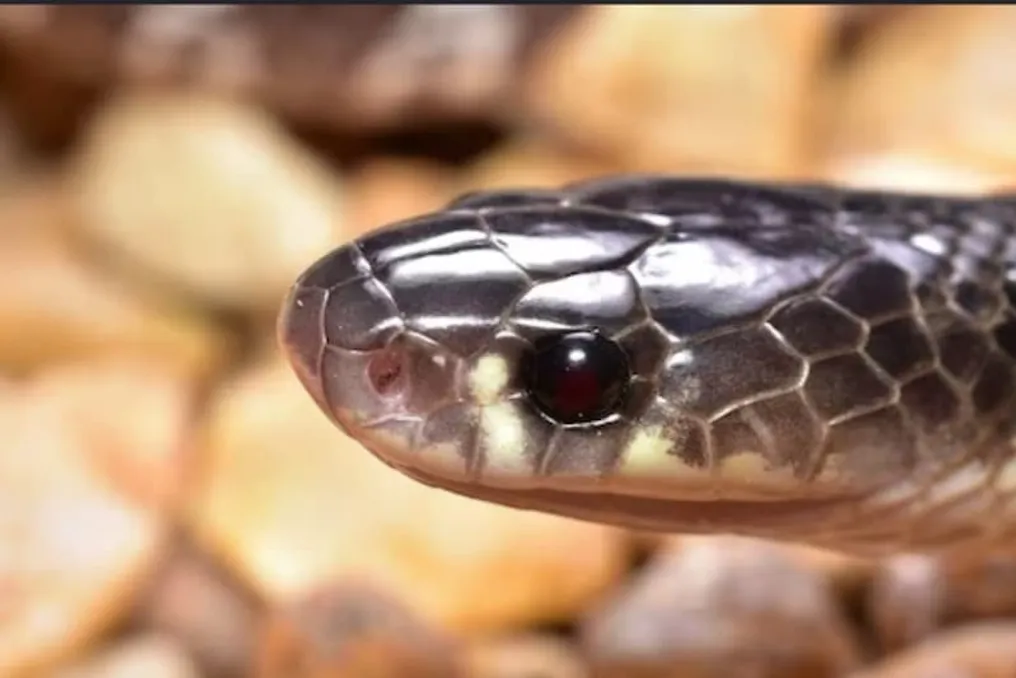
Typically, timely treatment after a snakebite can save a life. However, the death of a young man in Chitrakhad, Uttar Pradesh, has raised serious questions regarding the functioning of public hospitals. An accusation arose that after the young man was taken to the hospital following the bite of a venomous snake, he was unable to receive necessary emergency care.

He was subsequently transferred to Prayagraj, but the young man died en route. Taking this case seriously, the National Human Rights Commission (NHRC) sent notifications to the chief secretaries of all states and union territories in the country. The Commission requested information on the measures taken to ensure the mandatory availability of antivenom (ASV) in remote areas and locations where snakebites occur.

The young man in the village of Handeha, Chitrakhad, was bitten by a venomous snake. His relatives immediately took him to the district hospital. According to the complainant, he was not provided with antivenom in a timely manner. Despite his critical condition, the hospital lacked vital facilities such as a ventilator or an intensive care unit (ICU).

Afterward, the young man was transferred to Prayagraj. The complaint indicates that due to being transferred without adequate emergency transport support, he died on the way. This is regarded in the complaint as negligence in treatment and a lack of necessary life-saving resources. Demands were also made to conduct an impartial investigation into the responsible doctors and officials, as well as to pay compensation to the victim's family.

The NHRC directed the preparation of a report within two weeks. The bench chaired by NHRC member Priyanka Kanungo took this matter under control. The Commission demanded that the states and union territories identify high-risk areas where snakebites frequently occur, collect statistics on such cases, and ensure necessary medical services there.

Snakebite cases have also been recorded in Uttar Pradesh this year. In August, a person in Mahoba sought hospital treatment after a snakebite, and doctors began treatment promptly. In January, an auto-rickshaw driver in Mathura sought antivenom at the district hospital after a snakebite. Currently, the NHRC's focus is on ensuring that patients do not lose their lives due to the absence of timely necessary treatment in the nearest public hospital.

Ganapati's prayer contains a health message: camphor fruit and figs are favorite foods, not modak
Read more
www.aajtak.in

Ganapati's prayer contains a health message: camphor fruit and figs are favorite foods, not modak

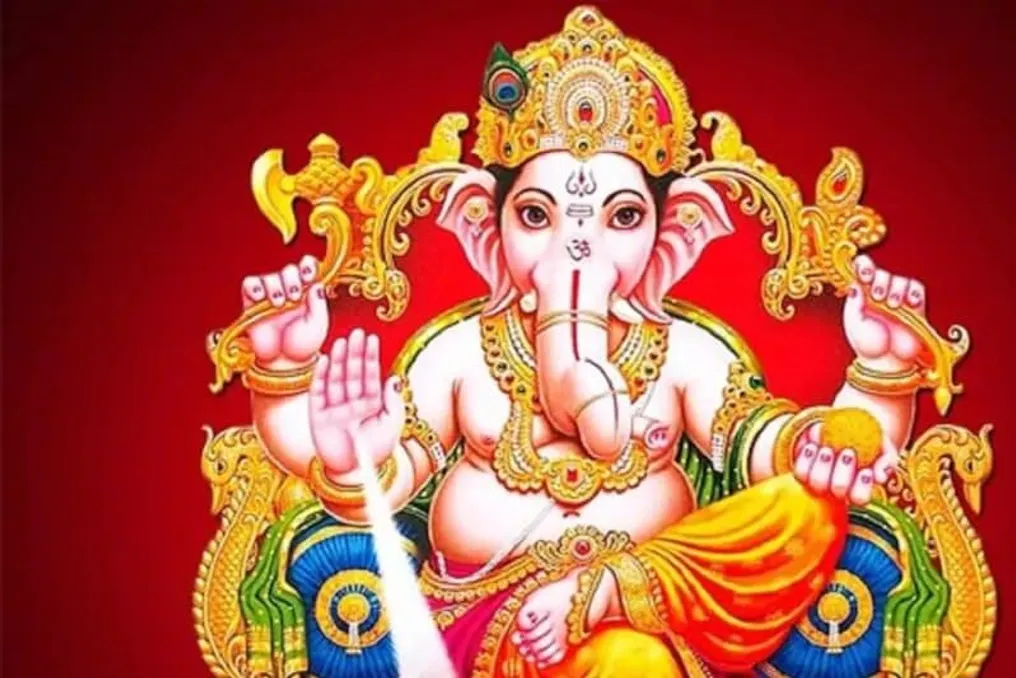
At the beginning of any endeavor, it is customary to remember Shri Ganesha as the remover of obstacles. During worship, modak is often offered to him, which is sometimes mistakenly identified as laddu. However, a true modak is a steamed sweet made from rice flour with a filling of palm sugar and coconut, not a laddu made from chickpea or lentil flour.

But Ganapati loves more than just modak; he also consumes the fruits of the camphor tree (kainta) and figs (jambun). This is mentioned in one of his well-known mantras, which is frequently recited during worship. Upon careful examination of this short mantra, it is found that two specific fruits—kaita and jambun—are clearly named, along with a description of Ganapati's form and size.

The mantra states: 'Gajananam bhutganadi sevitam, kapitthajambufalacharubakshanam | Umasutam shokvinashakarakam, namami vighneshwaraapadpankajam' (Gajananam bhutganadi sevitam, kapitthajambufalacharubakshanam | Umasutam shokvinashakarakam, namami vighneshwaraapadpankajam). Its simple meaning is: I bow to the feet of Vigneshwara, the god who destroys sorrow, the son of Uma, who favors the fruits of kaita and jambu, served by spirits and other ganas, possessing a large head.

A question arises as to why such fruits as kaita and jambun are mentioned in this prayer, and whether this relates only to offerings to the deity or if there is an implication for health benefits. To understand this, it is important to know a famous story associated with Ganapati: it is believed that he was the one who wrote the 'Mahabharata.' He recorded everything Rishi Vedvyas said, continuously, without speaking a word or moving from his place. This story points to prolonged sitting in a meditative posture.

This is where an interesting aspect of the shloka appears: instead of sweets like modak or laddu, it explicitly mentions kaita and jambu. Kaita translates to camphor fruit, and jambu translates to fig. Both these fruits have been present in India since ancient times and are mentioned in Ayurvedic tradition. Thus, the shloka describes not only the appearance of Ganapati but also points to two specific fruits from nature that he favors.

Kaita is a fruit that is very hard on the outside but has soft flesh inside. In Indian cuisine, various dishes are prepared from it, ranging from chutneys and lemonades to many other delicacies. Kaita also holds special significance in traditional medicine. It contains fiber and numerous nutrients. Traditionally, it was used to solve digestive problems. Therefore, mentioning kaita as Ganapati's favorite fruit connects it to a message of balanced nutrition.

The second fruit in Ganapati's shloka is jambu, or fig. This fruit, which appears during the hot and rainy seasons, has long been part of the Indian diet. Figs contain fiber and various natural plant compounds. In traditional Indian medicine, the fruits and seeds of figs were long used, especially in traditional treatments related to blood sugar levels or diabetes. This is why figs are often discussed in connection with diabetes. However, figs or their seeds should not be considered a substitute for diabetes medication; they should be viewed as part of a balanced diet.

It is worth noting another point: when it comes to offering to Ganapati, modak and laddu are primarily remembered. But in this famous meditative mantra, kaita and jambu are named instead of modak. This makes the shloka even more interesting. It is believed that Ganapati's form also contains many symbols: the large head symbolizes intellect, the large ears symbolize the ability to listen, and the small eyes symbolize concentration. Similarly, the presence of kaita and jambu in his diet can be seen as a connection to nature and balanced nutrition.

Popular