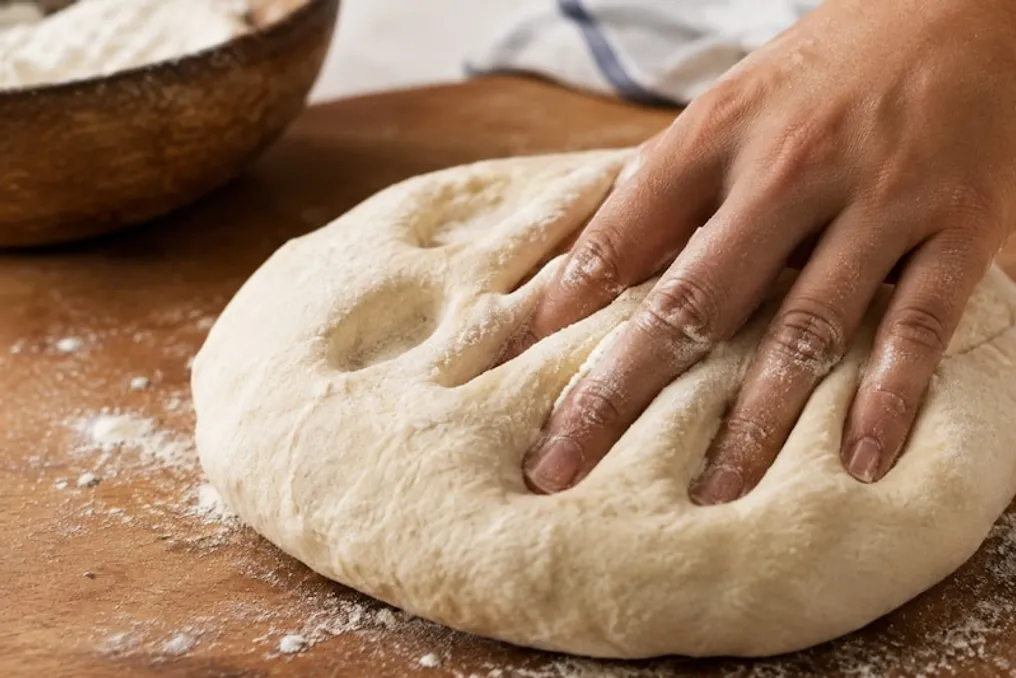
In Hinduism and Vastu Shastra, the kitchen is considered the central place for the well-being and prosperity of the home. Food prepared in the kitchen not only nourishes the body but also influences the energy of the house and the destiny of its members. It is often observed that elderly women or homemakers leave fingerprints on the dough immediately after kneading. At first glance, this is a common habit, but there are deep religious, Vastu, and scientific reasons behind it.
In sacred scriptures, the shape of the kneaded dough is associated with ancestors (Pitrus), positive household energy, and the grace of Goddess Annapurna. When dough is kneaded into a round ball or lump and left without any markings, it is called 'pinda'. In the scriptures, 'pinda' is associated with ancestors and the Tarpan ritual. Next, we examine the main Vastu and religious rules related to this process.
Main Vastu Reasons
Protection from ancestral sins and negativity
In Hinduism, during Sharaddha or Tarpan rituals after a person's death, round 'pindas' are made. It is believed that if the kneaded dough is left round and flat, ancestors or other unseen souls may be attracted to it, mistaking it for food.
The significance of fingerprints
Adding fingerprints to the kneaded dough prevents it from remaining a 'pinda'. This serves as a symbol that this dough is intended for the consumption of living people.
Respect for Goddess Annapurna
To maintain the purity of food in the kitchen and receive the blessings of Goddess Annapurna, it is recommended to avoid leaving the dough in the form of a 'pinda'.
Other Important Vastu Rules Related to Kneading Dough
Use fresh dough
From both a Vastu and health perspective, dough should always be kneaded for immediate use. Storing leftover dough in the refrigerator for later consumption leads to an increase in negative energy in the house (influence of Rahu-Ketu).
Illness and poverty from stale dough
Dough stored in the refrigerator becomes similar to a 'pinda'. This negatively affects the health of family members and exacerbates family disagreements.
Do not discard water
If some water remains in the vessel after kneading the dough, it should be poured into a pot or plant. Disposing of water down the drain is considered disrespectful to food and water.
Pay attention to direction
When kneading dough in the kitchen, it is advisable to face east while preparing bread. This helps preserve happiness and prosperity in the home.
Should Bread Be Made from Stale Dough?
Negative influence of Rahu-Ketu and Shani
According to Vastu Shastra, when dough is kneaded and left for a long time or overnight, the negative influence of Rahu-Ketu and Shani begins to grow within it. Consuming food made from such dough can lead to mental stress and obstacles in a person's life advancement.
Disrespect to Mother Annapurna
Vastu Shastra asserts that food must always be fresh and pure. Using stale dough causes dissatisfaction in Mother Annapurna, which can lead to financial difficulties and poverty in the home.