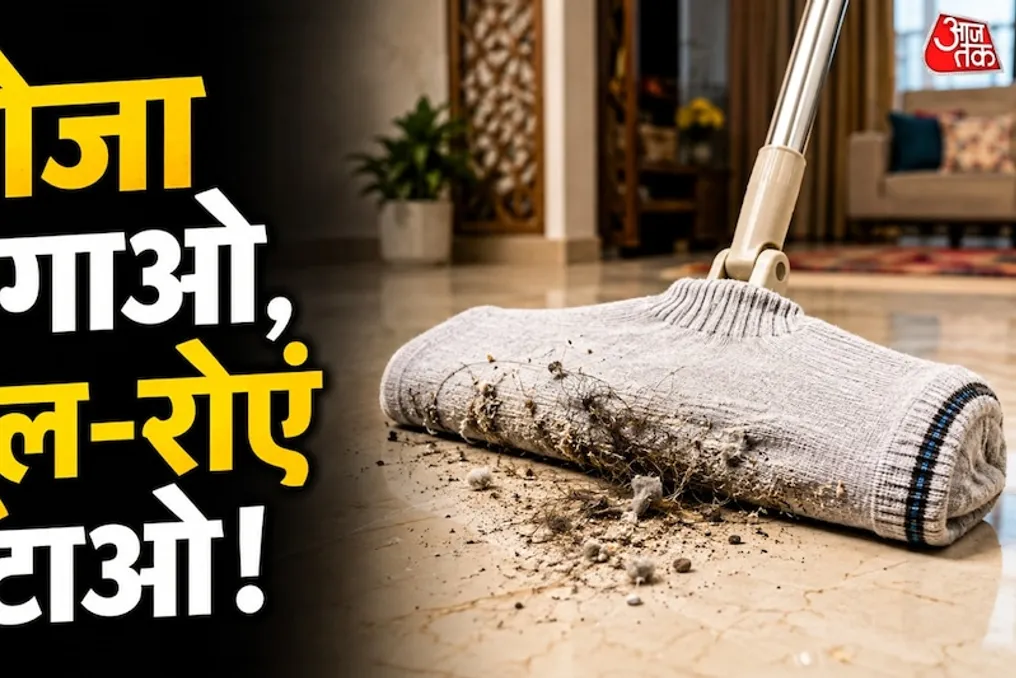
In India, maintaining cleanliness in the home is an integral part of daily chores. Sweeping the floor in the morning, followed by mopping, is very common. Just as preparing vegetables and bread in the kitchen daily is considered crucial, maintaining household cleanliness is also deemed extremely important. However, despite diligent work cleaning every corner of the house from the morning, dust and dirt begin to reappear on the floor after a few hours. This problem is not unique to one home but is characteristic of all living spaces.
The dirt, dust, and soil that enter the house from the street, especially from roads, particularly complicate cleaning. Because of this, it is necessary to frequently use a broom and mop, which increases the daily workload.
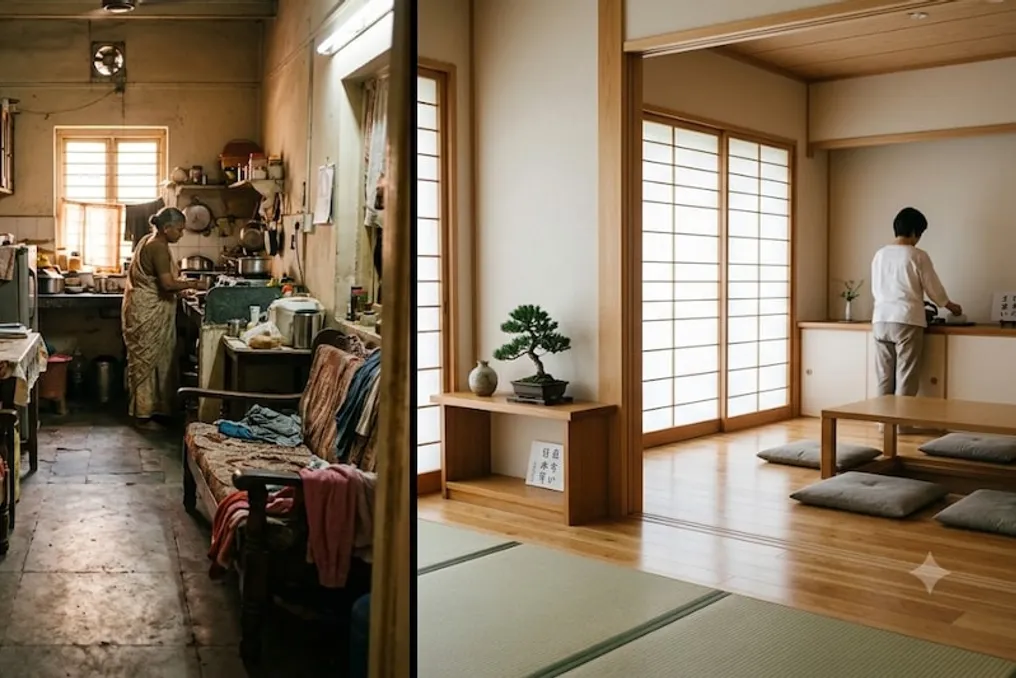
However, you may not know that one small habit of Japanese residents can significantly reduce the amount of dirt entering the house. Japanese residents are very attentive to cleanliness and incorporate small habits into their lifestyle to prevent dirt from getting inside. One such habit allows for the reduction of dust and dirt accumulating on the floor without requiring the purchase of expensive goods.
In Japan, people do not walk around the house in outdoor shoes. They take off their shoes right at the entrance door and put on special indoor slippers or sandals. Thus, dust, dirt, and trash brought in from outside have no chance of reaching the flooring. Indeed, there is often a special shoe rack at the entrance of their homes where they place their outdoor shoes and slippers before putting on indoor footwear.
Shoes can bring not only dust but also various types of contaminants. During the day, people visit many places outside the home—roads, markets, offices, or parks. Dust and dirt from these places can settle on the shoes. If shoes like these enter the house, all this dirt gets onto the floor and carpets. The Japanese habit of changing shoes helps stop this dirt outside the residence.
To adopt this habit, you do not need to buy expensive items. You need to designate a small area near the main entrance where outdoor shoes can be removed. After that, separate slippers for indoor use should be placed. It is advisable to use these slippers exclusively within the house.
By adopting this Japanese habit, you can prevent dust and dirt from entering your home from the outside. However, this does not mean that house cleaning will not be required at all. Dust can enter the room through windows, from wind, and other sources. Nevertheless, by preventing external soil and dirt from entering through shoes, you can avoid rapid floor contamination. This allows you to eliminate the need to wash and sweep the floor multiple times every day.
A small habit can help keep the house clean. Maintaining household cleanliness does not always require expensive cleaning agents or hours of cleaning. Sometimes, it is small habits that have a significant impact. Just like in Japan, removing outdoor shoes upon entering the house is a simple habit that can be adopted in Indian homes to significantly reduce the amount of dust and dirt on the floor.