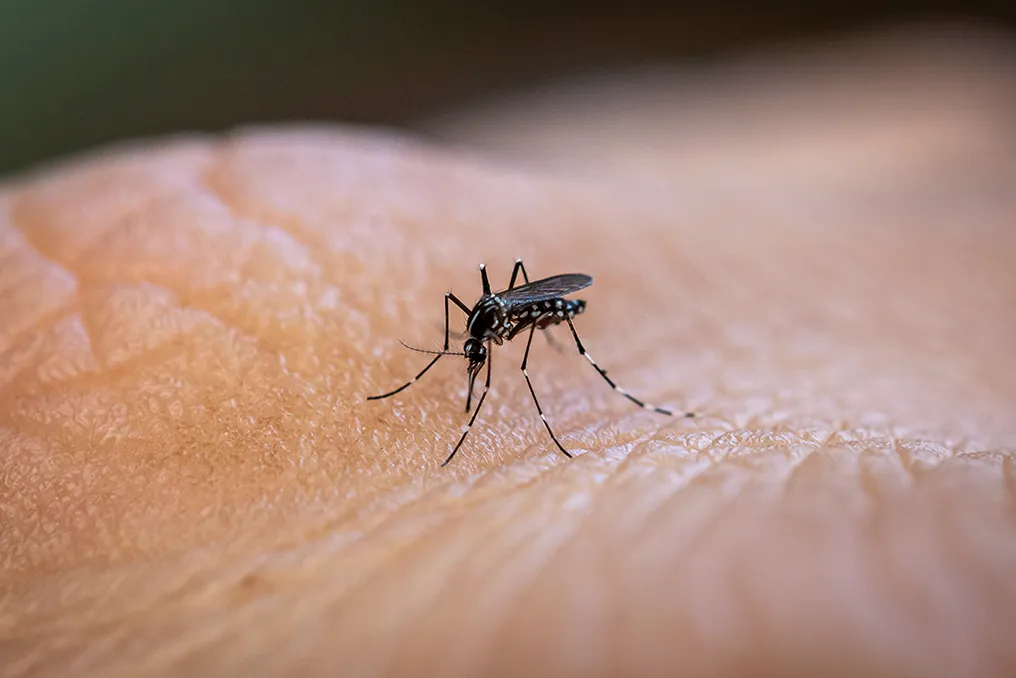
The way individuals react to mosquito bites varies drastically, even when exposed to the same number of bites in a short period. This difference lies in how the mosquito's saliva interacts with the host's immune system.
When biting, the mosquito injects saliva into the skin, which is recognized by the immune system as a foreign agent. In response, histamines are released by immune cells, causing allergic symptoms such as redness, swelling, and itching. However, the saliva contains several other biologically active compounds that modulate the immune response in more elaborate ways.
Among these compounds are proteins that prevent blood coagulation and maintain flow, allowing the insect to feed without interruption. These same salivary proteins can modify the local immune environment minutes after the bite, directing the immune system toward a specific response, called the 'Th2 response,' which is more related to allergic reactions than to fighting infections.
This alteration makes adjacent blood vessels temporarily more permeable, facilitating the arrival of extra immune cells to the area. In simple cases, this results in more redness, swelling, and itching. However, researchers speculate that this immunological modification may also aid in the fixation and dissemination of viruses transported by the mosquito onto the skin and into the body.
An extensive genetic study involving over 84,000 participants confirmed this great variability in reactions, which can range from small bumps to intense swelling. Individual reactions can change over time. It is observed that children usually present stronger reactions than adults, and the saliva varies between mosquito species, which also influences the response.
The general trend is that reactions are more severe upon first exposure to a specific species, gradually decreasing with repetition, a process analogous to the development of tolerance. Children, having fewer exposures, remain in this phase of intense reaction. Similarly, an adult accustomed to local mosquitoes may react violently when traveling to areas with different species, as their immune system has not yet recognized those specific salivary proteins.
Furthermore, hereditary differences in immune regulation also contribute to the intensity of the response. However, the main cause of severe reactions is considered a mild hypersensitivity to mosquito saliva. A smaller group of people develops exaggerated local reactions, known as Skeeter syndrome, where the swelling exceeds the bite and can be mistaken for bacterial cellulitis.
Although there is no single known cause for this hypersensitivity, it is believed that Skeeter syndrome results from an exceptionally vigorous immune response to salivary proteins, involving specific antibodies and other inflammatory responses. Age, prior exposure, and individual susceptibility can influence the development of this exaggerated response. Fortunately, severe allergic reactions are very rare.
For those who react poorly, applying cold compresses after the bite can mitigate swelling. Oral antihistamines and topical creams with mild corticosteroids also help relieve itching and inflammation, especially if applied early. It is crucial to avoid scratching, as this can prolong inflammation, injure the skin, and increase the risk of infection. Very intense reactions, aggravated pain, or fever require medical evaluation.
Prevention remains the most effective strategy, including the use of repellents, skin coverage, and sleeping under treated nets in endemic regions. The implications of saliva go beyond immediate discomfort; researchers note that these proteins can influence pathogen transmission.
The same immunological changes that cause itching appear to strengthen initial infection and the dissemination of mosquito-borne viruses, such as dengue, Zika, and West Nile virus, compared to a viral injection without saliva. Regarding malaria, one study revealed that children infected with Plasmodium falciparum presented altered body odors, attracting mosquitoes due to high levels of chemical compounds. Such findings suggest that malaria parasites may modify the host's odor to increase vector attraction. For these reasons, scientists are investigating vaccines that target the mosquito saliva itself, and not just the pathogens it carries.