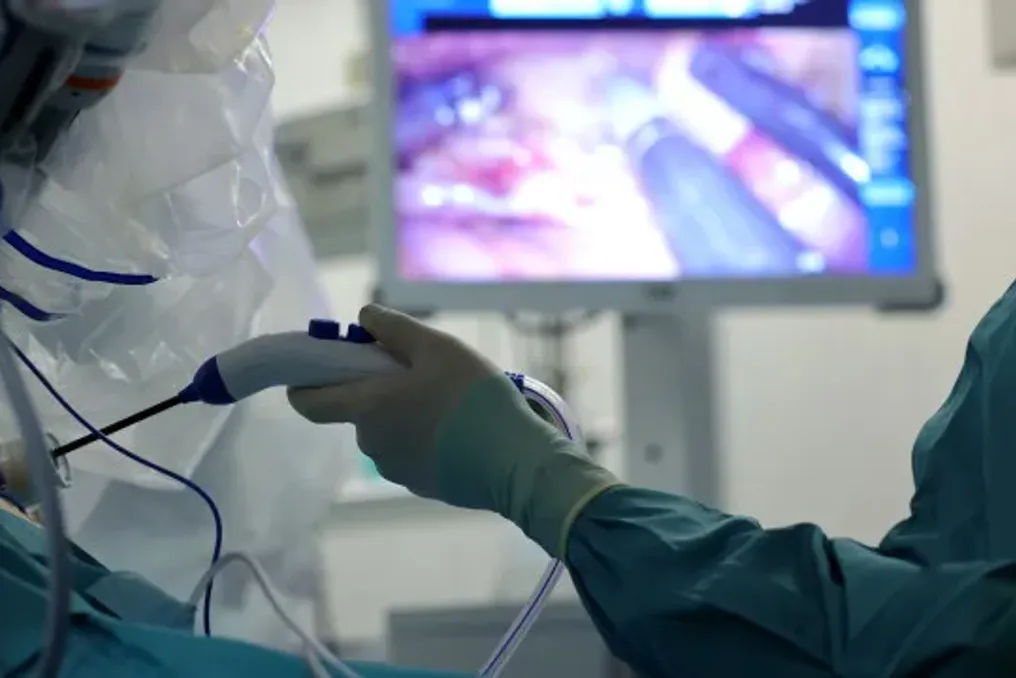
The first robotic surgical interventions on the kidneys have taken place in Angola. The first patient was Pinto Cafumana, aged 52. The operation was performed at the Cardala Dom Alexandre do Nascimento Comprehensive Hospital (CHDCP) in Luanda after he suffered from kidney problems for two years.
After the operation, Pinto Cafumana stated that he had hematuria, meaning blood in his urine, and following a consultation, he was diagnosed with a kidney tumor. He noted that he had previously sought treatment in neighboring Namibia, but due to high costs, he had to return to his country, for which he thanked the head of state of Angola for investing in this infrastructure.
The medical team is led by Brazilian urologist and robotic surgeon Ozeas Neves. He emphasized the advantages of such operations, including less bleeding and pain, as well as a faster return of the patient to normal activities. Neves reported that the first operation proceeded without complications, there was little time, and everything went according to plan; the patient is in good condition and showing positive dynamics.
During his third visit to Angola, the doctor called robotic surgery in Angola a 'very important milestone,' as it is a rapid surgical method now being performed by a local team. Ozeas Neves specified that the main causes of kidney operations are cancer, loss of kidney function, kidney stones, infections, and large renal cysts. Within the current campaign, operations on cysts larger than 10 and 15 centimeters are planned.
Filiacino Direito, a urologist with 14 years of experience, noted that 15 robotic surgeons are currently undergoing training in general surgery, gynecology, and urology. He stressed that this is a gradual process of innovation, and although operations are already being performed, they are carried out under the supervision of Dr. Ozeas's team. Direito also expressed concern about kidney diseases in Angola, mentioning that pathologies such as tumors, cysts, and kidney stones can seriously affect the kidneys.
The local doctor urged patients to trust the Angolan team, as robotic surgery has become a reality in the country. He highlighted that previously obtaining such an operation required travel and significant expenses, but now the Government and the Ministry of Health have made the surgical system functional. Polineu Paxi, a urologist, added that other campaigns have been conducted, and 'Angolan teams are gaining independence.' He cited recent gynecological and urological operations that are mainly performed by national teams.
This campaign is the eighth robotic surgery campaign, which has already accounted for 145 procedures and 15 trained Angolan surgeons. The program began in August 2024. The Ministry of Health notes that this initiative aligns with the strategy of healthcare modernization, the introduction of advanced technologies, and the gradual strengthening of the qualifications of Angolan specialists.