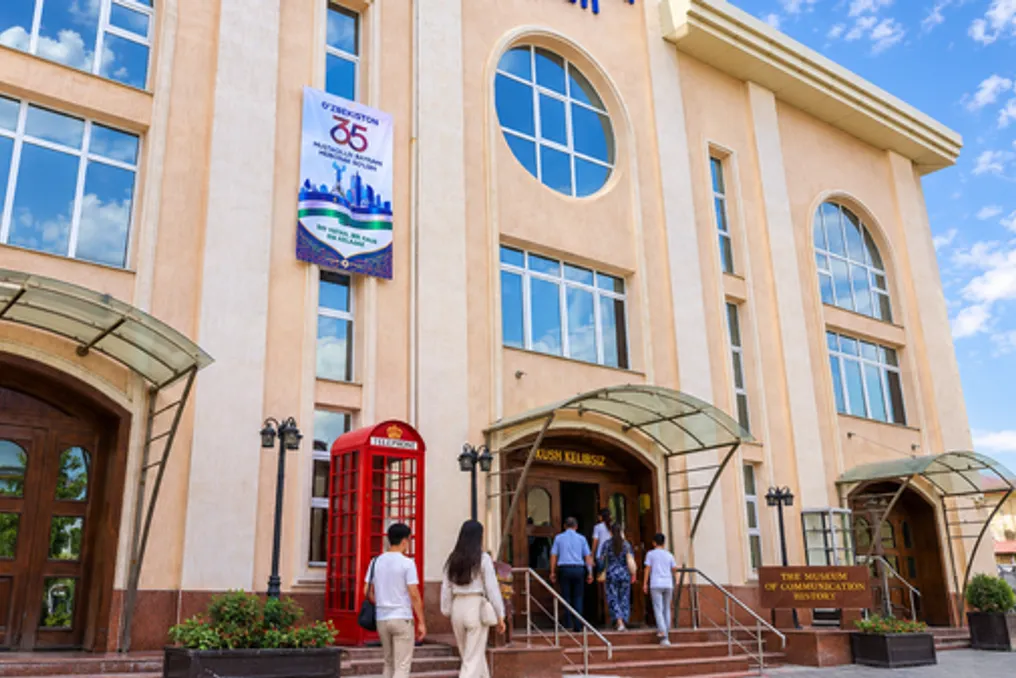
The Museum of Communication History in Tashkent demonstrates how human means of communication have transformed over the centuries, starting from fire signals and pigeon post up to modern smartphones. The history of communication is inextricably linked to humanity's need to exchange information and convey thoughts over long distances.
The museum's exhibition allows one to trace this path of development from the first signals to today's digital technologies. The tour begins with a 'genealogical tree' of communication development, which presents various methods of information transmission used by people long before the advent of modern communication tools.
One of the most ancient ways of transmitting information was fire and smoke signals. Messages were transmitted from high hills: during the day using smoke, and at night using fire. A signal seen on one hill would be passed on to the next destination point, allowing information to spread faster than with a messenger.
Pigeon post also holds a special place in the history of communication. As the museum's chief curator emphasizes, pigeons were used because of their instinct to return to the place where they were raised and fed. The birds carried messages in caravans and then returned home with news.
The exhibition also features materials dedicated to the postal service of the Great Silk Road. A 17th-century map reflects the system of message delivery by messengers along the Great Silk Road. Along this route, caravan serais and working settlements were located every 15–20 kilometers, where messengers could rest, change horses, and, if necessary, call upon military personnel for protection.
The museum widely displays later stages of the postal service's development. Postal bags, scales, stamp devices, cash registers, calculating machines, lanterns, and other equipment provide insight into the postal system of that era.
Postmarks from various foreign countries are also presented. A stamp served not only as confirmation of payment for postal services but also as a kind of 'calling card' of the state, depicting the country's nature, wildlife, historical figures, and architectural monuments.
The museum houses state postage stamps issued after Uzbekistan gained independence.