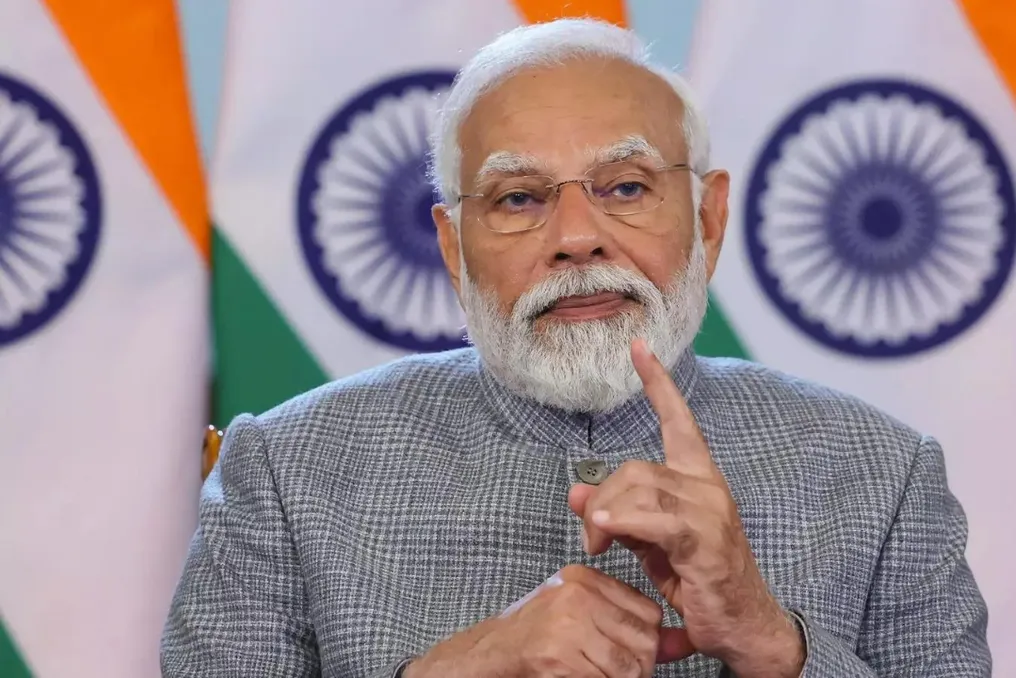
Prime Minister Narendra Modi addressed the financial technology ecosystem with a call to increase the international presence of the UPI system, integrate it with local payment systems in other countries, and help the diaspora save on money transfer costs.
During his speech after the opening of the seventh Global Fintech Festival, Modi noted that the UPI platform is already operational in 11 countries and is successfully connected to Singapore's local system.
The Prime Minister urged the industry not to rest on the achievements of the past decade, when UPI became a ubiquitous platform for instant domestic payments, but to focus on further expanding UPI's reach.
He emphasized that efforts should be directed towards countries with a large Indian diaspora that has significant trade turnover with India, or those willing to partner and integrate systems.
Modi explained the importance of this step by stating that Indians work in large groups abroad and are the largest remitters of funds. He added that some of these transfers are lost due to transaction costs, and UPI can help reduce these expenses by allowing money to reach families faster.
Furthermore, he noted that global card payments are currently made through systems developed in other nations, but India now has an indigenous alternative. 'We can set our own rules and standards and connect them to the world,' said Modi.
Echoing the words of French President Emmanuel Macron, the Prime Minister stated that UPI represents not only a technological but also a civilizational story. He suggested that following numerous successes in payments in recent years, the next chapter for the Indian fintech industry should be related to non-payment transactions.
Finally, the Prime Minister strongly requested the fintech community to develop high-quality cybersecurity solutions, establish ethical data protection standards, and highlighted the need to create a regulatory ecosystem for fintech, as well as a consumer rights protection index for fintech that would allow each company to be assessed based on its level of transparency.