Ten Most Picturesque Lakes in India with Unique Natural Landscapes
Read more
Aaj Tak
www.aajtak.in

Ten Most Picturesque Lakes in India with Unique Natural Landscapes

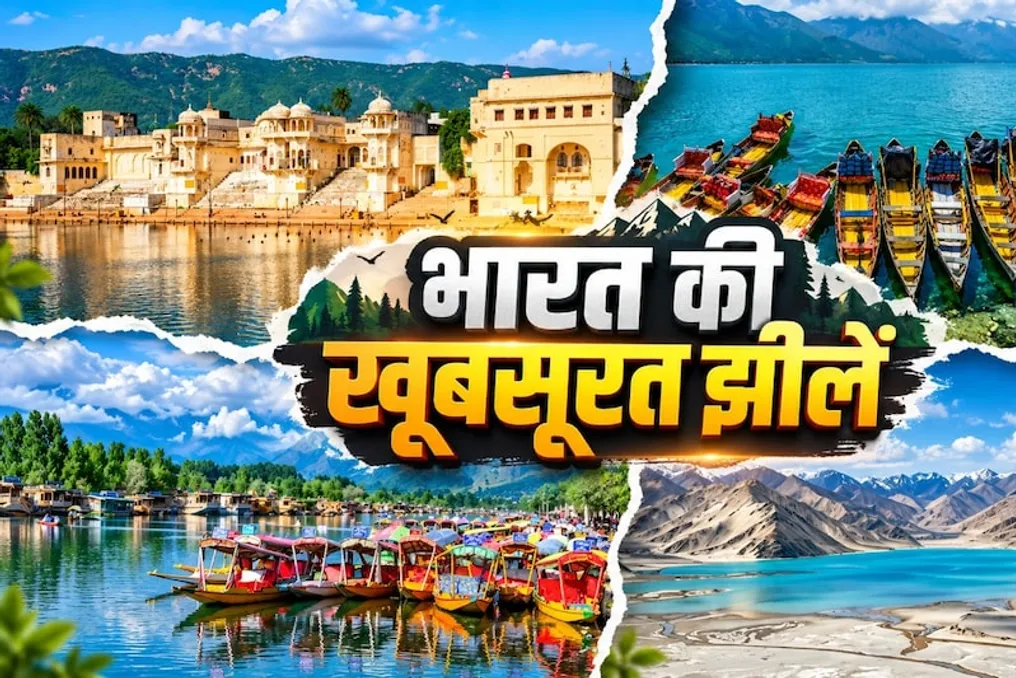
India boasts numerous magnificent places where one can enjoy tranquility against stunning natural landscapes. Lakes located in various parts of the country are known for their beauty, surrounded by mountains and rich culture. Some lakes are situated among high mountains with blue water, while others attract tourists with historical and religious sites located on their shores.

If you enjoy spending time alone in nature and taking beautiful photographs, you can include these Indian lakes in your travel list.

Beautiful Lakes of India:

Pangong Tso (Ladakh)

Pangong Tso in Ladakh is one of India's most famous lakes. Located at an altitude of about 4350 meters, the water in this lake changes color depending on the lighting—sometimes it is deep blue, and sometimes turquoise. The high, arid mountains surrounding the lake add even more beauty to it. Here, you can engage in camping, stargazing, and photography. The best time to visit is from May to September.

Dal Lake (Kashmir)

Dal Lake in Srinagar is considered the calling card of Kashmir. Surrounded by mountains, it is especially famous for shikara rides and staying in houseboats. During a shikara trip, you can enjoy beautiful views of the lake, and the floating gardens and nearby Mughal gardens also attract many visitors. The ideal time to visit is from April to October.

Naini Lake (Uttarakhand)

Naini Lake, located in Nainital, Uttarakhand, is a very beautiful lake surrounded by hills. It has a pear shape. Tourists can enjoy boating and viewing the picturesque surroundings of Nainital nearby. A walk around the lake in the evening also brings pleasant impressions. It is best to plan a trip here from March to June and from September to November.

Gurudongmar Lake, Sikkim

Gurudongmar Lake in Sikkim is among the highest lakes in the world. Located at an altitude of about 5430 meters, it possesses not only natural beauty but also religious significance. The serene atmosphere of the lake, nestled among snow-capped mountains, strongly attracts tourists. Before traveling, it is recommended to familiarize yourself with the weather conditions and local travel rules.

Tarsar Lake (Kashmir)

Tarsar Lake in Kashmir is situated among mountains and green valleys. Accessing it requires a trek, making it suitable for adventure lovers. The mountain views along the way and the tranquil atmosphere of the lake make the trip unforgettable. Summer is considered the best time to visit.

Bhimtal Lake (Uttarakhand)

If you want to spend time by a quiet lake away from the crowds of Nainital, Bhimtal can be a good alternative. In the center of the lake there is a small island with an aquarium. Here, you can enjoy boating, photography, and the surrounding nature. Visiting here can be planned from October to March.

Vular Lake (Kashmir)

Vular Lake in Kashmir is one of the largest freshwater lakes in India. Surrounded by mountains and greenery, it is ideal for nature lovers. You can see many species of birds here, making it an excellent spot for bird watching. The best time to visit is from March to October.

Husain Sagar Lake (Hyderabad)

Husain Sagar Lake in Hyderabad is a beautiful artificial lake. Its main attraction is the huge Buddha statue in the center of the lake. In the evening, you can enjoy a boat cruise and beautiful city views. The best period for visiting is from October to March.

Pushkar Lake (Rajasthan)

Pushkar Lake in Pushkar, Rajasthan, holds great religious and cultural significance. Numerous ghats and temples are located around the lake. People from all over the world come here for religious pilgrimages. The atmosphere of the place becomes even livelier during the Pushkar Fair. A good time to visit is from October to March.

Kedartal Lake (Uttarakhand)

Kedartal Lake in Uttarakhand is a picturesque alpine lake located among high mountains. Accessing it requires a challenging trek, making it ideal for adventure travelers. Along the way, you can see snow-capped mountains and beautiful glacial landscapes. The best time to visit is from May to October.

These Indian lakes are special not only because of their beauty but also due to their diverse culture, religious significance, and opportunities for active recreation. If you are planning your next trip and want to spend time closer to nature, avoiding crowded places, be sure to include these lakes in your itinerary.
Similar stories

Ten Most Picturesque Places to Visit in India: From White Deserts to Blue Lakes
Read more
www.aajtak.in

Ten Most Picturesque Places to Visit in India: From White Deserts to Blue Lakes

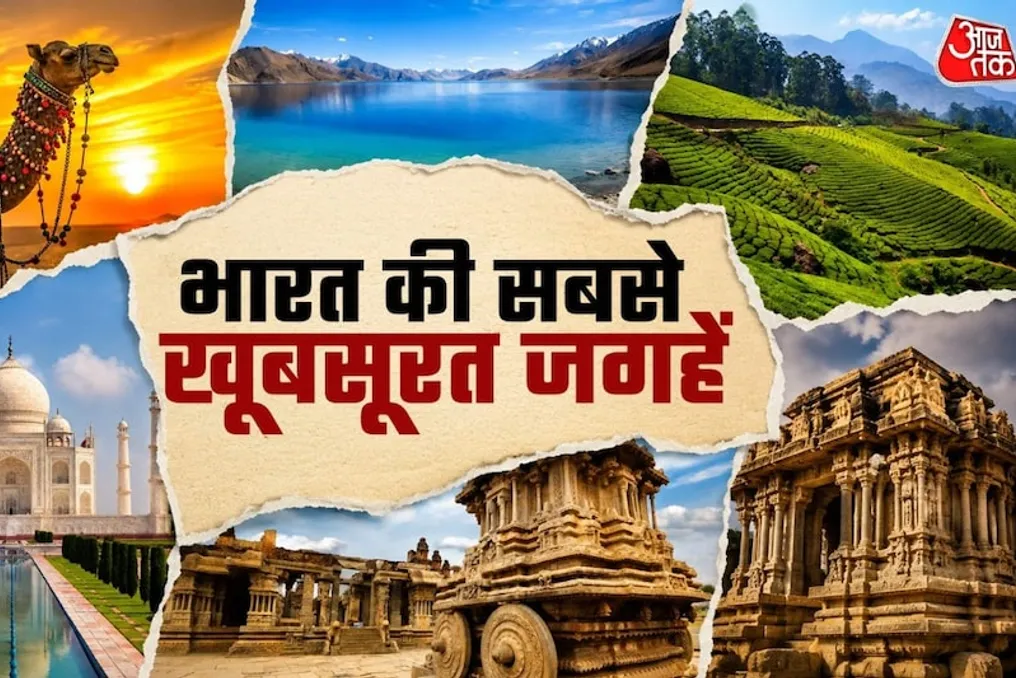
India is known worldwide for its magnificent landscapes, historical monuments, beaches, and unique natural attractions. The country hosts numerous places that are hard to imagine being located there. Among them, one can find both snow-capped mountain peaks and white salt deserts, as well as sites renowned for their centuries-old history and unusual architecture. Those who love to travel and wish to see the beauty of the country from the inside are recommended to include these locations in their travel lists.

Hampi (Karnataka)

Hampi in Karnataka is a wonderful place for lovers of history and architecture. Here, you can view ancient temples, palaces, and numerous historical ruins. It was formerly the main center of the Vijayanagara Empire, and today its ruins tell of its majestic history.

Ajanta-Ellora Caves (Maharashtra)

The Ajanta and Ellora Caves in Maharashtra represent an outstanding example of ancient Indian art and architecture. These caves, carved into the rocks, contain magnificent sculptures, paintings, and temples. For people interested in history, this place is comparable to a real treasure.

Taj Mahal (Agra)

The Taj Mahal in Agra is among the most famous historical buildings in India. This beautiful structure made of white marble has become world-renowned for its architecture and love story. The view of it in the morning and evening is especially impressive.

Radhanagar Beach (Andaman)

If you like the sea and quiet corners, Radhanagar Beach in Andaman will surely appeal to you. The clear blue water, white sand, and surrounding greenery make it very beautiful. Watching the sunset here is simply unforgettable.

Kutch Rann (Gujarat)

The Great Salt Desert of Kutch Rann in Gujarat is known for its vast white layer of salt. The endless white plain and the stunning sky view give this place a special uniqueness. Sunset and full moon nights here can be an unforgettable experience.

Munnar (Kerala)

Munnar in Kerala is famous for its lush green hills and extensive tea plantations. The local calm and cool climate is very pleasing to visitors. It is an ideal place to spend relaxing days amidst nature.

Pangong Lake (Ladakh)

Pangong Lake in Ladakh is world-renowned for its beauty and the blue color of its water. Located among high mountains, the lake changes its hue depending on the lighting. The calm atmosphere and mountain landscape here resemble a fairy tale.

Pench National Park (Madhya Pradesh)

Those who are interested in forests and wildlife should visit Pench National Park. This area is known for its dense forests and the animals living there. During a safari, one can see animals such as tigers in their natural habitat.

Dawki (Meghalaya)

Dawki in Meghalaya is famous for its exceptionally clean and transparent river. In clear weather, the water in the river is so transparent that objects on the bottom can be seen. The green mountains around enhance the beauty of this place.

Double-Decker Living Root Bridge (Meghalaya)

The Double-Decker Living Root Bridge, located in Nongriat village in Meghalaya, attracts attention with its unusual structure. These bridges are created through the natural growth of tree roots. To see them, trekking is necessary, but the surrounding greenery and natural scenery make the trip itself special.

Six Most Beautiful Mountain Lakes in India Offering a Mountain Beach Atmosphere
Read more
www.aajtak.in

Six Most Beautiful Mountain Lakes in India Offering a Mountain Beach Atmosphere

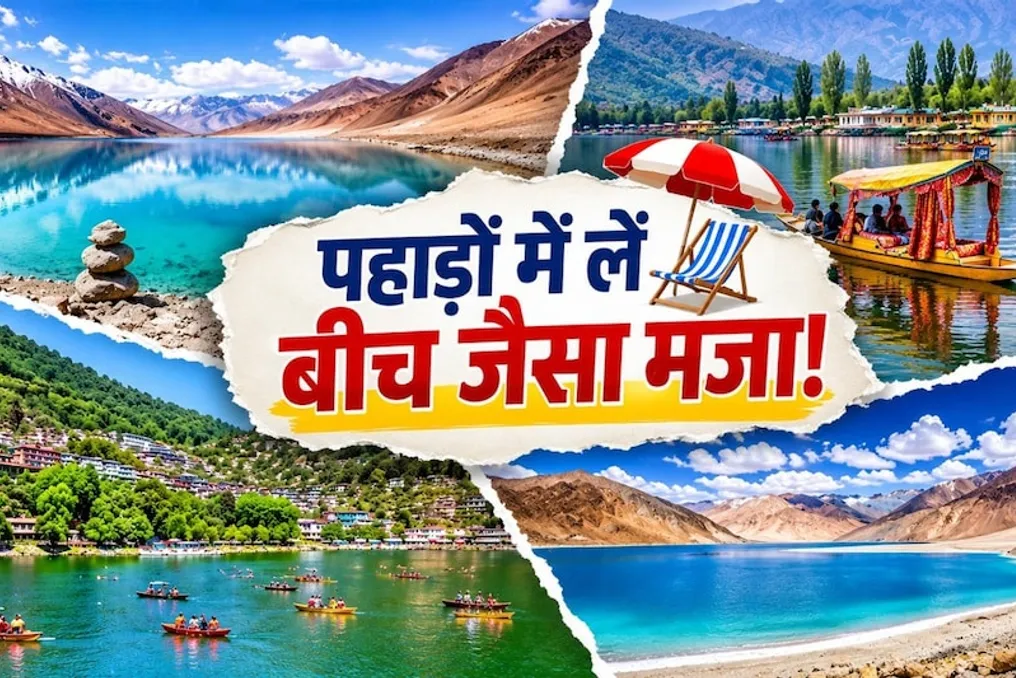
When the seashore, the sound of waves, and walks on the sand are mentioned, a certain image often comes to mind. Many people travel to Goa or Mumbai every year to enjoy the sea. However, there are places in India where, instead of the sea, you can see a landscape resembling a beach amidst the mountains.

The combination of clean lake water, sandy shores, and surrounding mountains creates an atmosphere as if you are at a mountain beach. If you want to combine the pleasure of mountains and beaches, we will tell you about several such locations located right in India.

Best Mountain Lakes in India:

Chandratal, Himachal Pradesh

Chandratal Lake, located among the high mountains of Himachal Pradesh, is famous for its beauty. Its blue water and surrounding mountains make it special. Sitting on the shore, one can feel a tranquility comparable to the seaside, although here you are accompanied by high mountains and cool air instead of the sea.

Tso Moriri, Ladakh

The view of Tso Moriri Lake, located at a high altitude in Ladakh, rivals exotic destinations. Its blue water, open sky, and high mountains create incredible beauty. The lake shore in some places looks like a quiet sea beach in the middle of the mountains.

Pangong Lake, Ladakh

Pangong Lake is definitely mentioned among the most beautiful places in India. The vast blue expanse of the lake against the backdrop of brown mountains produces an impressive sight. Tourists love taking photos by the water and admiring the surrounding views.

Dal Lake, Kashmir

Although Dal Lake in Kashmir is not a coastline, its beauty rivals tranquil waters. The mountains on the sides, the calm water of the lake, and the shikaras give this place a special charm. The view here is especially charming in the early morning.

Nani Gali, Uttarakhand

Nani Lake in Nainital is a picturesque lake situated among the mountains. The surrounding greenery, mountain slopes, and vast water area create a unique experience similar to a beach holiday. Walking and boating around the lake in the evening can make the trip unforgettable.

Rivlasar Lake, Himachal Pradesh

Rivlasar Lake in Himachal is relatively quiet and less crowded. It is a great place for those who want to spend peaceful moments close to nature, as it is surrounded by hills.

Why the Mountain Beach Experience Is So Special?

Even if there are no sea waves on the shores of mountain lakes, the vast body of water, the open sky, and the magnificent mountain backdrop create a completely different experience. If you want to see something other than the sea, you can include these inland water destinations in the mountains in your travel list.

Important points to consider

Nevertheless, before visiting these places, it is necessary to get information about the weather, local rules, road conditions, and altitude-related conditions. Furthermore, it is extremely important not to leave trash in these beautiful natural places.

India works to reduce risks from natural disasters at 200 high-altitude glacial lakes
Read more
timesofindia.indiatimes.com

India works to reduce risks from natural disasters at 200 high-altitude glacial lakes

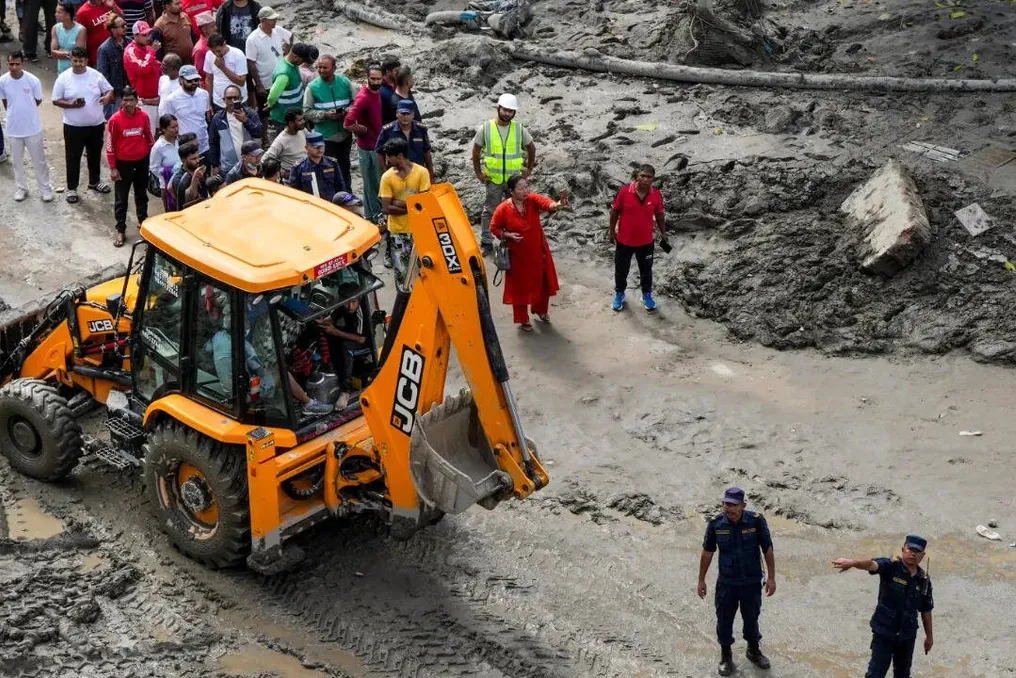
Events related to the sudden glacial lake outburst flood (GLOF) disaster in Nepal on Wednesday have once again raised questions about India's strategy and preparedness to mitigate similar risks, given the presence of about 200 high-risk glacial lakes in the Himalayan region.

According to a government study, up to 7500 glacial lakes are located in the Himalayan ranges, with 10% of them being only in Sikkim. Mapping has shown that there are over 4700 glacial lakes in the Ganges river basin, from its source to the foothills of the Himalayas, covering a catchment area of nearly 2.5 lakh sq km; among these, the 25 most dangerous lakes are located in Sikkim.

India has already faced one of the most serious GLOF disasters recently: on October 3, 2023, glacial rock measuring 14.7 cubic meters collapsed in South Lhonak Lake in Sikkim. This led to the formation of a '20m displacement wave,' which destroyed several hydropower facilities and settlements downstream.

In response, the Central Government established a high-level committee for reducing GLOF disaster risks. This initiative, headed by Chief Secretary P.K. Mishra, was tasked with conducting inter-departmental discussions and surveys of such lakes to identify the most dangerous ones. Furthermore, the Centre allocated 150 crore rupees for the National GLOF Risk Reduction Programme for four Himalayan states with high-risk glacial lakes.

The first meeting of the risk reduction coordination committee was held in November 2024, when the Chief Secretary of the Prime Minister expressed satisfaction with the group's 'three-pronged approach—assessment, monitoring, and mitigation.' The committee regularly held meetings and received feedback, which was then integrated into a joint strategy between the states and the Centre. However, little is known about further steps.

Previously, the government stated that inter-departmental expeditions were being conducted to assess all Category A lakes, involving scientists and officials from NDMA, the Central Water Commission, the Geological Survey of India, the Centre for Advanced Computing, the Indo-Tibetan Border Police, and the Army. The 150 crore rupees allocated by the Centre were used for mitigation measures in five lakes in Sikkim and other locations.

Previous attempts to reduce GLOF risks, such as installing two solar automated weather stations with dual cameras (AWS) in South Lhonak and Shako Cho in Sikkim, proved not very effective. These stations were supposed to transmit vital data to authorities and function as an early warning system. Currently, the Centre is preparing a 'Risk Reduction Programme that includes the installation of solar AWS and Early Warning Systems (EWS) on all high-risk glacial lakes.'

>

Popular