Spring in the Overberg is traditionally associated with bright shades of yellow, pink, and purple, offering numerous routes through blooming fields and roads drenched in color. However, the Overberg is not solely a place for observing spring blossoms.
It is recommended to choose a longer route through the Overberg, following roads from fruit farms to ancient villages. During such trips, one should stop wherever something seems worthy of attention. Spring is an ideal time for such journeys, as days grow longer, the countryside awakens after winter, and southern grey whales return along the coast.
The route offers many reasons to linger longer. From Cape Town, proceed to the Elgin Valley. Here, the landscape noticeably changes from urban development to agricultural land. The Elgin Valley is a fruit-growing region, and in spring, apple and pear orchards bloom, making this valley the first stop on the journey. One can enjoy a leisurely breakfast or just a cup of hot coffee, and then explore farmer's stalls and grocery shops. The Peregrine Farm Stall remains a popular spot for buying local produce, homemade bread, and pastries.
If time permits, it is worth visiting the Elgin Railway Market. This market, located in a former apple warehouse, brings together food, drinks, handicrafts, and local producers under an old industrial roof. On Friday evening, one could stay somewhere in the Elgin Valley, perhaps on a farm or surrounded by the countryside, to feel a sense of freedom and adventure.
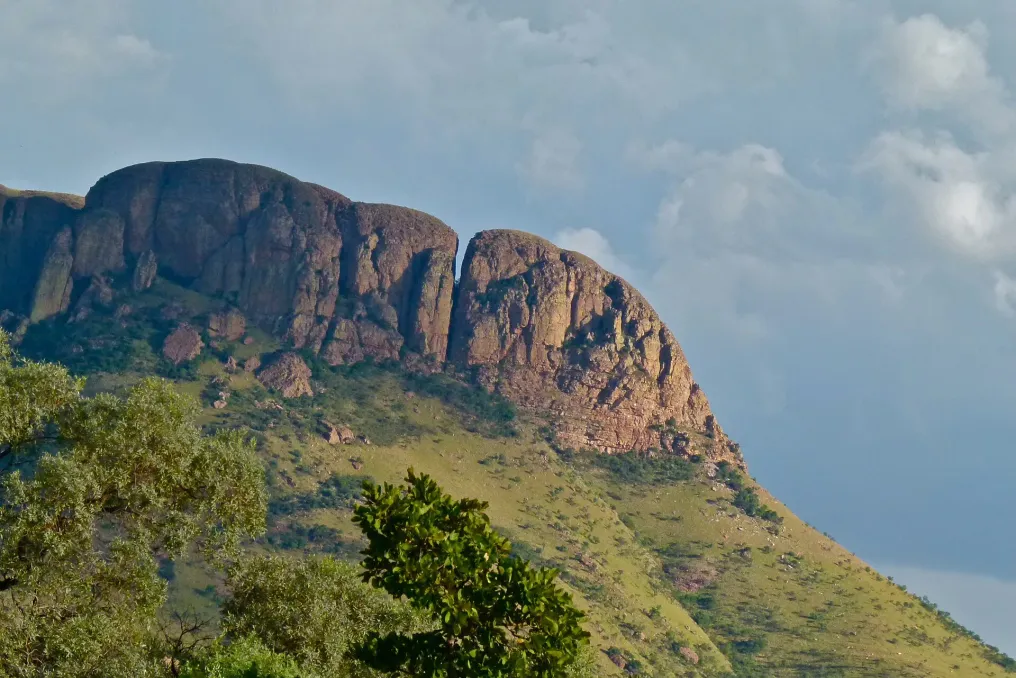
Spring encourages staying outdoors longer, whether it's lunch, a farm walk, or long hours with a local drink. Next, one can head to Graaff-Reinet. This village is situated beneath the Riviersoonderend mountains and is characterized by a change in the pace of life immediately upon arrival. Tree-lined streets, historic buildings, and flowing rivers invite leisurely strolls rather than sightseeing.
In Graaff-Reinet, both easy walks and more challenging mountain trails are available, offering views of mountains and rivers. For a more ambitious hike, the Boesmanskloof trail is suitable, starting in Graaff-Reinet and passing through a dramatic gorge towards McGregor. This 14 km one-way route is usually planned as an overnight stay, so it is better postponed for a future trip. For those who wish to move slower, Graaff-Reinet is also suitable: one can wander through the town, have coffee, browse small shops, and find lunch, dedicating an hour or two without any plans.
From Graaff-Reinet, the journey continues to Stanford. Stanford is only 23 km from Hermanus but feels like a completely different world compared to the busier coastal town. This town can be explored on foot; if arriving on a Saturday, be sure to visit the morning market. The Saturday market at Stanford runs from 09:00 to 12:00 and offers fresh produce, artisanal baked goods, homemade cheeses, and other local food. Such a market is ideal for a road trip, as it allows planning the rest of the day based on the items found.
Stanford offers river cruises, kayaking, hiking, mountain biking, and historical tours, providing many opportunities for active recreation. If relaxation is desired, the village is perfect for doing almost nothing. By the end of the day, one can start moving towards Hermanus, where the character of the trip changes: agricultural landscapes give way to coastal views.
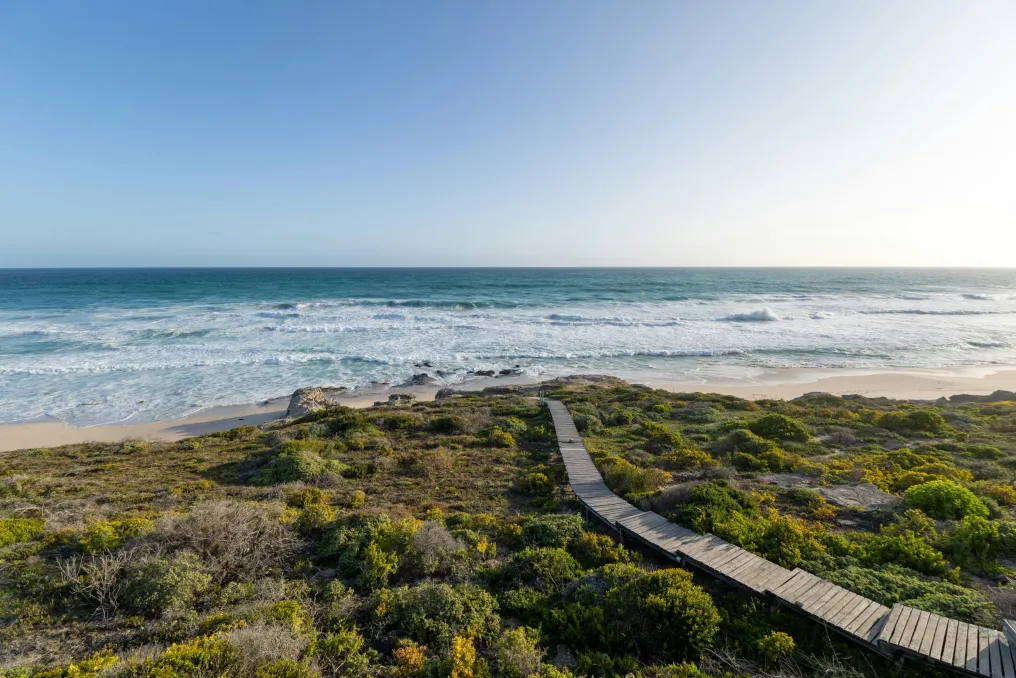
Spring brings one of the largest seasonal events in the Overberg—the return of southern grey whales to Walker Bay between June and November for mating and calving, with September, October, and November considered the best months for observation. A boat is not necessary to witness this grand spectacle. The Hermanus Cliff Path stretches approximately 12 km along the coast and provides viewpoints overlooking Walker Bay. Depending on weather conditions, whales can sometimes be seen very close to shore. A walk along part of the trail at sunset with attentive observation of the water might lead to witnessing a whale breaching the surface.
There is something wonderfully pleasant about ending the day with a hike without a guarantee of seeing anything: one might spot a whale, see dolphins, or simply stand over the ocean, watching the light dance in the sky and slowly fade. Before leaving, it is worthwhile to take time to explore the natural landscape and the local community. Fernkloof Nature Reserve is worth visiting if one wishes to replace the coastal view with mountain scenery. The reserve hosts an exceptional diversity of fynbos, with 1474 registered plant species, as well as animals including the grey rock hyrax, Cape ground squirrel, klipspringer, baboon, and dassie. The reserve also offers opportunities for hiking and walks, and this is where the journey gains meaning. Although spring is noticeable here, one does not need to be a botanist, photographer, or flower enthusiast to enjoy the beauty of nature; one just needs to walk and appreciate the magnificent landscape.
If you don't mind extending the weekend, you can head east towards Cape Agulhas in the Overberg instead of returning directly to Cape Town. De Mond Nature Reserve is located at the mouth of the Heuningnes River and offers a completely different coastal experience—it is a protected coastal landscape where the river, dunes, and ocean meet. Alternatively, one can continue to the Agulhas National Park and make the southernmost tip of Africa the final chapter of their journey. The southern tip of the continent is near the Cape Agulhas lighthouse, and the coastal promenade connects key attractions and viewpoints. Standing there at the end of the trip feels like a fitting Hollywood finale.
There is nothing wrong with traveling to the Overberg for the flowers; they are magnificent in themselves, but it is not the only reason to visit. Spring signifies a feeling of new beginnings, and nature reminds us how amazing it is. Days have grown longer, the weather has prompted us outdoors, and nature is beginning to come alive again. This allows one to stop at a farmer's stall, try something new, walk through a village and get to know its culture, go mountain hiking under the warm sun again, or simply spend an hour looking at the ocean while waiting for a whale to surface. Perhaps you will discover the Overberg in a completely new way.