In the world of cricket, some matches remain unforgettable not because of the sporting moments, but due to sudden bursts of emotion that sweep over the field. The Tulip Cup demonstrated such a scene 35 years ago in Jamshedpur. In the 1991 final, anger reached a point where the stumps became the target. Now, in the 2026 final in Chennai, a similar moment occurred again: the tense atmosphere between 15-year-old Vaibhav Suryavanshi and South Region captain Tilak Verma attracted the attention of all spectators.
There is a gap of 35 years between these two events. On one hand, it was the most scandalous incident in the history of Indian domestic cricket; on the other, it was a brief moment of passion between two young and prominent players of the new generation. However, both cases share one question: how high can the temperature rise on the field when the Tulip Cup match ceases to be just a battle of bat and ball?
When the East Region started its innings in Chepauk, all eyes were fixed on Vaibhav Suryavanshi. He is only 15 years old, yet he played as if he had been performing on a big arena for many years. His opponent was Mohammed Siraj, a recognized fast bowler in Indian cricket. But Vaibhav paid no attention to his age; he focused on the ball. He aggressively attacked Siraj, hitting a four, a six, and another four in just one over at the start of the final, showing that he came not just to gain experience.
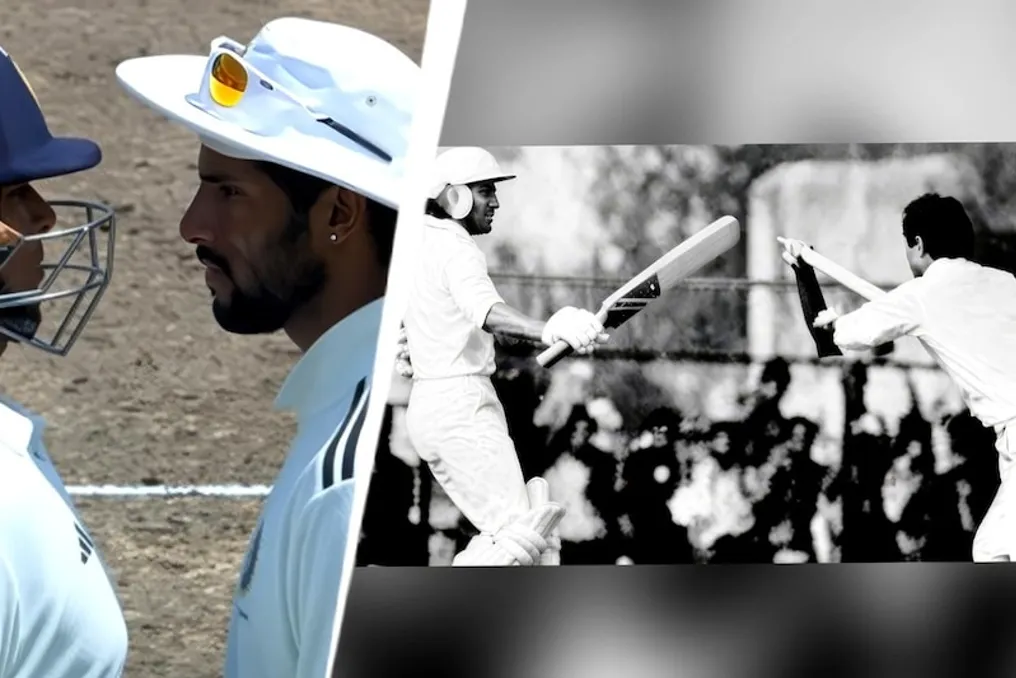
Later, another interesting scene unfolded on the field. South Region captain Tilak Verma approached Vaibhav. They were having a conversation. Cameras captured this moment, and it quickly became one of the most discussed events of the final. Some reports described it as a heated exchange of remarks, while others interpreted it as light teasing or a casual chat.
However, the real intrigue of this scene lay not so much in the words as in the difference in age and status of the participants. On one side—15-year-old Vaibhav, and on the other—Tilak Verma, who had already made a name for himself in Indian cricket. This picture reminded one of another story from the Tulip Cup, which happened 35 years ago.
The last day of the five-day final, held at the Keenan Stadium in Jamshedpur between the North and West Regions, turned into a dark day in the history of Indian domestic cricket. The West Region team, represented by Rashid Patel, went ahead to attack the stumps of the North Region batsman, Raman Lamba. Lamba himself tried to defend. Everyone present at the stadium was stunned by what was happening.
It was the fifth and final day of the match. The North Region's victory was predetermined based on the first innings. The North Region team, led by Kapil Dev, scored an impressive 729/9 runs and declared their innings. In response, the West Region team, led by Ravi Shastri, was bowled out for 561 runs. Thus, four days passed for these large scores. On the last day, the North Region began its second innings with remaining time. But what happened in the tenth over was not good.
The start of the North Region's second innings was made by Ajay Jadeja and Raman Lamba, who scored 180 runs in the first innings. Both played very well. The score reached 59/0 after 9.5 overs. Rashid Patel bowled around the wicket in anger, directing them into a dangerous zone for Lamba. At this moment, Lamba showed the handle of his bat, expressing his dissatisfaction.
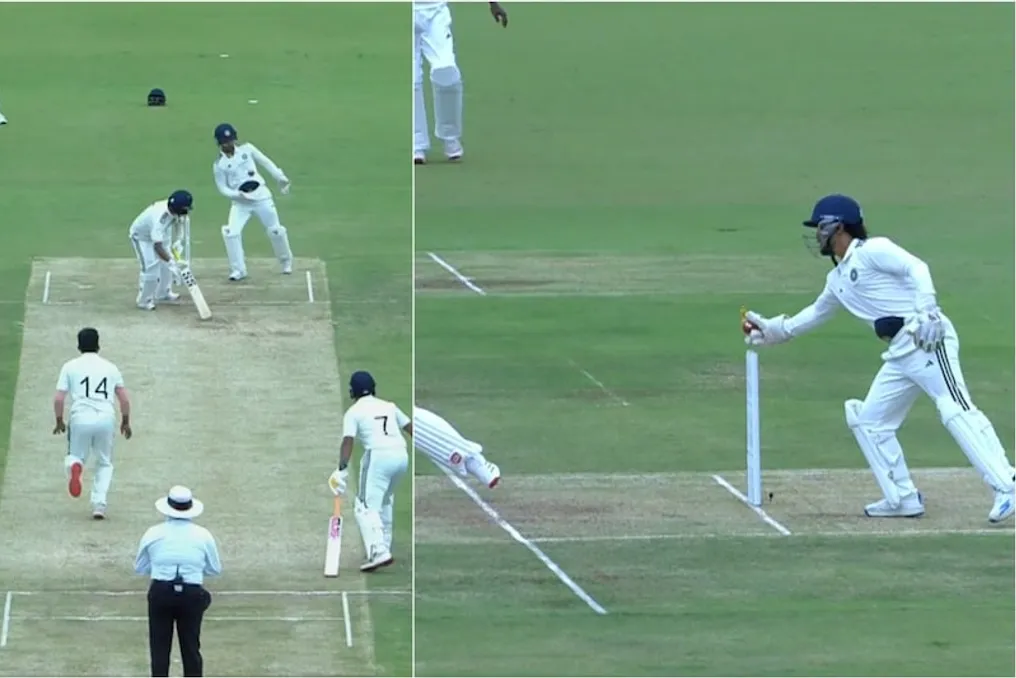
Then Rashid lost control and threw the ball at Lamba almost halfway down the field. Lamba's head barely avoided being hit. Rashid did not stop. He turned, snatched the stumps, and ran after Lamba, trying to strike him while he ran towards the boundary line. At this time, Lamba was trying to defend himself. Eventually, the confrontation ended.
Spectators, seeing this scene on the field, became excited and started throwing stones. Vinod Kambli, who was fielding near the boundary, was injured. After this, all players were isolated in the dressing room. Inside, the winners were presented with the trophy. Ultimately, Rashid Patel was given a 13-month ban. Lamba also faced this and received a 10-month ban.
Raman Lamba's era often witnessed player anger on the field. Today, cricket is much more professional, but the thirst for rivalry remains the same. The only difference is that Vaibhav still has his entire career ahead of him. Lamba's story reminds us that in cricket, skill and aggression are not everything; self-control is also important. Vaibhav's challenge is not just about hitting sixes against bowlers or holding his ground among senior players. The real challenge is coping with growing status, increased attention, and field pressure.
Unfortunately, Raman Lamba's story ended tragically. In 1998, during a club cricket match in Bangladesh, while fielding on the short leg side, he...
_