According to the United Nations report, the most optimistic scenario suggests reaching a peak global temperature of approximately 1.8°C above pre-industrial levels, while other scenarios predict higher peaks.
President Cyril Ramaphosa warned earlier this year that South Africa is already feeling the effects of climate change, and these impacts will intensify as global temperatures rise. This warning became particularly relevant following the publication of the new report by the United Nations Environment Programme (UNEP), which indicates a high probability of exceeding the 1.5°C global warming threshold in the coming years.
The report, released on September 2, states that when the temperature rises above 1.5°C, climate risks and their consequences increase with every additional fraction of a degree and every year spent at elevated temperatures. Among the consequences noted are the increasing frequency of extreme weather events, damage to ecosystems, threats to food security and water supply, as well as growing risks to human health, infrastructure, and the economy.
South Africa is Already Feeling the Impact
Speaking at a special meeting of the Presidential Climate Commission in February, Ramaphosa stated that South Africa is already facing the effects of climate change. He added that these effects are projected to begin increasing rapidly by the end of the current decade and beyond.
Ramaphosa emphasized the need to adapt the country's development and infrastructure to climate change while strengthening disaster management and resilience capabilities. This means that the consequences of a warmer world will be felt not only through changes in temperature but also through the pressure these changes exert on agriculture, water resources, infrastructure, and communities.
Heat Stress and Water Scarcity
One of the most obvious immediate concerns is the combination of higher temperatures and unreliable rainfall patterns. According to a statement from the Department of Agriculture dated September 2, based on the August 2026 Climate Monitoring Season of the South African Weather Service, El Niño conditions are expected to persist throughout the 2026/27 summer season.
The Department noted that the forecast shows many areas will face insufficient rainfall during the summer. In South Africa, El Niño is typically associated with low rainfall combined with high temperatures. For farmers, this combination can have serious consequences.
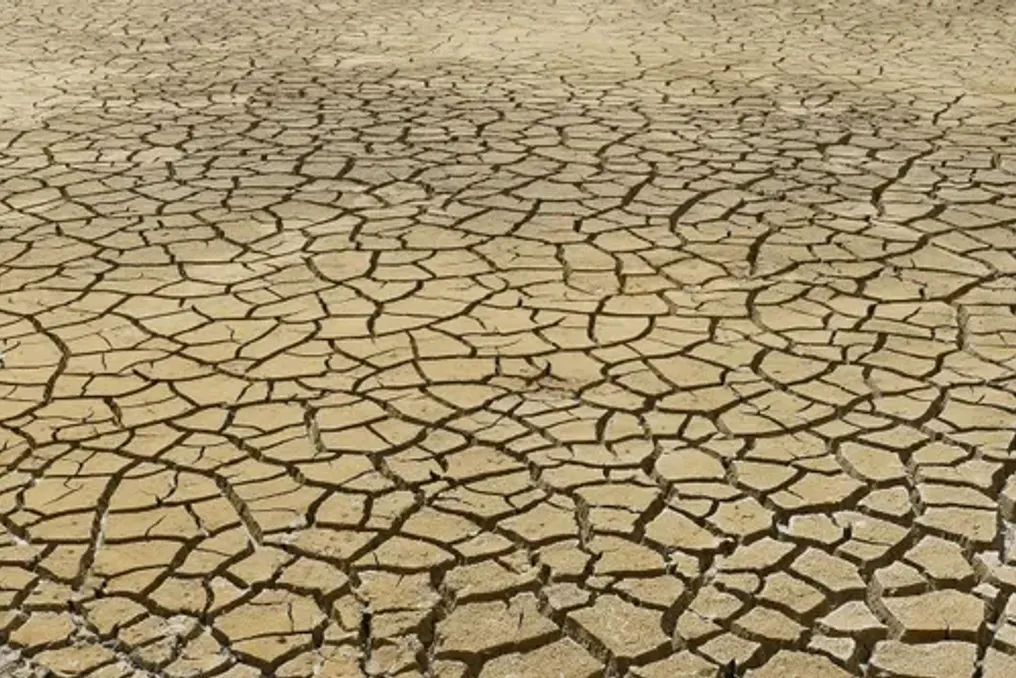
The Department of Agriculture warned that insufficient rainfall and high temperatures can lead to drought and heat stress, contributing to livestock death and crop failure. Low rainfall can also cause water restrictions, affecting irrigation farmers. It is important to note that the current El Niño conditions are not necessarily caused by the UNEP warming scenario; they merely indicate that the combined pressure of heat and precipitation can place an additional burden on sectors already vulnerable to climate variability.
Risks to Food Production Are Growing
Agriculture is particularly vulnerable, as farmers depend on adequate rainfall, soil moisture, and manageable temperatures. The Department of Agriculture is already advising farmers to retain soil moisture, adopt climate-smart farming methods, and select varieties capable of withstanding dry and hot conditions. It has also strongly urged livestock farmers to avoid overgrazing and manage pastures carefully during droughts.
The UNEP warning implies that these problems are exacerbated by global warming. The latest UNEP report asserts that risks to food security and water supply intensify with every additional fraction of a degree above 1.5°C.
Extreme Weather and Infrastructure
South Africa's vulnerability extends beyond just agriculture. Ramaphosa stated that the country needs to make its infrastructure climate-resilient and strengthen emergency management capabilities as the impacts of climate change intensify. This is especially crucial because UNEP warns that rising temperatures will lead to increasingly severe climatic impacts, including extreme weather events and damage to cities and infrastructure.
For South Africa, this means that roads, bridges, water supply systems, settlements, and other infrastructure must be designed and maintained taking into account increased climate risks.
It's Not Just About Getting Hotter
The 1.5°C threshold is often misunderstood as simply a 1.5°C temperature increase in South Africa. However, this is not what the UNEP report means. The figure of 1.5°C refers to the global average temperature compared to the pre-industrial period. Different regions and locations may experience substantially different changes.
The main issue is that a warmer global climate alters the conditions for heatwaves, droughts, heavy rains, and other hazards. UNEP states that climate impacts intensify above 1.5°C and can accumulate over time.
Nevertheless, the UNEP report does not claim that crossing the 1.5°C mark means losing the battle against climate change. Instead, it insists that the priority should be minimizing the duration of any period where temperatures exceed 1.5°C. The report describes a 'overshoot, peak, and decline' trajectory, where global temperatures rise above 1.5°C, reach a peak, and then decline back toward or even below this threshold.
UNEP argues that the lower the peak and the shorter the overshoot period, the lower the risks to populations, economies, and ecosystems. UNEP Executive Director Inger Andersen stated that there are 'no good outcomes' to maintaining temperatures above 1.5°C and called on countries to accelerate emissions reductions while strengthening resilience and adaptation.
What This Means for South Africa
Therefore, South Africa must continue to reduce greenhouse gas emissions contributing to global warming while simultaneously preparing for the climate impacts that are already occurring. This requires building more resilient infrastructure, enhancing disaster preparedness, improving early warning systems, implementing climate-smart agriculture, and carefully managing scarce water resources.
Ramaphosa's warning from February indicates that South Africa must reduce emissions while preparing for the changing climate. Given that the Department of Agriculture is now warning about the combination of insufficient rainfall, high temperatures, drought, and heat stress in the 2026/27 summer season, some consequences of a warmer and more variable climate are already being felt on the ground.