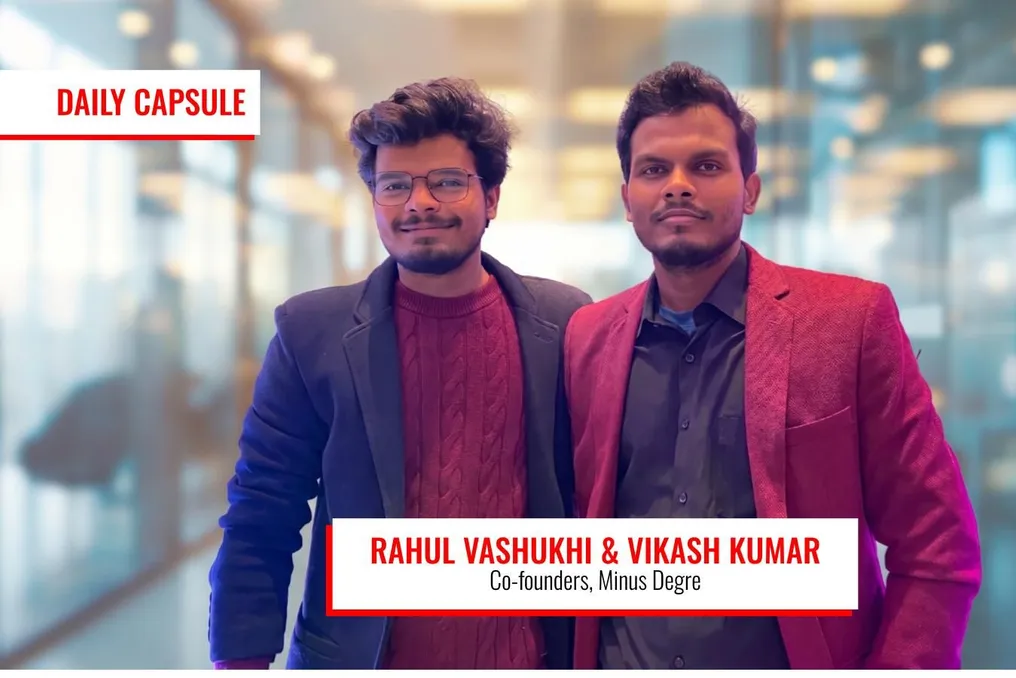
Indian ingenuity demonstrates the ability to transform everyday difficulties into smart and sustainable solutions through six domestic developments. These innovations cover a wide range of issues, including waste management, pollution control, and enhanced mobility, among others.
At an SMS hospital in Jaipur, orthopedist P. K. Sethi and craftsman Ram Chandra Sharma created a flexible prosthesis designed with consideration for the walking, working, and sitting habits of Indians. This prosthesis, named Jaipur Foot, functions in three planes, helping amputees navigate uneven terrain, as well as squat and sit cross-legged. The technology was later transferred from India to users worldwide through BMVSS.
IIT Delhi graduates Arpit Duhar, Kushagra Sirishtava, and Prateek Sachan patented a device that captures soot from diesel generators, preventing it from entering the atmosphere. The Chakr Shield device is capable of capturing 70–90% of solid particles from generator exhaust. Subsequently, Chakr converts this soot into pigment, which is used to produce ink and paint, thereby turning pollution into a useful resource.
Following the 2001 earthquake in Gujarat, potter-innovator Mansukhbhai Prajapati began developing a refrigerator that could cool food without electricity. MittiCool, made of clay, utilizes the process of water evaporation to lower the internal temperature. It allows for the preservation of fresh vegetables, fruits, and milk, enabling storage where reliable power supply is unavailable.
The company Phool from Kanpur started operations in 2017, utilizing flower waste from temples. Upon discovering a fibrous mat growing on discarded flowers, the team began developing Fleather. Phool ferments crushed flower petals to obtain a biomaterial resembling leather. Waste from flowers such as marigolds, roses, and daisies can be used to create items like wallets, bags, and furniture upholstery.
The startup Aloe E-Cell from Lucknow was registered in 2019. After testing twenty-one biomaterials, its team discovered that aloe vera is suitable for creating a biodegradable primary battery. This AA-format battery with a voltage of 1.5V uses an aloe vera-based electrolyte, holds a patent, and is approved by BIS. In 2023, the Council for Development of Technology India supported its commercialization.
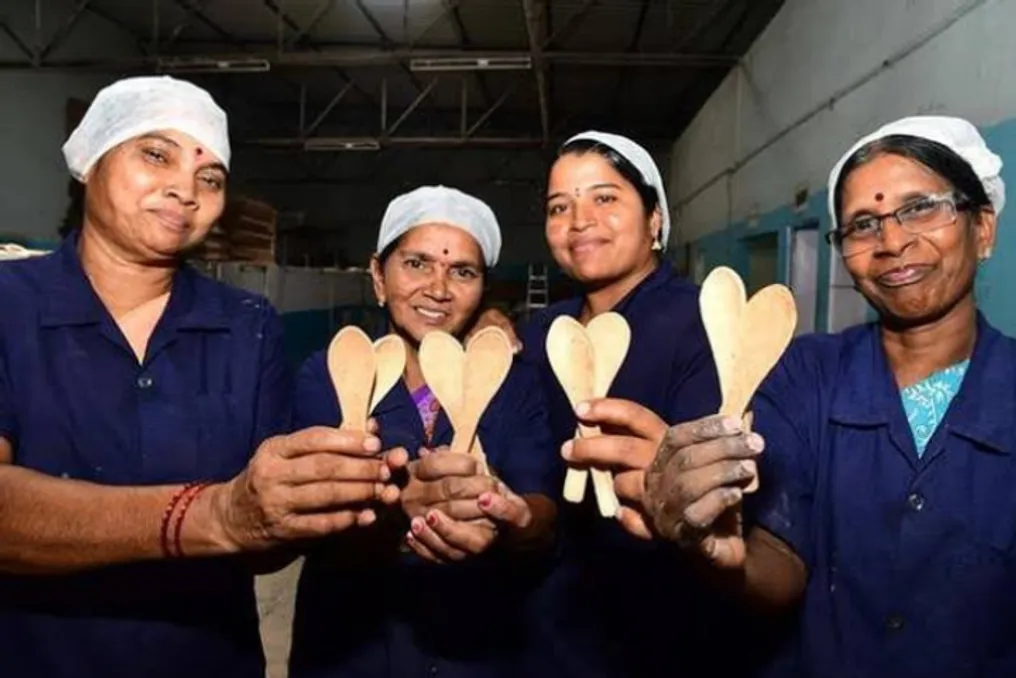
A researcher from Hyderabad, Narayana Peesapati, conceived edible tableware in 2007 to combat plastic waste. After years of testing, he founded Bakeys Foods in 2010. Bakeys produces spoons and other disposable tableware from sorghum, rice, and wheat flour. These baked goods are sturdy enough for hot food and can be eaten after the meal.