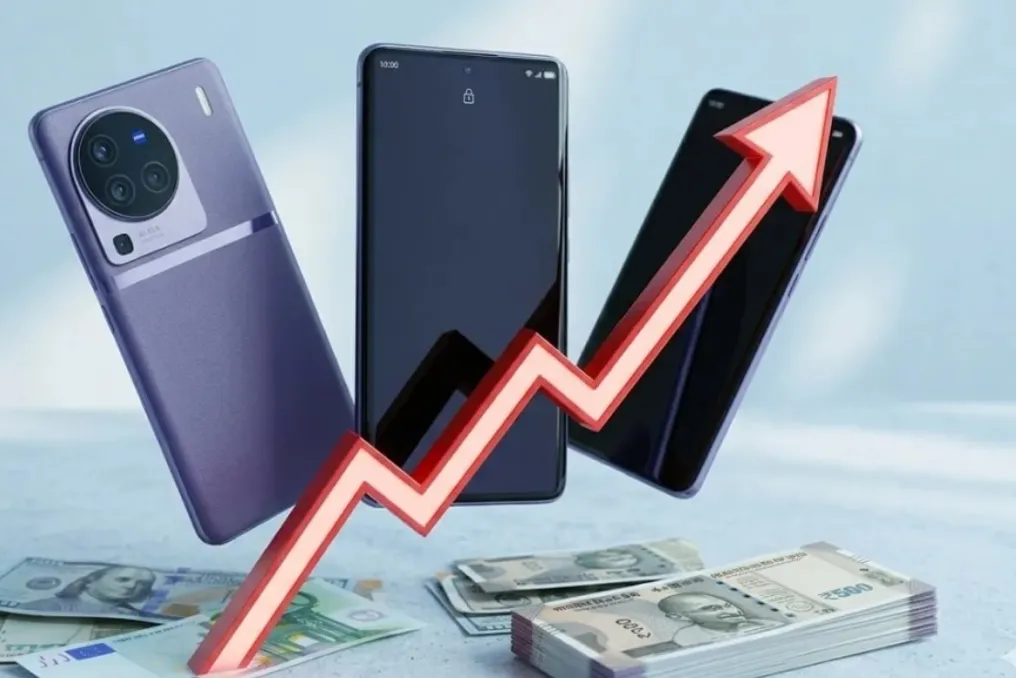
According to a study, the average retail prices for smartphones available on the global market have increased by approximately 15% since the beginning of 2026. Furthermore, over 40% of models have become more expensive, and new gadgets cost, on average, a quarter more than their counterparts from last year.
Regional Differences in Price Growth
The study conducted by Counterpoint revealed that the most significant price increases were observed in markets where consumers are highly sensitive to the cost of technology. The average growth in India was 21%, and in the Asia-Pacific region, it was 19%. Prices rose by 18% in the Middle East and Africa, while Latin America saw an increase of 16%.
Conversely, in markets with a large number of high-end devices, the price increase was more modest: they rose by 10% in China, 7% in Europe, and 5% in the US. In these regions, the price hike mainly affected new models, while the cost of existing devices changed slightly.
Reasons for Price Increases and Market Reaction
The main reason for the rise in smartphone prices is the increased cost of components, including memory. In response, manufacturers are trying to stabilize prices by altering device specifications: they are reducing the amount of built-in memory, decreasing the number of cameras, and in some segments, releasing more models supporting 4G.
The price increase forces buyers to postpone purchasing new smartphones, choose versions with less memory, or turn more frequently to the secondary market. To mitigate the effect of rising prices, operators and retailers are offering various options, such as installment plans and trade-in programs for old devices.
According to Counterpoint Research forecasts, the trend of increasing prices for new smartphones will continue in the coming quarters. Memory shortages and the high cost of components are expected to continue putting pressure on manufacturers and their profitability.
Additionally, it was previously reported that Chinese manufacturers of polarizing films, which control over 70% of the global market, may raise prices by 10% due to rising raw material and logistics costs. This shortage of components is expected to last at least until 2027.