Cuba stated that the financial impact of the US embargo has reached a record level, representing a 7% increase compared to the previous year, excluding the oil blockade in effect since January.
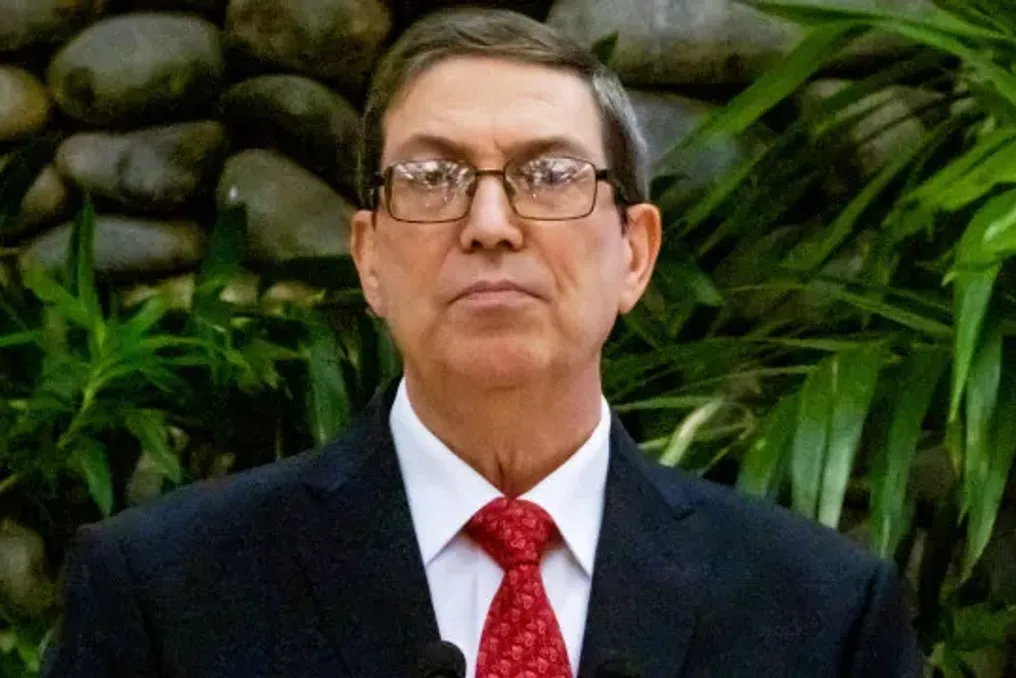
During a press conference to present the annual report on the consequences of the embargo for the Caribbean island's economy, the minister clarified that these figures do not account for the losses resulting from the 'energy siege' active since the end of January, nor the 'damages caused by secondary sanctions' implemented starting in May.
Since the end of January, the US administration, led by Donald Trump, has threatened to impose customs tariffs on any nation that supplies oil to Cuba, which effectively establishes an oil blockade; since then, only one Russian tanker has arrived in the country.
Additionally, starting in May, Washington began applying a system of 'secondary sanctions' against foreign companies that maintain collaboration with Cuba.
These threats have led to the withdrawal of several international companies from Cuba, particularly affecting the tourism and mining sectors, which are important sources of foreign currency for the island's population, which numbers 9.4 million inhabitants.
The head of Cuban diplomacy stated that 'the blockade does not punish a government. It punishes the daily life of a people in all areas.'
One consequence of the persistent energy crisis, marked by power outages that can last up to 60 consecutive hours, is the increase in the infant mortality rate in the country, which jumped from four per thousand in 2018 to 9.9 per thousand in 2025.
He emphasized, saying that 'They are children, not numbers,' while denouncing a policy he described as 'without bombs, but that kills.'
However, Bruno Rodríguez contested the idea that Cuba faces a humanitarian crisis, emphasizing the 'mobilization' of Cuban citizens to deal with the situation and assuring that Havana maintains contact with the US Department of State, despite the lack of progress in negotiations.