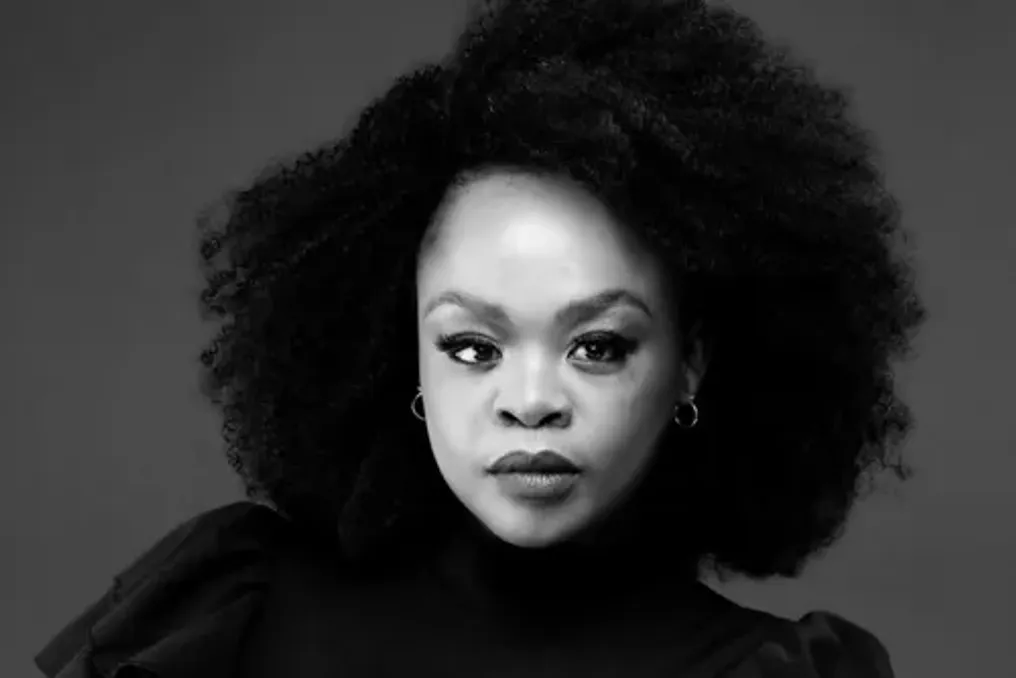
In her memoirs, Cassandra Goodluza draws attention to a form of violence that often remains hidden behind closed doors—violence perpetrated by fathers against their children, contrasting with the traditional focus on gender-based violence in intimate relationships in South Africa.
In her debut book, 'Unfathered: Surviving Paternal Brutality to a Life Reclaimed and Unshamed,' Goodluza explores her own experience of paternal violence. This book, released in observance of Literacy Month in South Africa, chronicles four decades of her life, including a childhood shaped by abuse from her father.
For Goodluza, writing the memoirs meant confronting a painful past she had carried for years and breaking a silence she believes extends beyond individual families.
She notes: 'Silence is not kept only by the perpetrators. We all keep it. People who love us and still ask us to protect someone who hurt us.'
Breaking the Family Silence
Goodluza, who has worked in the media industry for over twenty years, has built a reputation as someone capable of speaking frankly about complex issues. However, in 'Unfathered,' she directs this same honesty toward her own life.
The memoirs recount growing up in a family where the father was a respected lawyer in Soweto, but his behavior at home differed greatly. Goodluza recalls calling the police as a child, only for officers to laugh and converse with him, and also being thrown out of the house at night. These experiences became a secret she kept for decades before deciding to share her story publicly.
When Violence Stays Inside the Home
The decision to publish the memoirs was not met with unanimous approval. Goodluza reports that one of the questions she constantly received from friends and family was whether she was certain about wanting to reveal something so personal. For her, this reaction underscored precisely the silence she sought to challenge with the book.
This question was particularly significant given that many around her supported open discussions about gender-based violence and accountability. Nevertheless, when the alleged aggressor was a member of their own family, Goodluza found the conversation became significantly more difficult.
At the core of 'Unfathered' is an analysis of what Goodluza calls a blind spot in the discussion of gender-based violence in South Africa. While much attention is paid to violence in intimate relationships, violence between parents and children remains difficult to discuss.
Goodluza argues that cultural perceptions of fatherhood can contribute to this silence. She posits: 'Fathers are providers. Fathers are heads of households. What happens in a man's house is his business.'
In her view, such ideas create an environment where violence is hidden, downplayed, or treated as a private family matter rather than an issue requiring confrontation.
Memoirs About Mother Too
Although the book focuses on Goodluza's relationship with her father, it is also dedicated to her mother, Rose Esther Boyama. The thirty-one chapters of the memoir move between Goodluza's childhood in Limpopo, which she describes as a period of warmth and security, and the move to Johannesburg, where her circumstances changed drastically. Years later, the discovery of a devastating family secret further altered her understanding of childhood and family history.
Goodluza portrays her parents differently throughout the book: she writes about her mother with tenderness while directly confronting the father's actions. Instead of offering a simple narrative of forgiveness, the memoirs focus on truth, responsibility, and the process of reclaiming one's own story.
Searching for Language for Survival
The timing of the memoir's release during Literacy Month gave Goodluza's story added significance. While Literacy Month traditionally celebrates reading and writing, 'Unfathered' explores another dimension of literacy: having the language to identify and express personal experiences that may have been suppressed for years.
For Goodluza, articulating her experience in words became part of the recovery process. She states: 'I wrote 'Unfathered' for myself. But I wrote it for every woman who was told to keep a secret that never belonged to her.'
She added: 'Your story belongs to you. Silence protected the wrong people for too long.'
Following the memoir's release, discussions began on social media, where early readers shared their reactions to Goodluza's story and its broader themes. This response showed how many people recognized themselves in an experience that is rarely discussed openly. For Goodluza, this feedback confirms the necessity of complex conversations about violence within the family and how silence allows it to persist.