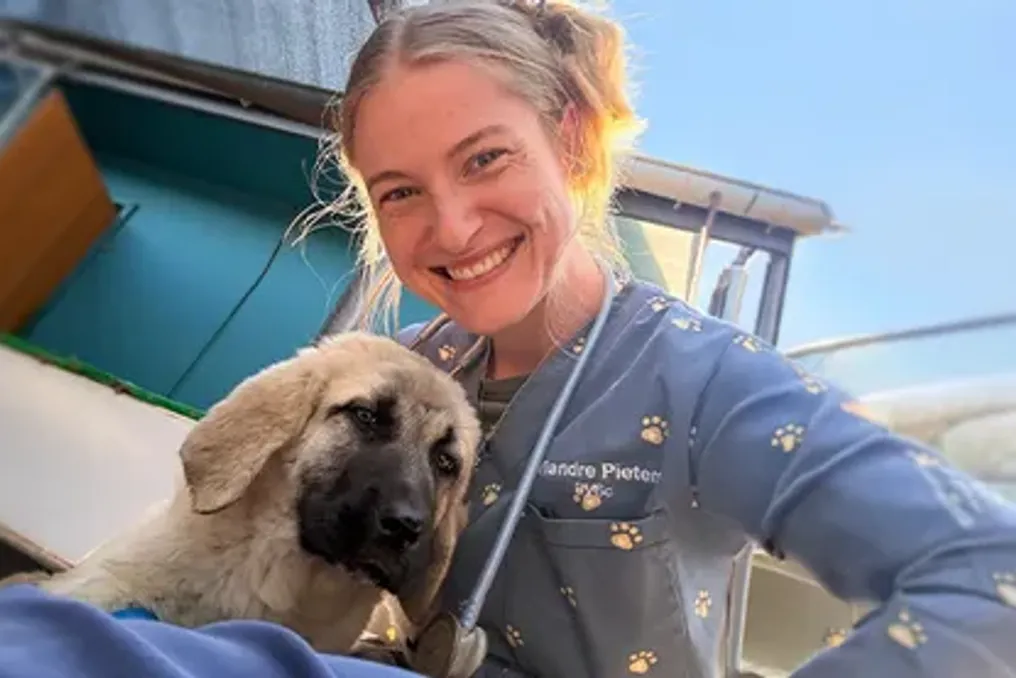
Spring brings pet owners more walks and time outdoors, but rising temperatures are associated with increased exposure to pollen, grass allergens, fleas, and ticks, which can cause seasonal skin problems in pets.
According to Dr. Wiandre Peters of Bloomfield Veterinary Hospital, knowing the signs allows owners to notice seasonal risks before they become more serious.
Why do pets' skin problems worsen in the spring?
Warmer conditions promote the growth of environmental allergens and create an ideal environment for ectoparasites such as ticks and fleas. Fleas can cause a reaction even after a single bite in sensitive animals, and flea eggs are found in carpets and bedding, so staying indoors does not guarantee protection from them.
Therefore, Peters insists on year-round parasite prevention, not just during the warm season.
When can a pet's itching indicate a more serious problem?
Itching can have many causes, and without a veterinarian's consultation, it is difficult to determine the source of the problem. Seasonal allergies can manifest on a specific schedule, intensifying at certain times of the year. Furthermore, environmental allergies can affect paws and the abdomen.
Food allergies are sometimes accompanied by digestive issues such as vomiting, changes in stool consistency, loss of appetite, or excessive gas. Owners should pay attention to any new treats or dietary changes that coincide with the onset of symptoms.
Prolonged itching itself can lead to complications: constant scratching and licking damage the skin's protective barrier, causing increased inflammation and heightened sensitivity of the animal to irritants. Peters advises seeking veterinary care as soon as possible, especially if hot spots, hives, facial swelling, or non-healing wounds are observed.
Veterinarians want owners to be aware of spring allergies and parasites because itching can be caused by more than just pollen.
Can dogs suffer from hay fever?
Some dogs may exhibit signs similar to environmental allergic reactions, including periodic sneezing, tearing, or redness of the eyes. If the dog is otherwise healthy, energetic, and happy, these symptoms may be related to seasonal triggers.
Cough in a kennel differs from this condition; dogs with it may show other signs of malaise, such as decreased appetite or fever. Young, unvaccinated puppies are particularly vulnerable.
If in doubt, a veterinary examination will help determine the cause of the symptoms.
Should an itchy dog be shaved?
This is not always necessary. A veterinarian may recommend bathing with a special medicated shampoo to strengthen the skin barrier and remove allergens from the coat. Although shaving sometimes helps topical treatments penetrate the skin, improper execution can cause irritation. This is especially relevant for double-coated breeds, whose thick fur can trap pollen and other allergens, but they should not be shaved automatically.
Owners should refrain from self-medicating, despite the pet's discomfort and anxiety. Human allergy medications should never be given without veterinary advice.
Through proactive parasite control and attention to changes in the pet's skin condition and behavior, owners can help their beloved companions enjoy the best moments of spring in comfort. Pet insurance, such as Dotsure Pet Insurance, can be part of such a comprehensive approach to seasonal care, helping owners manage veterinary expenses for unexpected illnesses or injuries requiring a clinic visit.