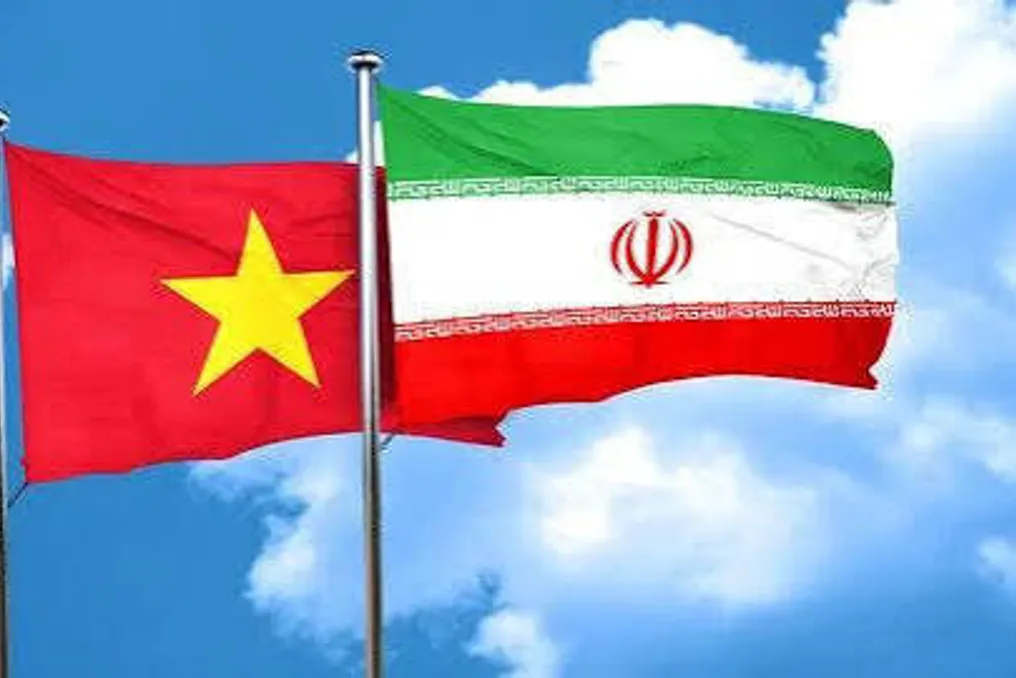
Despite significant potential in petrochemicals, agriculture, and industry, Iran and Vietnam have not yet reached the desired level of trade turnover. Experts note that eliminating financial, logistical, and intermediary obstacles is necessary for substantial growth in bilateral exchanges.
Vietnam has established itself as a major manufacturing and trading hub in Southeast Asia, while Iran possesses strong sectors in minerals, chemicals, petrochemicals, and agriculture capable of meeting the needs of this export-oriented economy. However, sanctions, payment transfer issues, dependence on third countries, high logistics costs, and limited awareness among Iranian businesses of the Vietnamese market hinder the realization of this potential.
According to UN Comtrade data, in 2022, Iran's exports to Vietnam amounted to about $67.84 million, and imports were approximately $38.64 million, totaling around $106.5 million, which is significantly below target figures. Nevertheless, signs of activation are emerging. In March 2026, the Vietnamese ambassador reported that bilateral trade reached about $109 million over eight months. Within these shipments, goods such as rubber, coffee, and tea are being sent to Iran, while petroleum products, IT products, and construction materials are going to Vietnam. He predicted an annual growth rate of 7–10% and hoped for a 50% increase in volume within five years.
Vietnam's total foreign trade in 2025 reached a record $930.05 billion, with exports amounting to $475.04 billion and GDP growth at 8.02%, indicating a much larger market than current figures between Iran and Vietnam suggest.
Mostafa Mousavi, head of the Iran-Vietnam Joint Chamber, reported new requests from Vietnam for the purchase of agricultural products and petrochemical goods, as well as the consideration of barter deals. In some cases, Vietnam has shown a willingness for direct purchases and even offered its vessels for cargo transport.
The key problem remains the indirect nature of most trade, which often passes through third countries, such as the UAE. This leads to increased costs, longer transit times, and higher risks associated with sanctions. Direct trade is considered a crucial factor in increasing competitiveness. Options for barter and alternative financial channels are currently being studied, and Vietnam's preferential trade agreement with the Eurasian Economic Union, which Iran joined in 2023, is being used as an additional access route.
The situation regarding direct air connections is also improving. The Tehran–Ho Chi Minh City route opened on August 31, 2026, and the Tehran–Hanoi route will follow shortly. Trade attaché Mohsen Rezaipur called this a turning point for business trips, investments, and the transportation of expensive, time-sensitive goods, complementing sea freight.
In the agricultural sector, a Vietnamese delegation recently visited apple production and packaging facilities in West Azerbaijan, where quarantine issues have largely been resolved, opening up a new market beyond traditional destinations. In addition to apples, Iran can export dried fruits, processed products, and horticultural products, while Vietnam offers coffee, rice, tea, seafood, and consumer goods.
Petrochemicals remain Iran's main export advantage; some unofficial estimates suggest that chemical exports to Vietnam could reach hundreds of millions of dollars in 2025, although there are discrepancies in the data. Meanwhile, Iran can import electronics, machinery, and rubber products, indicating the achievability of a balanced and diversified trade basket.
Although Iran's share in Vietnam's $930 billion trade landscape remains small, recent steps—direct flights, progress in quarantine, and interest in barter—signal a shift from 'potential' to 'practical pathways.' If stable financial mechanisms, reduced intermediation, and improved logistics take root, Vietnam could become a key market for Iran in Southeast Asia, offering not only sales outlets for petrochemicals and agriculture but also gateways to broader ASEAN supply chains.