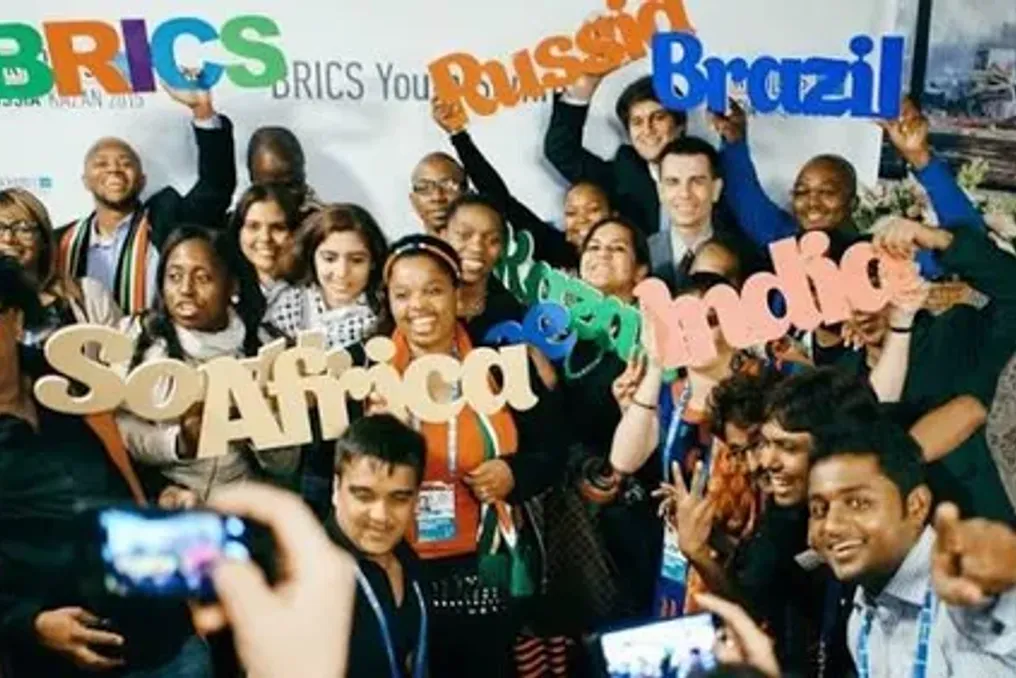
Despite existing opportunities and challenges, BRICS is integrating youth into the core of its innovation strategy, striving to ensure a sustainable future. Modern youth, especially in developed countries, possess numerous opportunities unavailable to previous generations; they are characterized by innovativeness, technical literacy, and entrepreneurial spirit. Similarly, young people in developing and less developed countries demonstrate a high level of innovativeness and digital literacy comparable to their counterparts in developed nations.
Nevertheless, despite these advantages, youth face a number of problems. Social media, artificial intelligence, and the fast pace of modern life lead to feelings of loneliness and alienation. Furthermore, rising unemployment in many states intensifies competition in the labor market, negatively affecting the health and well-being of young people.
The situation is exacerbated in poorer and developing countries, where governments often lack sufficient resources and capabilities to protect vulnerable youth from social and economic pressures. It is against this backdrop that BRICS, a platform aimed at strengthening cooperation between developing and emerging economies of the Global South, is increasingly including youth in its Science, Technology, and Innovation (STI) agenda.
At the 14th meeting of BRICS Ministers of Science, Technology, and Innovation, held under the chairmanship of India in late August, a significant step was taken towards empowering young scientists, researchers, and entrepreneurs within the bloc. At the meeting, which included science ministers from BRICS countries, an initiative was put forward to create an effective, sustainable, and future-oriented system of cooperation in the field of science, technology, and innovation, while emphasizing the critical role of youth in achieving this goal.
India's Minister of Science and Technology, Jitendra Singh, noted in his speech at the closing session that the discussions confirmed the central importance of STI for shaping a more sustainable, inclusive, and environmentally conscious future. He reported that delegates reviewed a wide range of issues, including quantum technologies, high-performance computing, biotechnology, healthcare, climate change, and sustainable development—areas where many of humanity's problems can be solved through joint efforts.
Adopting the Chennai Declaration at the end of the meeting, the ministers approved the creation of the BRICS Youth Startups Platform, emphasizing the need to stimulate funding for early-stage startups as well as for growing companies. Singh stressed that BRICS cooperation in science, technology, and innovation must transition from continuous dialogue to tangible results by strengthening mechanisms for implementing joint projects, creating common platforms, coordinating calls for proposals, and ensuring open access to research infrastructure.
Sindiswa Chikunga, Minister in the Presidency of South Africa responsible for women, youth, and persons with disabilities, supported the call for broader youth participation at the BRICS Youth Ministerial Meeting in Visakhapatnam, southeastern India. She noted that youth worldwide continue to face unemployment, poverty, inequality, skills mismatch, and uneven consequences of technological and economic changes. Chikunga stated that these challenges require deeper interaction among BRICS countries in areas such as skills development, entrepreneurship, innovation, digital transformation, education, and youth leadership.
Chikunga emphasized: 'By investing in youth today, we are investing in the sustainability, prosperity, and viability of our nations tomorrow.' During a bilateral meeting with the UAE Minister of State for Youth, Dr. Sultan bin Saif Al Neyadi, Chikunga noted that this interaction reflects the shared commitment of BRICS countries to placing youth at the center of global development. She added that the current global reality, given that only 12% of the Sustainable Development Goals (SDGs) are on track to be achieved by 2030, is 'unsustainable, undesirable, and unviable,' making their meeting particularly significant.
A key outcome of the Chennai Declaration was the inclusion of several youth-oriented initiatives aimed at strengthening the participation of young people in the BRICS STI program. These include the Youth Startups Platform, which will support companies led by young entrepreneurs in initial and growth stages. Furthermore, the BRICS Startup Innovation Fund aims to stimulate funding for young innovators, and the BRICS Young Scientists Forum will promote cross-border cooperation and exchange of institutional knowledge among young researchers. The BRICS Young Innovator Award is intended to recognize and continuously support breakthrough commercial technologies developed by youth.
A key element of the Chennai Declaration is the call for youth to advance solutions based on 'human-centricity and the priority of humanity' in key areas of science, technology, and innovation. For example, in artificial intelligence and high-performance computing, young innovators are encouraged to develop sovereign algorithms for public services. In quantum technologies, the focus is on promoting secure communication and light-based photonics, while cooperation in biotechnology and healthcare should prioritize combating global health crises and drug-resistant pathogens. In advanced materials, cooperation can focus on developing sustainable industrial resources and nanotechnology, and space technology initiatives can explore combining satellite data for environmental and climate monitoring. Regarding renewable energy, young scientists are called upon to contribute to ensuring a safe and sustainable transition to green energy. In disaster management, the priority must be the development of technology-based resilience protocols for natural disasters.
The emphasis on youth is crucial because young people are not just beneficiaries of technological and economic progress but are increasingly its driving force. For BRICS, recognizing and integrating youth into its STI agenda sends a powerful signal that the next generation will play a significant role in shaping the bloc's future. Youth are the scientists, entrepreneurs, innovators, and leaders of tomorrow. By providing them access to funding, research networks, technologies, and opportunities for cross-border cooperation, BRICS can harness their immense potential, helping to solve some of the most pressing problems of the Global South. Ultimately, investing in youth is not just investing in the future; it is investing in building a more innovative, sustainable, inclusive, and viable world today.