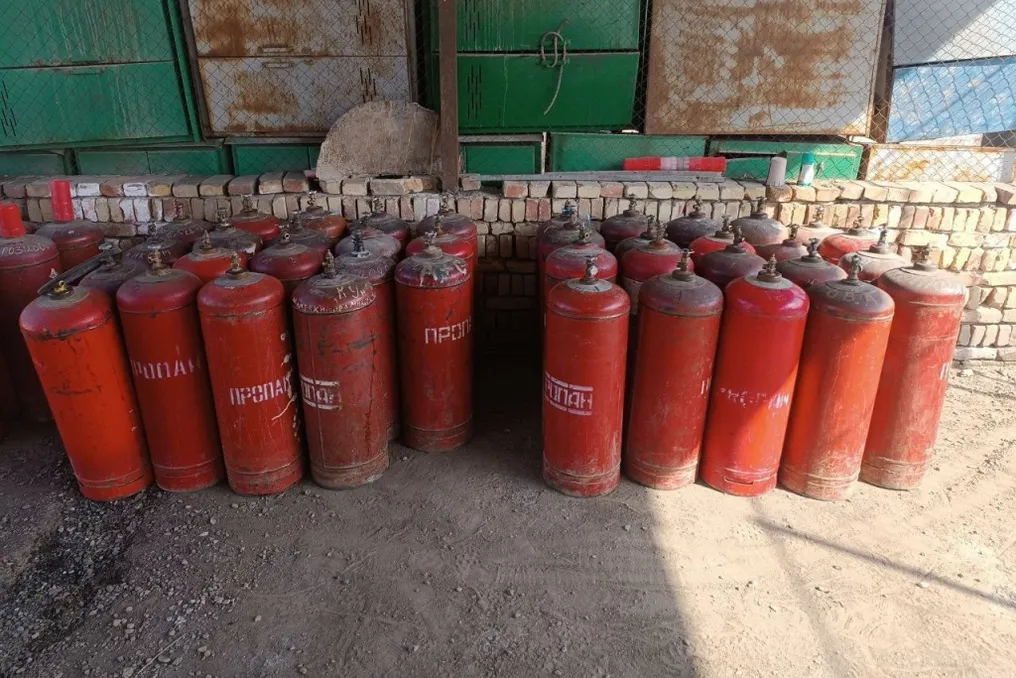
A new company is planned to be established in Uzbekistan that will take on the functions of purchasing and distributing liquefied gas among residents. This initiative is part of a broader supply system reform that also includes transitioning to targeted compensation for vulnerable citizens and involving private operators.
Proposals for modernizing the system were presented to President Shavkat Mirziyoyev on September 7. The main reason for the need for these changes was supply problems: in some regions, gas does not reach consumers on schedule, forcing people to purchase it at gas stations at market prices.
Currently, liquefied gas supplies about 3.8 million consumers and nearly two thousand social institutions in Uzbekistan. A supply of 604.8 thousand tons of fuel is planned for 2026. However, an analysis showed that 22% of consumers receive gas with an interval exceeding 46 days, which could lead to individual families' expenses for additional gas purchases multiplying the cost beyond the established tariffs.
To transform the existing delivery system, it is proposed to establish LLC 'LPG-Trade'. 'Khududgaztaʼminot' will be the founder of this company, and the company itself will purchase gas through the exchange and organize its delivery to the population.
Simultaneously, the mechanism of state support is planned to be transformed. Previously, gas was supplied to the population and social facilities at preferential prices, and the difference between production, import, purchase, and delivery costs was compensated by subsidies, while the need for budgetary assistance increased annually.
Instead of a unified subsidy system, it is proposed to provide compensation for every kilogram of liquefied gas purchased to socially unprotected citizens, which will allow budget support to be directed directly to needy families. For social institutions, it is proposed to set deliveries at exchange prices, and the difference between this price and the price sold to the public will be covered from the republican budget funds.
Pilot Project and New Technologies
The changes will affect not only procurement and financing but also the logistics of delivery itself. A pilot project involving private operators is planned to be launched in the Andijan region. These operators must possess the necessary licenses, permits, and qualified technical specialists. It is expected that at least two operators will provide services to the public, creating a competitive environment.
For end-users, the introduction of a mobile application and online services is planned. Additionally, distribution points will be organized in the region, taking into account the number of consumers and their distance, provided they comply with urban planning norms and fire safety requirements.
If the pilot project proves effective, this experience can be gradually extended to other regions of the country. The President instructed to ensure gas supplies strictly according to the approved schedule, digitize settlements, and ensure transparency in fuel distribution. The task of preventing artificial shortages and unjustified price increases, timely paying compensation to vulnerable citizens, and adhering to all safety standards during storage and transportation was also set.
It is expected that the reform will reduce delivery time, improve the quality of services for the population, and apply state funds in a more targeted and efficient manner. During the meeting, participants also informed the president about the fulfillment of instructions from September 2 regarding the construction of external infrastructure and a satellite city near the integrated nuclear power plant in the Jizzakh region.