As the El Niño phenomenon intensifies, Africa must strengthen its capacity to withstand climate variability. A scientist emphasizes that leaders and local communities need to act immediately to secure harvests, livelihoods, and healthcare systems.
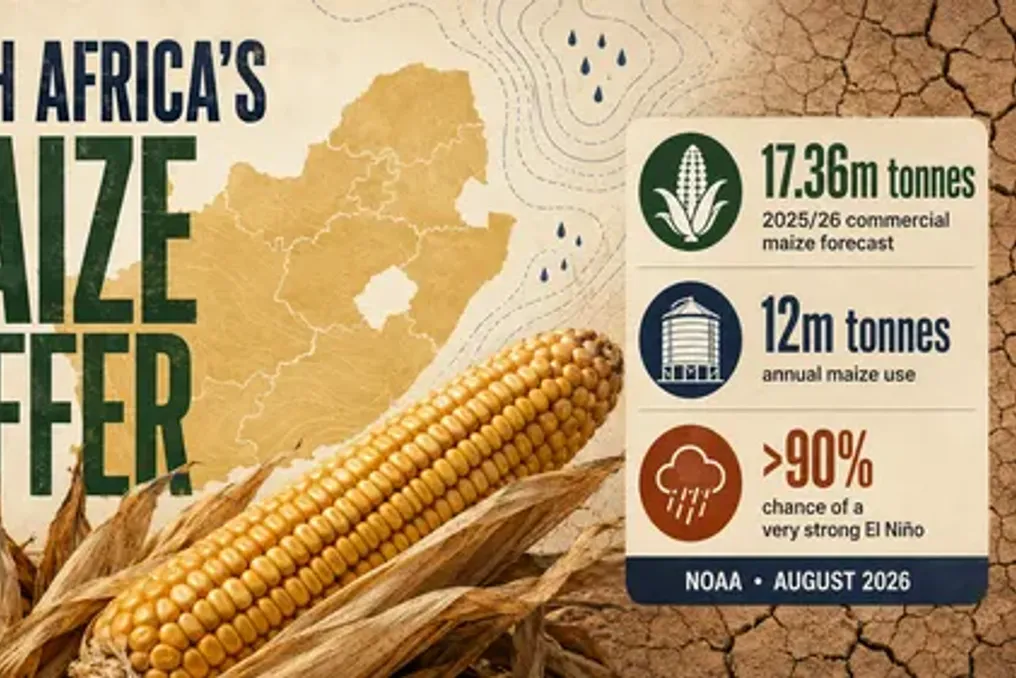
The powerful El Niño phenomenon is gaining strength in the Pacific Ocean, setting the stage for a potentially devastating season on the African continent. According to the latest forecast from the U.S. National Oceanic and Atmospheric Administration (NOAA), there is over a 90% probability that this El Niño will develop into one of the most intense events in history during the autumn and winter of 2026/27 in the Northern Hemisphere.
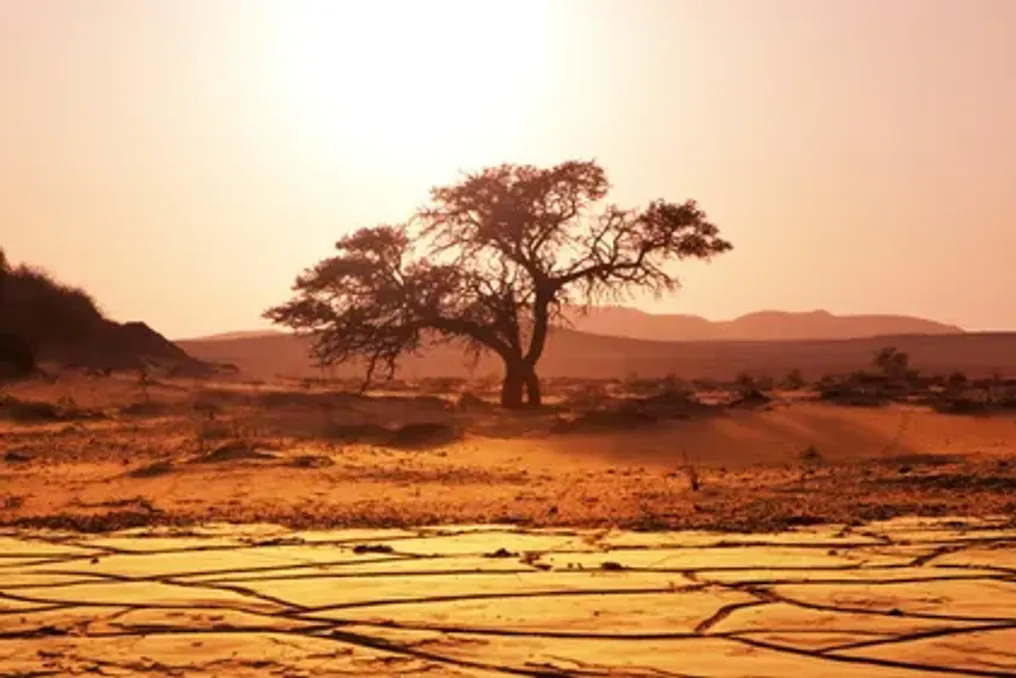
The forecast indicates a 69% chance that this event will exceed the strength of any El Niño recorded since 1950, presenting an alarming scenario for the African continent, which stands at the threshold of a multifaceted climate crisis. Unlike past models, the impact of this phenomenon will be diverse: Southern Africa may face extreme heat and drought, while East Africa could suffer from excessive rainfall and flooding.
Impact on Agriculture and Water Security
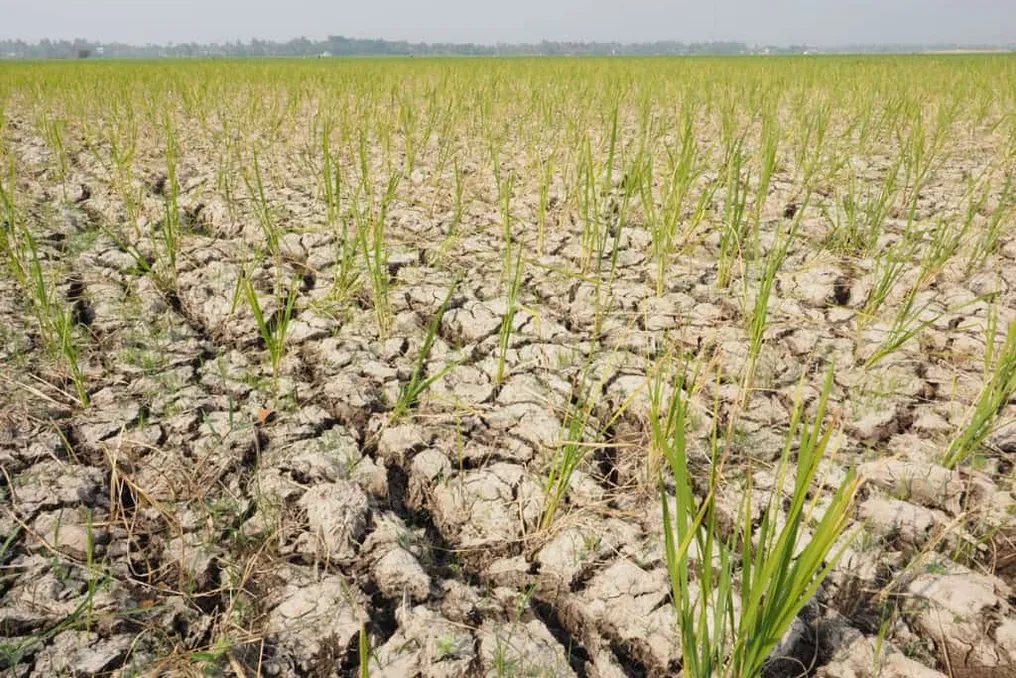
The consequences of this intensifying weather phenomenon could prove particularly devastating for agriculture. Many farmers in Southern Africa may face reduced rainfall and rising temperatures, leading to drought, exacerbating water demand and crop viability issues. This combination is capable of destroying food production during periods of resource scarcity.
The risks are extremely high for smallholder and subsistence farmers. As Havenga warns, 'unlike commercial producers who can obtain insurance, financing, or irrigation, small farmers risk losing both vital food for their households and produce intended for sale.' He adds that 'such a drought can cause both a food and income crisis, disproportionately affecting communities heavily reliant on local harvests and village markets.'
The problems extend beyond agriculture as the risk of water insecurity increases. Hot, dry weather increases demand while water reserves diminish, creating a precarious situation for local residents. Havenga insists that 'local authorities must prioritize maintaining water purification systems to mitigate losses from leaks. Encouraging all users to conserve water is paramount.'
Risks to Health, Energy, and Ecosystems
The consequences of strong El Niño extend far beyond agriculture and water supply; they affect health, energy systems, and ecosystems. Extreme heat increases risks for outdoor workers, vulnerable national health sectors, and populations suffering from chronic diseases.
Furthermore, while drought can degrade drinking water quality and nutrition, floods bring their own dangers, including contamination and increased disease risk. Countries dependent on hydropower may face reduced electricity generation due to lower rainfall, balancing the growing demand for cooling amid rising temperatures.
Natural ecosystems are also not immune to this pressure. Drought can lead to reduced vegetation growth and increased wildfire risk, while animal populations may struggle due to limited resources. Havenga cautions: 'we cannot assume that ecosystems will return to their previous state after a drought,' calling for better management of environmental stress.
Call to Action
Nevertheless, hope is not lost. Africa possesses tools to mitigate the effects of El Niño, partly thanks to advanced forecasting and lessons learned from previous climate-related disasters. The real danger arises if governments and communities fail to take action in anticipation of the coming season.
Farmers are advised to revise their agricultural strategies, using information about impending climate changes to make informed decisions regarding planting schedules and water use. Governments must focus on repairing outdated water infrastructure, activating food security programs, and establishing effective emergency response protocols before the consequences of drought become severe.
Dr. Havenga notes: 'Drought is a slow-developing risk. It may take time before its effects are felt, which underscores the importance of proactive rather than reactive measures.' The preliminary warning from weather experts, ongoing since May, provides a vital opportunity to reduce risks and prepare for potentially difficult seasons ahead. There is an urgent need to utilize existing knowledge and implement preventive measures now, instead of waiting for the full manifestation of the developing climate crisis.