Traffic in Tashkent decreased by 8.2% to 1.35 million vehicles
Read more
UzDaily
uzdaily.uz

Traffic in Tashkent decreased by 8.2% to 1.35 million vehicles

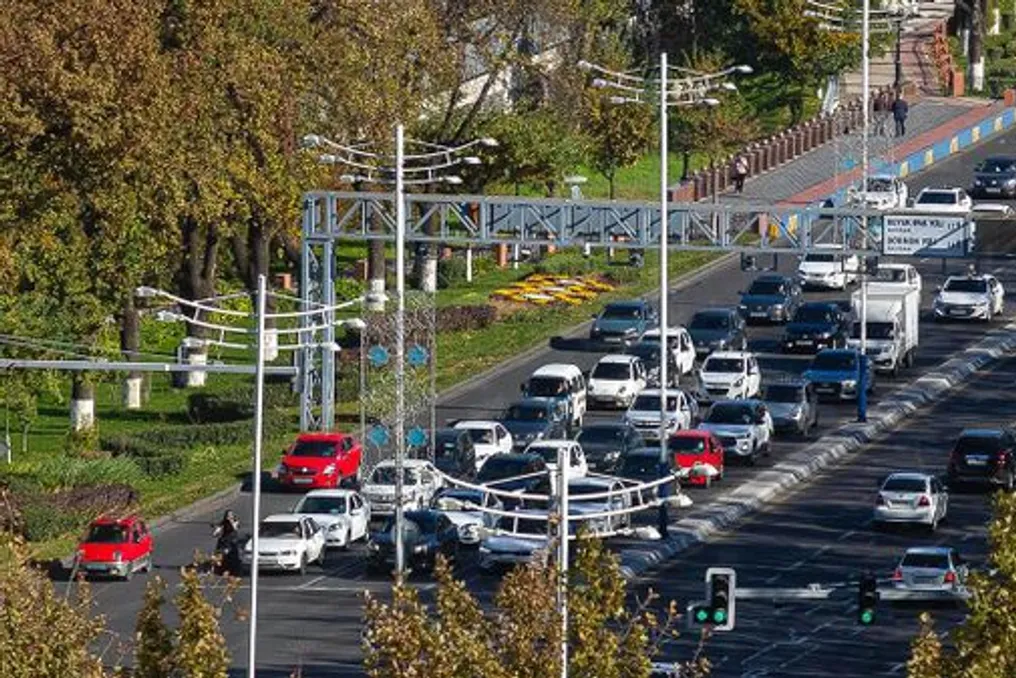
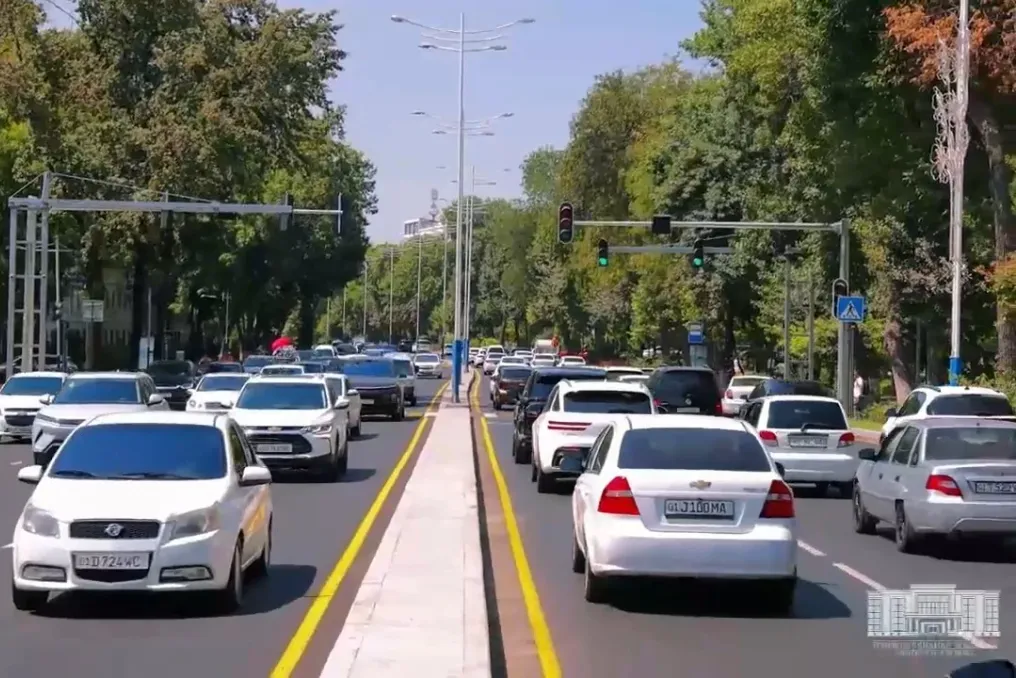
The Tashkent traffic management center reported that on September 6, a total of 1,348,994 vehicles traveled on the capital's roads. This is 120,954 fewer than the previous day.

According to the center's data, the total number of vehicles reached 1,469,948 on September 5. Consequently, the number of cars on the capital's streets decreased by approximately 8.2% on Sunday.

170 routes were used for public transport on that day. A total of 1,363 buses made 19,778 trips, transporting 783,090 passengers. Additionally, the Tashkent metro transported 640,834 passengers during the same 24-hour period.

Meanwhile, road congestion in the capital did not exceed five points throughout the day. The situation was partially complicated by repair works in eight locations: on Bogishamol, Al-Khorezm, Shokirarik, P. Mahmud, Samarkand-Darvoza, and Dilsaroi streets, as well as on narrow streets in the Westminster area and at the intersection of Farokh and Lutfi streets.

The traffic management center advised drivers to take road conditions into account when planning trips in advance and to choose alternative routes if necessary.

As part of monitoring compliance with traffic rules, the Traffic Police Department recorded 12 instances of vehicles driving on pedestrian walkways, 27 parking violations, and 22 stopping violations on September 6. Three other violations were related to the use of lane 'A', designated for public transport.

Drivers were reminded of the need not to stop on or near pedestrian walkways, to yield to pedestrians at marked crossings, not to occupy bus stops, and not to use special lane 'A'. Motorists were also advised not to obstruct buses during boarding or alighting at stops.

Traffic flows and congestion levels in the capital are monitored in real-time at the Situation Center. The collected data is used for operational monitoring of changes in traffic volume and road conditions.
Similar stories

Over 20 traffic accidents recorded in Tashkent in one day; four people injured
Read more
podrobno.uz

Over 20 traffic accidents recorded in Tashkent in one day; four people injured

On September 4, 22 road traffic accidents were registered in Tashkent. As a result of these incidents, four people sustained serious injuries.

According to data from the Center for Road Traffic Organization, 1,502,057 vehicles moved through the city over the past day, and 4,751 violations of traffic rules were identified.

Public transport transported 1,228,158 passengers, while the metro managed to transport 862,053 people. During peak hours, congestion at six intersections reached a level of seven points, and this indicator was exceeded at one of them.

Changes were made to the operation of traffic lights to improve the traffic situation, and the duration of the green light was increased. Traffic police officers were dispatched to areas where problems were observed.

The traffic flow is continuously monitored in real time at the situational center. The measures taken are aimed both at preventing traffic jams and improving overall road safety.

Additionally, an incident occurred the day before yesterday in the Akhangaran district of the Tashkent region: a passenger bus of the Isuzu brand overturned after colliding with a Lacetti car. Three participants in this accident were taken to a medical facility.

Traffic restricted in Tashkent after road section collapse on Glinka Street
Read more
uzdaily.uz

Traffic restricted in Tashkent after road section collapse on Glinka Street

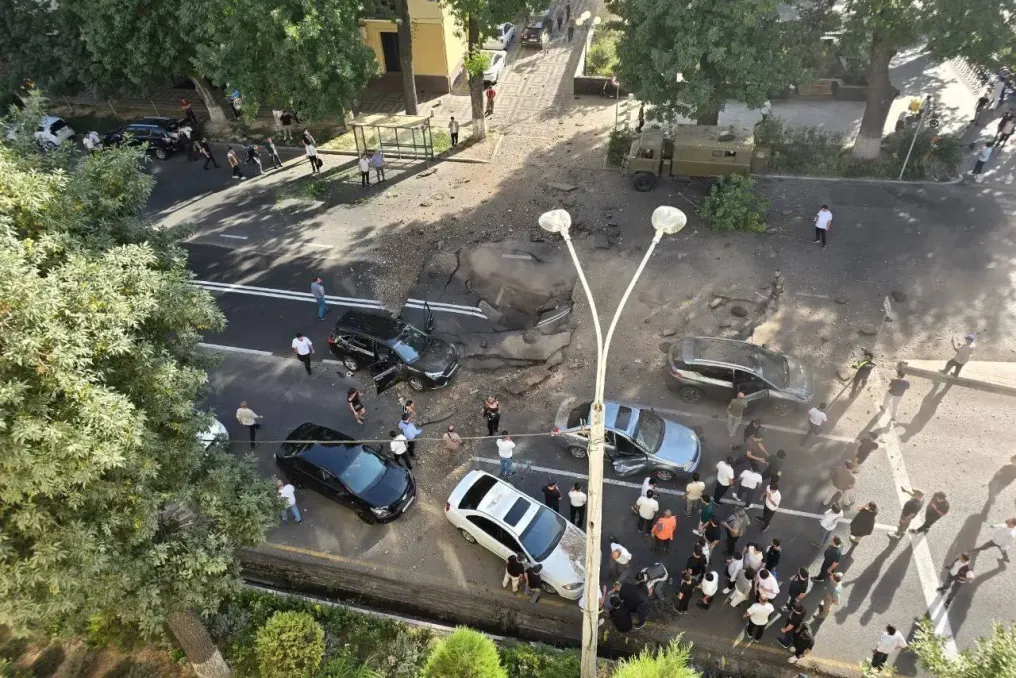
The Tashkent city administration and Veolia Energy Tashkent reported temporary traffic restrictions on Glinka Street in the Yaksaray district of Tashkent. This occurred after the road surface was damaged and a section of the roadway collapsed following a loud noise.

City services have taken the situation under special control. Specialists are working at the scene to determine the cause of the incident, eliminate its consequences, and begin restoration work.

According to eyewitnesses, the collapse may have been caused by damage to a heating pipeline. Employees of Veolia Energy Tashkent promptly dispatched an emergency repair crew and company specialists to the site.

Company employees, together with emergency response services, are clarifying the circumstances and causes of the event. No leaks have been detected so far. As a result of the incident, one person sustained minor injuries and received timely medical assistance.

Drivers are advised to take temporary traffic restrictions into account when planning routes and to use alternative roads if possible. The Tashkent administration stated that all circumstances of the incident are being investigated, and additional information regarding the causes and measures being taken will be provided as verified data becomes available. Veolia Energy Tashkent also specified that detailed information will be disclosed after an operational inspection of the site.

Automobile traffic increased in Tashkent, but congestion did not worsen thanks to management measures
Read more
sputniknews.uz

Automobile traffic increased in Tashkent, but congestion did not worsen thanks to management measures

On the first day of the new academic year, September 2nd, traffic flow in Tashkent increased by 30% compared to a regular workday on August 24th. Nevertheless, the overall level of congestion in the city remained at 6 points, according to the press service of YHTEM.

According to the center's data, despite the increased load, a sharp rise in congestion was avoided. Although the speed of movement decreased on some sections, the overall traffic situation remained stable.

This was made possible by constant monitoring of traffic flow, coordination of relevant services, and prompt adjustment of traffic light phases.

The YHTEM Situations Center monitors the road situation, the functioning of traffic lights, car queues, and public transport movement at key intersections in the capital in real time.

When queues increase, the green signal time is extended in the congested direction, traffic light phases are reconfigured, and the work of neighboring intersections is coordinated.

If congestion occurs due to road traffic accidents (RTAs), vehicle malfunctions, lane closures, or traffic rule violations, the information is transmitted to YHKHB and other specialized services.

Monitoring will continue in an intensified mode in the near future, as further growth in transport load in the capital is expected with the start of classes in OTMs, academic lyceums, and technical colleges.

Popular