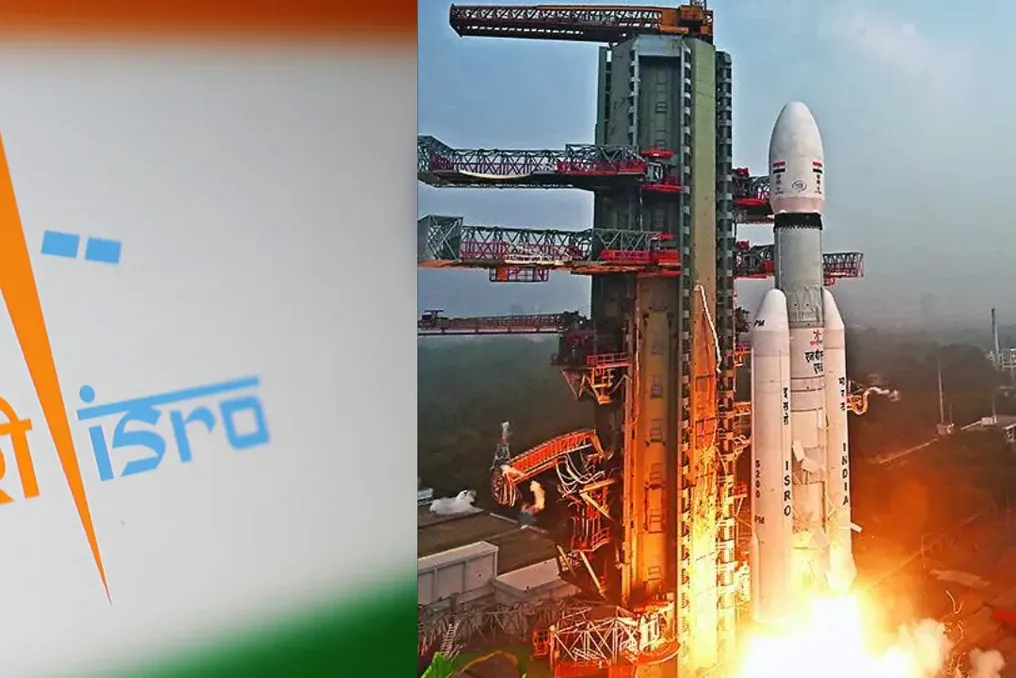
The Indian Space Research Organisation (ISRO) has categorically rejected reports of privatization or a reduction in its role within India's space program. These statements emerged following a series of reports regarding plans to transfer parts of rocket and satellite manufacturing, as well as potentially some launch operations, from ISRO to the private sector.
Nine ISRO employee associations also demanded official clarification from Chairman V Narayanan regarding the direction of these changes. In a statement dated September 6, ISRO indicated that such reports generate 'speculation and disinformation,' labeling claims about an attempt to privatize the organization or diminish its significance as unfounded.
The organization emphasized that ISRO will retain its status as the country's leading institution for advanced space research, technology development, strategic and national missions, space science, and space exploration, as well as critical technologies.
This clarification is significant because fundamental changes are indeed occurring, although labeling this as privatization misrepresents the situation. ISRO acknowledges that mature technologies and routine production can increasingly be handled by industry, allowing scientists and engineers to focus on more complex tasks.
The statement noted: 'Private sector participation in space does not mean a reduction in ISRO's role. It allows ISRO to concentrate even more strongly on the next generation of India's space program, while industry scales up mature technologies and capabilities.'
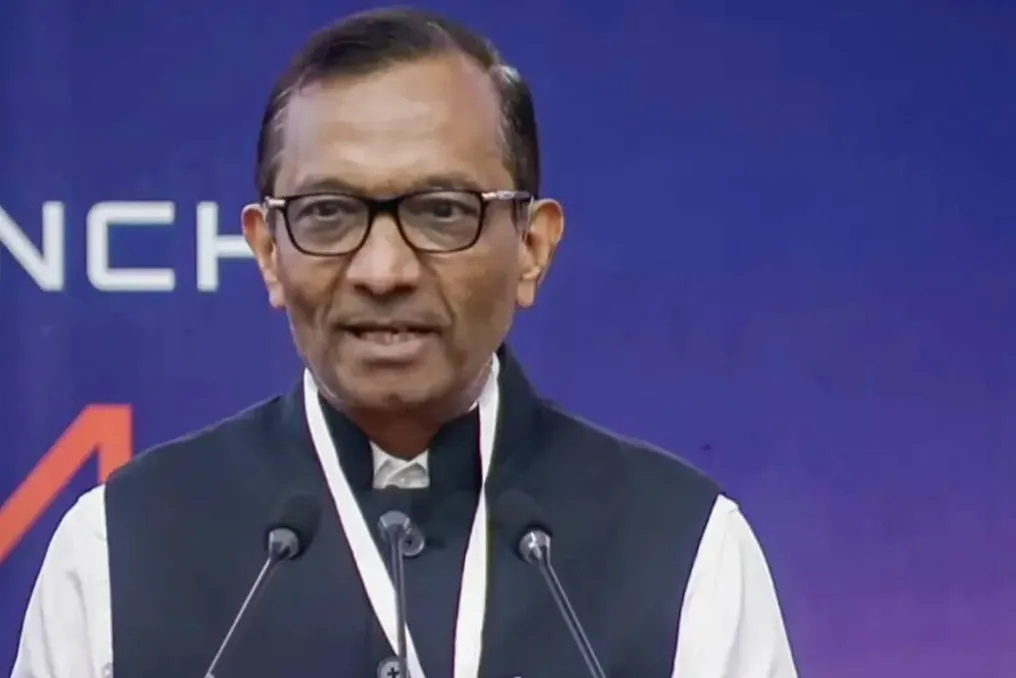
Immediate concerns arose after comments by Pawan Goenka, Chairman of the Indian National Space Promotion and Authorisation Centre (IN-SPACe). Goenka suggested that ISRO might eventually move away from routine launch vehicle manufacturing to focus more on research, strategic missions, and new technologies. He also highlighted the need for a sharp increase in the pace of launches in India.
Goenka stated on September 6: 'We have set an ambitious goal—50 launches per year by 2030. A goal of this magnitude cannot be achieved by one organization.'
Last year, ISRO, NSIL, and IN-SPACe signed an agreement with Hindustan Aeronautics Ltd to transfer the technology for Small Satellite Launch Vehicles (SSLV). The SSLV is designed for relatively small satellites and was created as a rapidly deployable and easily manufacturable launch vehicle. ISRO reported that this vehicle is intended for mass production by industry.
However, in August of this year, ISRO continued testing the upgraded first stage of the SSLV, demonstrating that technology development has not ceased simply with the transfer of production.
PSLV production is also transitioning to industry. According to NSIL's annual report for 2025–26, NSIL has contracted with industry led by HAL for the complete production of five PSLV-XL vehicles, with the first industrially produced vehicle scheduled for 2026. It should be noted that NSIL remains a fully government-owned company and is a commercial division of ISRO.
A broader policy shift began in 2020 when India opened the space sector to private companies across the entire value chain, followed by the Indian Space Policy 2023 and a liberalized direct foreign investment system. IN-SPACe was established to facilitate, authorize, and oversee non-governmental space activities, while NSIL was responsible for commercialization and ensuring industry-led production.
All these developments have led to the formation of a significantly larger private ecosystem. According to government sources, the number of space startups reached approximately 440 by August 2026, with private companies actively working in the areas of launch vehicles, satellites, propulsion systems, ground systems, and applications. Private investments have also exceeded $600 million over five years, and a venture fund of 1000 crore and a technology adoption fund of 500 crore rupees have been introduced to support the sector.
Thus, the main question is not whether ISRO is being privatized, but how far the division of labor will go. ISRO has stated that strategic capabilities, cutting-edge research, manned flights, and major national missions will remain at the core of its work. Meanwhile, its employee associations demand clarity on whether the transfer of production and operations could ultimately transform the organization into primarily a research body.
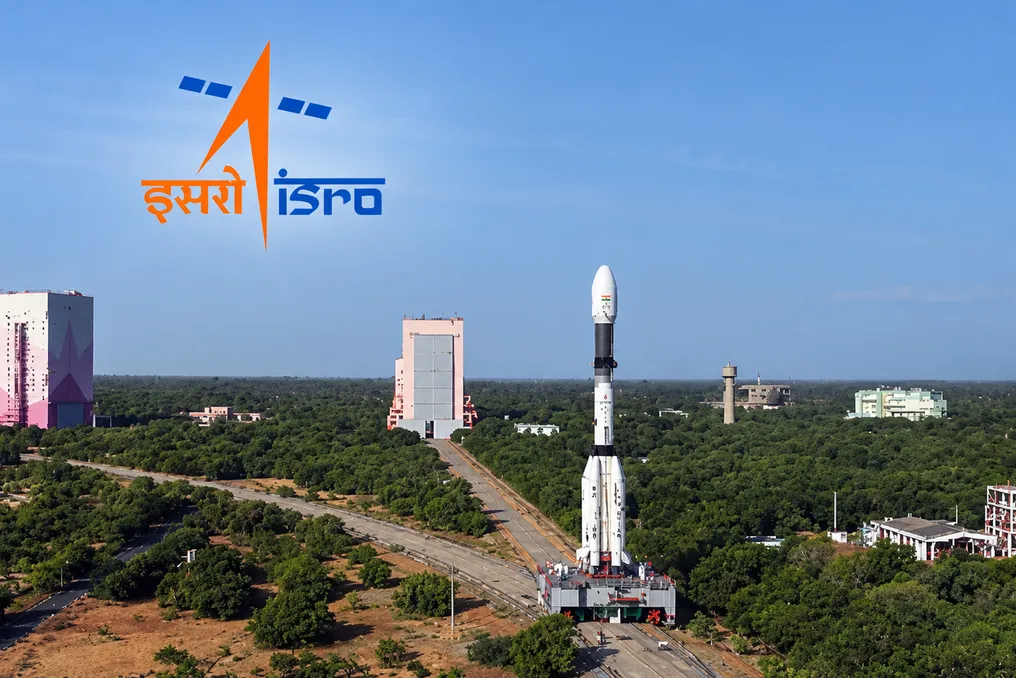
India's latest GSLV mission, which successfully placed EOS-05 into orbit on September 4, underscores that ISRO remains fully operational at the center of the national program. A more significant transition is happening around it, as India strives to build a much larger commercial space industry without weakening the state institution that originally developed the nation's capabilities.