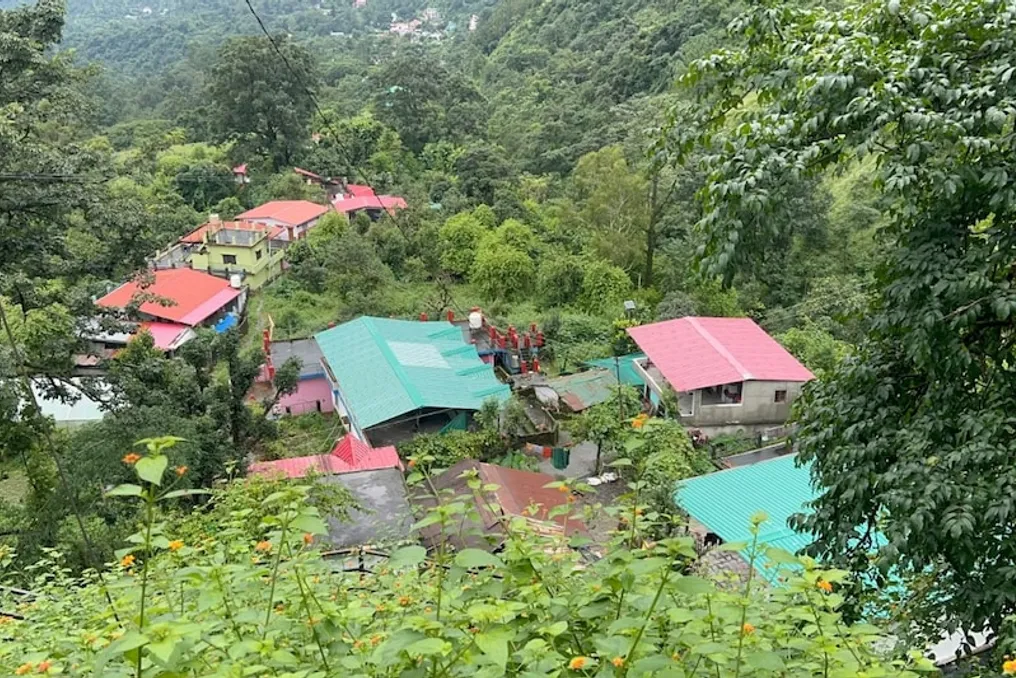
A wave of anxiety has swept through the villages in the Neynital region, Uttarakhand, as the water meant to sustain life has begun to cause fear. An increase in cases of jaundice and diarrhea has been observed in the villages of Jolikot and more than five neighboring settlements, causing serious concern among the population.
According to reports, over one hundred residents in villages such as Jolikot, Ganja, and Sariatal have fallen ill. Many of these patients were initially referred to hospitals in Neynital and Haldwani before being transferred to larger medical facilities. Some sick individuals are receiving treatment in Bareli and Delhi.
Two people died during treatment. Following the spread of the illness, health department teams arrived in the affected villages, where checks are being conducted and screening camps have been organized. Local residents attribute this entire crisis to contaminated drinking water. According to local accounts, people initially complained of vomiting, diarrhea, and weakness, which they mistook for common seasonal ailments and treated locally.
However, as the number of sick people began to rise and cases of jaundice appeared, concern intensified. Gradually, more villages were affected by the epidemic. The disease has struck people of all ages, from children to the elderly. Patients in critical condition have been hospitalized in Neynital and Haldwani hospitals, while some required transportation to Bareli and Delhi for better treatment. When the two deaths were reported, fear among the residents increased.
The death of 26-year-old Nima Joshi during treatment was reported, as well as that of 16-year-old Jin, who passed away at Ram Manohar Lohia Hospital in Delhi. After these tragedies, the atmosphere in the affected villages has become extremely tense. Families of those battling the illness are also in a state of fear. Residents worry that if the root cause of the disease is not quickly identified, the situation could worsen in the coming days.
Following the outbreak, the most serious question arose regarding the water supply system. Residents claim that contaminated water has entered the water sources connected to the district's water reservoir. Locals speculate that dirty water from the sewage system of the city of Neynital might have entered some water source that is then supplied to the villages through the drinking water system. Nevertheless, these are currently only accusations and assumptions from rural residents. The actual cause of the illness and whether contaminated water is the source of infection can only be confirmed after scientific research. At present, the water source where the entry of sewage was suspected has been isolated from the water reservoir.
Local resident Kavita Joshi stated that an atmosphere of fear has set in following the rise in the number of cases among residents. Many families are exercising extreme caution when handling water. Residents emphasize that it will be difficult to avoid the disease if the drinking water source is not safe. Block President Harish Bisht also called the situation serious. The main task for the administration and the health department is to find out the cause of the infection and stop it after a large number of people have fallen ill in the region.
Residents demand that instead of merely conducting medical camps, door-to-door visits be made to check the health of people in the affected villages. Furthermore, they insist on taking water samples from all water sources and supply lines in the area for immediate analysis. Residents also want regular monitoring of families with sick members to ensure timely hospitalization if symptoms worsen. The condition of children and the elderly is of greatest concern. Given the growing threat of the disease, the administration has taken preventive measures: 10 schools and 5 AANBADI centers in the Jolikot, Ganja, and Sariatal areas have been closed for one week. This administrative decision is considered an important step to protect children from potential infection threats. However, closing schools alone will not eliminate the disease; the danger remains until the source of infection is identified and the water supply system is completely safe.