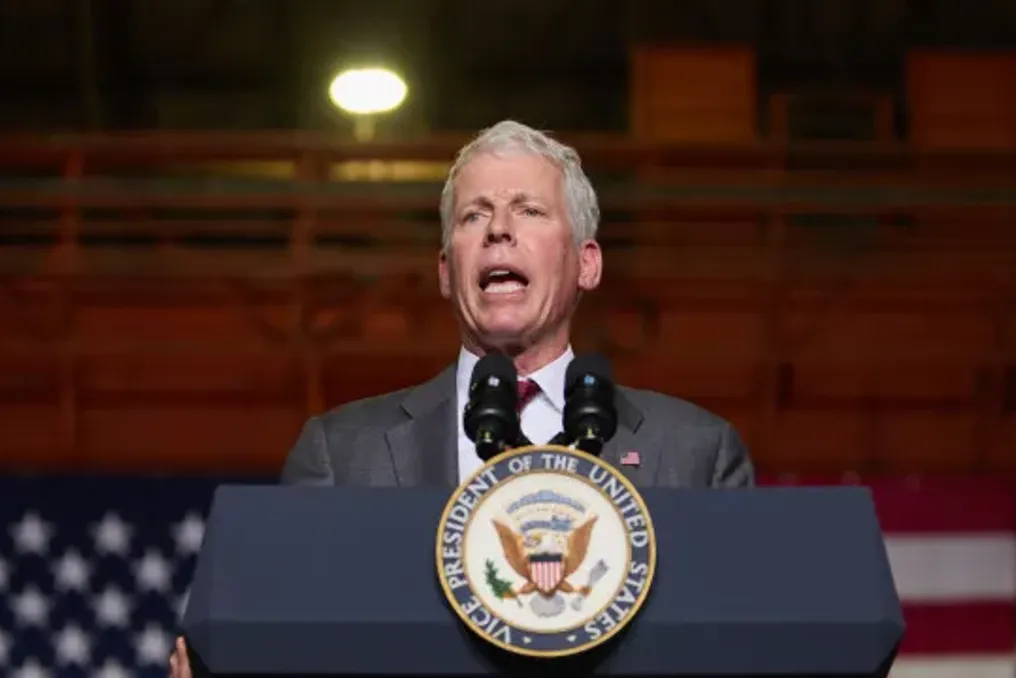
The United States Energy Secretary stated that a potential nuclear agreement might not materialize, noting that they could simply eliminate Iran's capabilities to develop nuclear weapons. He also added that the likelihood of reaching an agreement between the US and Tehran could be postponed until the arrival of a new American administration.
These statements came after Iran attacked a US ship in the Strait of Hormuz today. This attack was a response to attacks carried out by the US on Iranian tankers on Saturday.
The resumption of hostilities occurs against the backdrop of rising fuel prices due to the conflict that began more than six months ago. The conflict has disrupted traffic through the strategically important Strait of Hormuz, which previously handled 20% of global raw materials before the confrontation.
Washington and Tehran have been holding direct and indirect negotiations for months with the aim of concluding an agreement that would end the conflict. In June, both countries signed a memorandum of understanding that launched a new dialogue process. This process provided for measures regarding Iranian reserves of enriched uranium and its reduction under the supervision of the International Atomic Energy Agency (IAEA), although a final nuclear agreement was never reached.
In the United States, the average price of gasoline reached a historic high of about $4.14 per gallon (3.785 liters) this past weekend, preceding the national holiday Labor Day, which is observed on the first Monday of September and marks the end of summer in the country. The AAA Association attributed the price increase to constant volatility in the Strait of Hormuz, which raised the price of crude oil to $90 per barrel.