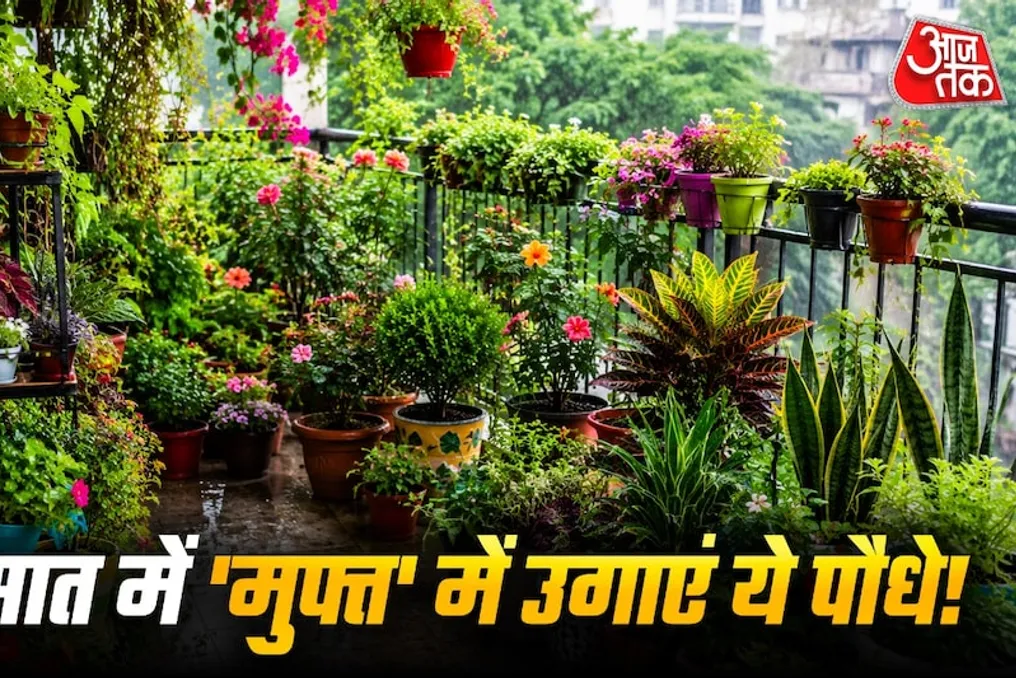
With the arrival of the rainy season, the heat subsides, but indoor humidity significantly increases. This is especially noticeable when there is prolonged rain and windows and doors remain closed for long periods, leading to a feeling of dampness in rooms, bathrooms, and near windows.
Furthermore, in some homes, this situation exacerbates problems with mold, dampness, and unpleasant odors, for which people often use expensive products. Nevertheless, during humid weather, plants can be used to remove damp odors from the house.
Various houseplants can be planted to green up the home. These plants are capable not only of improving the appearance of the dwelling but also of making the atmosphere fresher and more comfortable. However, it should be understood that the mere presence of plants is not enough to eliminate excess moisture in the house. It is important to maintain ventilation by opening windows during the monsoon season and using dehumidifiers if necessary.
If you enjoy indoor gardening, you can consider the following plants for the autumn period:
Spider Plant — this is a suitable option for Indian homes as it requires minimal care. It can be placed near a window, on a balcony, or in a room that does not receive direct sunlight. During the rainy season, do not water it too frequently, as the soil may remain wet for a long time. Water only when the top layer of the soil has dried.
Peace Lily decorates the home with its white flowers and green leaves. They are best placed in areas with soft or diffused light. Although this plant likes a moist environment, standing water in the pot must be avoided. Excessive watering during the rainy season can damage the roots, so ensure proper drainage.
Snake Plant (Sansevieria) is suitable for those who prefer low-maintenance plants. It can be placed in a living room, an entrance area, or near a window. This plant does not require regular watering. During the rainy season, always check the condition of the soil before watering. It is crucial that the pot has a drainage hole to prevent water accumulation.
English Ivy, with its vine-like leaves, gives a beautiful green look to the corners of the house. It can be placed in hanging baskets near a window. However, it should not be placed in very dark and enclosed corners. The plant does not require direct sun; a spot with good light and fresh air is sufficient.
Boston Fern, with its dense green foliage, makes the house fresh and aesthetic. Since this is a moisture-loving plant, it can be grown indoors during the monsoon season. However, avoid placing it in enclosed corners where there is already severe dampness. Air circulation around the plant must be maintained. The soil should be moist, but water should not stagnate.
The main rule when caring for plants in rainy weather is not to overwater them. Due to constant rain and high humidity, the soil in pots does not dry out quickly. Therefore, avoid daily watering without inspecting the soil.
All pots with plants must have drainage holes to drain excess water. Additionally, regularly remove dry or damaged leaves and place the plants where they receive some natural light and air circulates.
If there are already problems with dampness or mold in the house, simply placing plants will not solve the problem. In such cases, it is much more important to find the cause of the increased humidity and ensure better ventilation in the house.