
10 Famous Historical Forts of Goa: Recommendations for Visiting in September
Read more
Aaj Tak
www.aajtak.in

10 Famous Historical Forts of Goa: Recommendations for Visiting in September

When people hear the names Mumbai and Goa, they first picture beaches and the sea. If you love to travel and are planning a trip to Goa, this information will be useful for you. Although everyone talks about Goa's beaches, nightlife, and seafood, many do not know about the numerous historical forts in the state.

The beauty of Goa is not limited to these aspects; there are many ancient forts here that tell the history and showcase the region's architecture. Some of these forts are located by the sea, while others are situated among greenery and rivers. This is why these places attract not only history lovers but also photography and nature enthusiasts.

If you plan to visit Goa, you should definitely see these magnificent forts. Moreover, some of these Goan...

Famous Forts of Goa

Here is a list of ten of the most famous forts in Goa:

  • Chapora Fort: Located near the Chapora River, this fort is among the most popular historical sites in Goa. It offers picturesque views of the Arabian Sea and its surroundings. The sunset here is especially magical in the evening, attracting visitors from afar. This fort is known for being a filming location for the popular movie 'Dil Chahta Hai' in 2001.
  • Aguada Fort: For those interested in history, Aguada Fort in Goa will be very interesting. It is a wonderful place to study Portuguese architecture in detail, and its old lighthouse and seascape give it a special charm.
  • Corgim Fort: This small and quiet fort, located on Corgim Island, is ideal for those seeking tranquility away from the crowds. The surrounding green environment enhances the beauty of this place, creating a feeling of serenity.
  • Cabo De Rama Fort: Located in South Goa, Cabo De Rama Fort is known for its ruins and stunning sea views. The chapel of St. Anthony, located within the premises, also draws attention.
  • Rachol Fort Gate: Most of Rachol Fort has now faded into history, but its old gates still remind one of bygone times. The green fields around enhance the beauty of this place, offering seclusion from the hustle and bustle.
  • Alorna Fort: This historic and tranquil site is located on the banks of the Chapora River in Pedna, North Goa. Built in the 17th century by the Bhonsle kings of Savantwadi, it offers a retreat from the hustle and bustle and is an excellent destination for nature, history, and photography lovers.
  • Betul Fort: Located in South Goa at the confluence of the Sal River and the Arabian Sea, this fort is a beautiful spot. Its construction was carried out by order of Chhatrapati Shivaji Maharaj in 1679 and is considered the last fort during his lifetime. It is an ideal spot for nature and history lovers, where one can enjoy peace away from the hustle and bustle.
  • Terehol Fort: This fort, located at the mouth of the Terehol River, combines history and natural beauty. It offers magnificent views of both the river and the sea. It can be easily reached by ferry from Queriem beach.
  • Colva Fort or Tivim Fort: This historical monument is located on the banks of the Bardez River in North Goa. Built in 1635, it has now turned into ruins, but its calm atmosphere and beautiful view of the river are very pleasing to tourists. It is an excellent place for history, photography, and secluded relaxation away from the hustle and bustle, near the Tivim railway station.
  • Nanuz Fort: Nanuz Fort is also considered one of Goa's lesser-known historical sites. Its remains and surrounding greenery make it a wonderful choice for off-the-beaten-path travel.
Similar stories

Historical town of Minas where wild lob-guaras appear every night
Read more
viagemeturismo.abril.com.br

Historical town of Minas where wild lob-guaras appear every night

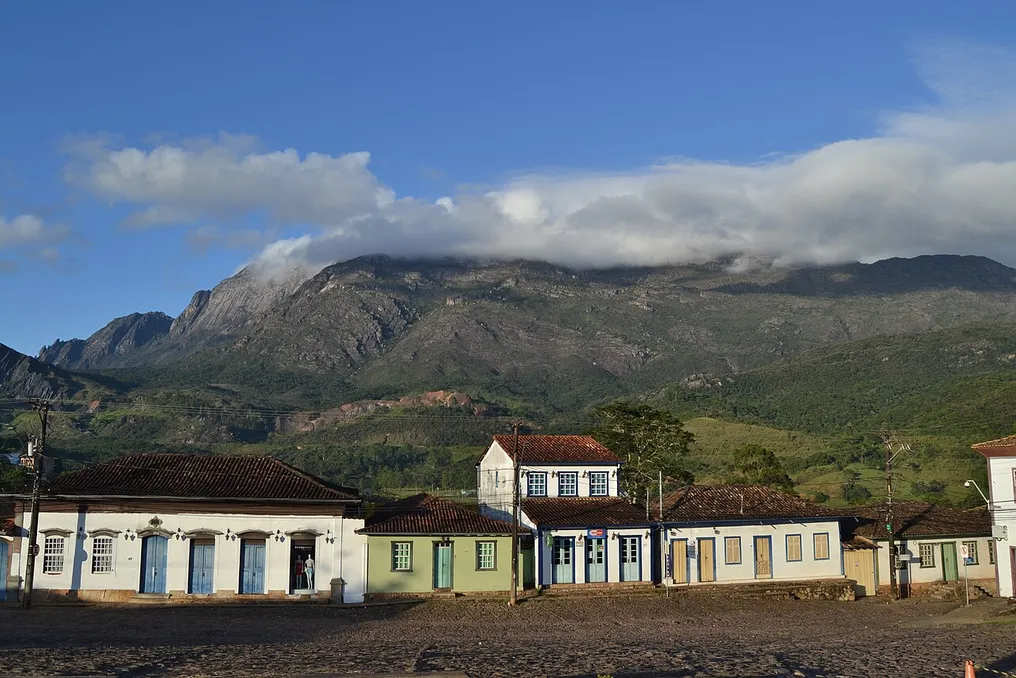
In the rural area of Minas Gerais, about two hours from Belo Horizonte, is Catas Altas, which is a popular destination for religious tourism. However, the appeal of the municipality, with a population of just over five thousand residents, is due not only to this but also to its old buildings and natural beauty.

The name of the city is connected to its history, which began during the colonial period in the late 17th century. Underground springs, known as 'catas,' were discovered in this area. During the mining cycle in the following century, the richest and most productive mines were located on the crest of the ridge, which gave the name Catas Altas.

Carasa Sanctuary

The main attraction is undoubtedly the Carasa Sanctuary, located between Catas Altas and Santa Bárbara. Within this vast natural area, the complex includes trails, waterfalls, and endangered views, such as the lob-guara.

This animal has a special connection with the Nossa Senhora Mãe dos Homens church, built in Neo-Gothic style, which is located inside the sanctuary. For decades, lob-guaras have approached the church to feed on meat that church staff place on a tray.

Every night, around 7:30 PM, sanctuary staff place a tray of meat in the church's inner courtyard, and visitors wait silently for a possible appearance of the lob-guara. However, an encounter is not guaranteed, as this wild animal appears at its discretion. While waiting, caretakers talk about local fauna and the importance of preserving this species.

This tradition began in 1982 when the sanctuary's trash bins started being overturned in the mornings. Initially, dogs were blamed, until religious figures discovered that the nocturnal visitor was the lob-guara. Gradually, food trays began to be brought closer to the church, which gave rise to the ritual that has become one of the symbols of Carasa. According to the sanctuary, the practice is maintained because it does not violate the animal's natural hunting habits.

Those who want to see the 'Wolf Hour' should keep one important detail in mind: they must be staying at the Carasa Sanctuary, as daytime visits close at 5:30 PM, before the event begins. Accommodation options are available at the sanctuary and at Fazenda do Engenho.

The sanctuary is located on Estrada do Caraça, km 9, between the municipalities of Catas Altas and Santa Bárbara. In the center of Catas Altas, there are also other historic churches, where colorful buildings are situated around the main square. There is the 18th-century Church of Nossa Senhora da Conceição, but one should also visit the Church of Santa Quitéria, the Rosary Church, and the Chapel of Nosso Senhor do Bonfim.

Combining architecture and natural beauty, the Bicame de Pedra Aqueduct is one of the region's main tourist attractions. Located on Estrada Real, 12 kilometers from the historic center of Catas Altas, this aqueduct was built by slaves in 1792 and was used to transport water from Serra do Caraça to Brumadinho, where mined gold was washed.

Besides the old buildings, Catas Altas offers nature experiences. Located at the foot of Serra do Caraça, the landscape features peaks and waterfalls. The Carasa Sanctuary itself offers trails and waterfalls, among which stand out Cachoeira do Meio and Cachoeira de Maquiné.

For lovers of mountain tourism and climbing, good options are Pico de Catas Altas and Pico do Baiano. The former is about 1810 meters high and has a 7-kilometer trail. The latter is a rock mass 2016 meters high, featuring 750 meters for climbing.

Casa Guaratuba / Studio 41: A refuge between mountain and sea with a balcony on the beach
Read more
archdaily.com.br

Casa Guaratuba / Studio 41: A refuge between mountain and sea with a balcony on the beach

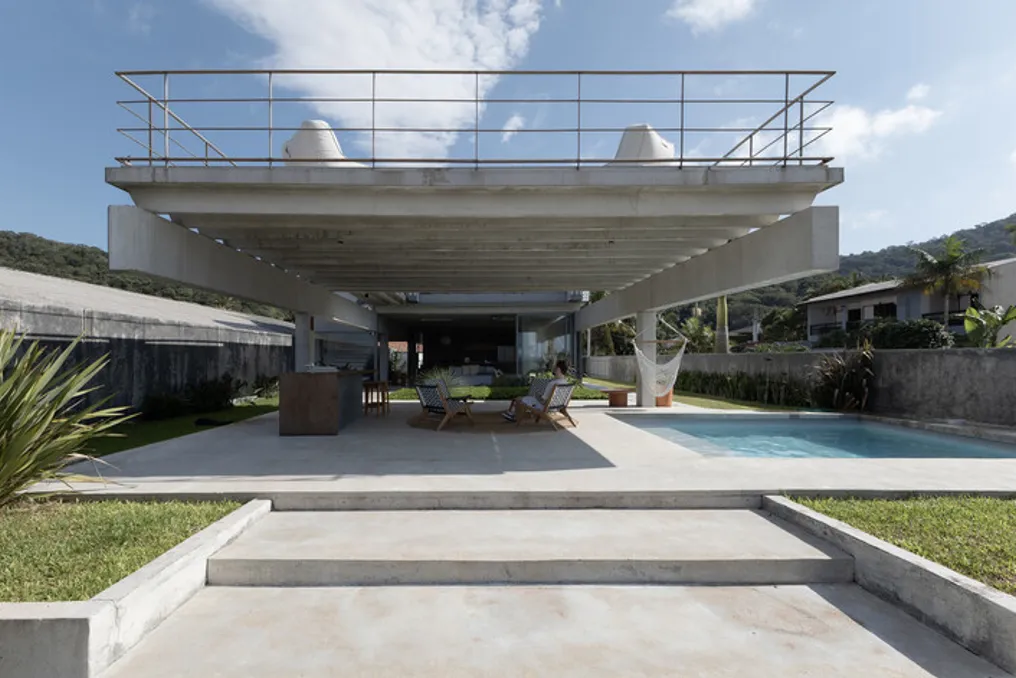
The Casa Guaratuba / Studio 41 was described by the project team as a refuge located between the mountain and the sea, featuring a balcony situated on the beach, making it a unique element in the landscape.

Project Gallery

Information about the project was cited on ArchDaily in Portuguese, dated August 26, 2026.

Popular