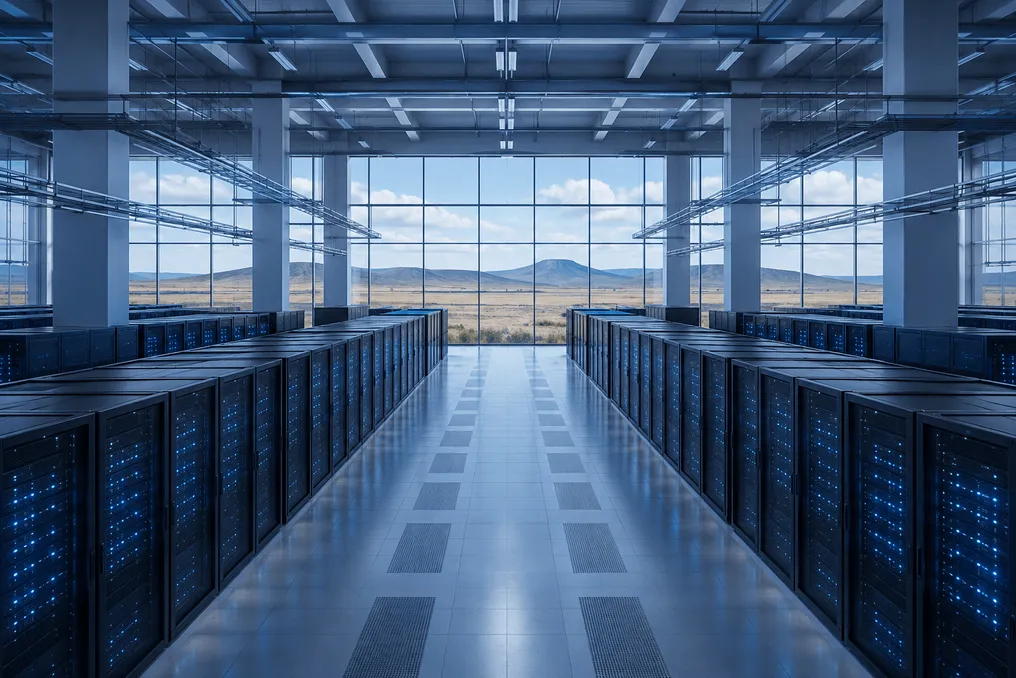
The AI laboratory DeepSeek, based in Hangzhou, intends to install no fewer than 160,000 next-generation Ascend 950DT accelerators from Huawei in a data center currently under construction in Inner Mongolia, according to sources familiar with the matter and cited by Bloomberg.
If the project is realized on this scale, this deployment will be among the largest publicly described clusters built on Huawei silicon for artificial intelligence, marking a significant step forward compared to previous Ascend installations which numbered only tens of thousands of cards.
The company plans to use the 950DT cards primarily for inference tasks—that is, serving production models to users, rather than for more complex training of new systems. Although DeepSeek has previously experimented with Huawei hardware for training, it continues to rely on Nvidia accelerators for this stage.
The Ascend 950DT is positioned as a solution for both decoding and training tasks; however, DeepSeek's short-term plan separates these two functions into different stacks, reflecting the current strengths of domestic accelerators in high-volume servicing.
Significant are not only the number of chips but also the ambitions regarding location and power consumption. The campus in Inner Mongolia is described as gigawatt-scale, capable of powering about 750,000 homes at full load. Cheap western energy and cooling conditions align with the 'eastern data, western computing' model used by many Chinese operators for dense AI workloads.
The planned 160,000 Ascend 950DT units will cover only part of this capacity, leaving open the question of what mix of accelerators will fill the rest of the site.
Delivery timelines depend on Huawei's ability to produce 950DT in large volumes. According to sources, a shortage of high-performance memory and competitive demand from other clients are expected to limit the output of 950DT to low hundreds of thousands this year, meaning DeepSeek's order fulfillment could take over a year.
DeepSeek has also sought political support to ensure a larger and faster distribution of top-tier Huawei cards, as other cloud and internet service buyers compete for the same lineup.
This construction is part of a broader trend toward using domestic AI accelerators for large-scale servicing. Chinese companies have already launched small Ascend clusters, while laboratories continue to combine local silicon for inference with imported or overseas rented capacity for training when necessary.
DeepSeek and Huawei did not comment on the announced plan. For operators tracking China's AI computing power map, this story represents more of a stress test on whether Ascend supply, network connectivity, power supply, and cooling can meet model traffic in a real data center environment.