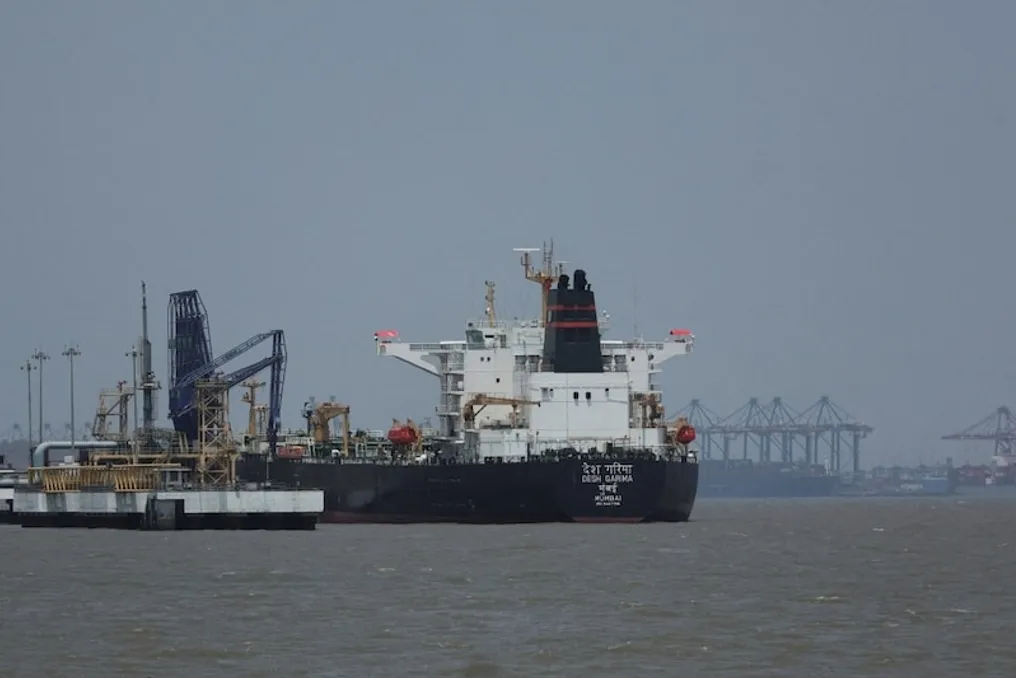
Tensions in the Middle East have impacted global oil and gas supplies, which has also affected India. However, thanks to Modi government's Plan B, which included diversifying import destinations and increasing domestic production, this impact was significantly mitigated. Furthermore, India is now playing an important role in supplying fuel to other countries.
According to data presented in a report by Vortexa, India has taken the position of a key supplier of diesel fuel to Europe amidst the slowdown in Russian exports and weakening American supplies.
According to a PTI report, in August, about 60 percent of the diesel fuel arriving in Europe via the Bab el-Mandeb Strait was supplied by Indian refineries. Last month, about 200,000 barrels per day of diesel fuel or gasoline moved to Europe via major sea routes. This figure approached last year's level after the flow on this route almost stopped in March and April.
The growth of India's role in diesel fuel supplies is due to the presence of excess production capacity at its refineries. India is the fourth-largest refining complex in the world, with a capacity of 258.1 million tons per year, which exceeds domestic fuel demand. In 2025-26, India exported 61.5 million tons of petroleum products, becoming one of the largest global exporters of refined petroleum products. These types of fuels are now supplied to the markets of Europe and Russia.
In August 2026, there was a sharp drop in diesel fuel supplies from America to Europe via the Bab el-Mandeb Strait, and Russian diesel exports also significantly decreased, having previously been an important source for Europe. According to Vortexa, in the first 25 days of August, the export of diesel fuel and gasoline from Russia via sea routes averaged only 150,000 barrels per day, which is 610,000 barrels per day less than last year.
The report indicates that due to Ukrainian drone attacks during the war between Russia and Ukraine, disruptions constantly occurred in the operation of Russian refineries and export infrastructure. Only in July and August, about 32 attacks were carried out on Russian refineries. According to Vortexa, after an attack on the Perm refinery with a capacity of 260,000 barrels per day, its operational capacity dropped to approximately 28 percent. These attacks also affected export terminals.