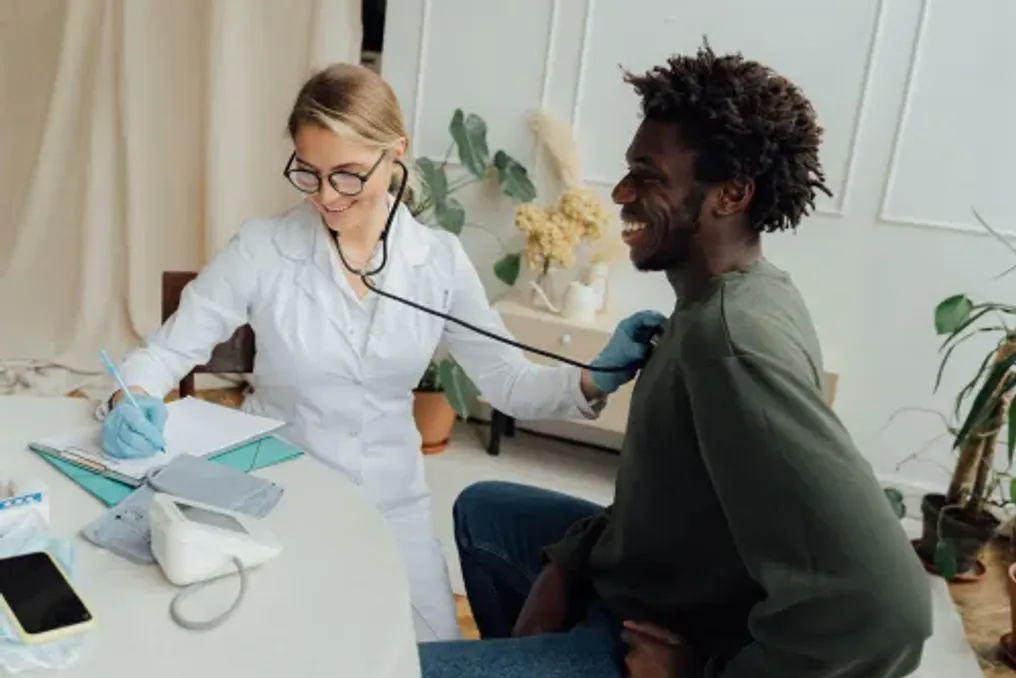
The most significant health checks are not always the most dramatic; often, they are simple tests capable of detecting a problem early enough to alter its course.
While medical procedures often overshadow routine screening, regular check-ups play a critical role in preventing severe diseases and identifying conditions before they become life-threatening.
In South Africa, where chronic diseases are a growing concern, regular screenings help detect conditions that might go unnoticed for years.
According to the South African Heart and Vascular Foundation, over a third of adults suffer from high blood pressure. This condition, known as the 'silent killer,' often shows no obvious symptoms until significant damage has occurred. Diabetes and high cholesterol can also remain undetected for long periods.
Many of these issues are treatable when detected early, making scheduled health checks an essential part of maintaining long-term health.
Key Types of Health Checks
1. Blood Pressure Check
Measuring blood pressure is quick and simple, yet it can reveal a potentially serious health risk. The World Health Organization estimates that about 44% of adults with high blood pressure are unaware of their condition. Early detection of hypertension allows treatment to begin before it leads to more serious complications such as heart attacks, strokes, or kidney disease.
2. Cholesterol and Blood Glucose Tests
Starting in one's thirties and forties, screening for cholesterol and blood glucose levels should be a priority, especially if a person is overweight or has a family history of diabetes or heart disease. The South African Heart Association recommends more frequent checks for individuals with risk factors. Minor elevations can be managed through diet and lifestyle changes upon early detection, but prolonged neglect can lead to more serious health problems.
3. Cancer Screening
The importance of cancer screening increases around age 45. Generally, colorectal cancer screening is recommended from this age or earlier for individuals with a family history of colon cancer or polyps. Women should undergo regular mammograms, and men should consider regular prostate screening from age 50—or age 40 if they have a family history.
4. Bone Density Scan
Beginning at age fifty, bone density screening helps identify the risk of osteoporosis. Women are particularly vulnerable with age, as declining estrogen levels after menopause can accelerate bone mass loss. Men can also develop osteoporosis, but women face roughly double the risk of related fractures. Bone density scanning is relatively simple, but delaying the test can allow bone tissue loss to progress unnoticed.
5. Regular Eye Exams
It is recommended to have an eye exam every one to two years, and it serves not only to monitor vision. These exams can also detect early signs of diabetes, potentially providing a warning even before the condition affects sight. This makes regular eye check-ups useful even for people who do not have obvious vision problems.
6. Comprehensive Health Checkup
Depending on age and healthcare plans, several health checks can be performed simultaneously, which can make screening more convenient and cost-effective. Members of health insurance programs may be able to receive some of these checks as part of their benefits. For example, Fedhealth offers an annual health screening as part of its health risk assessment, which includes measuring blood pressure, BMI, waist-to-hip ratio, and testing cholesterol and glucose.
The Importance of Regular Health Screenings
The value of these checks lies in their simplicity. For instance, early detection of high cholesterol allows for lifestyle changes before more serious intervention is required. Similarly, cancer found at an early stage is generally easier to treat than cancer detected later.
Regularly undergoing these screenings, usually annually, also helps establish a personal health baseline and simplifies the identification of year-over-year changes. Other routine checks should not be forgotten. Dental check-ups and skin examinations can also become part of a regular health care regimen. Oral health is linked to conditions such as heart disease, while regular skin checks are especially important given the strong sun exposure in South Africa.
In conclusion, the most important health checks are not necessarily the most dramatic; they are most often simple tests that allow a problem to be detected early enough to change its course.