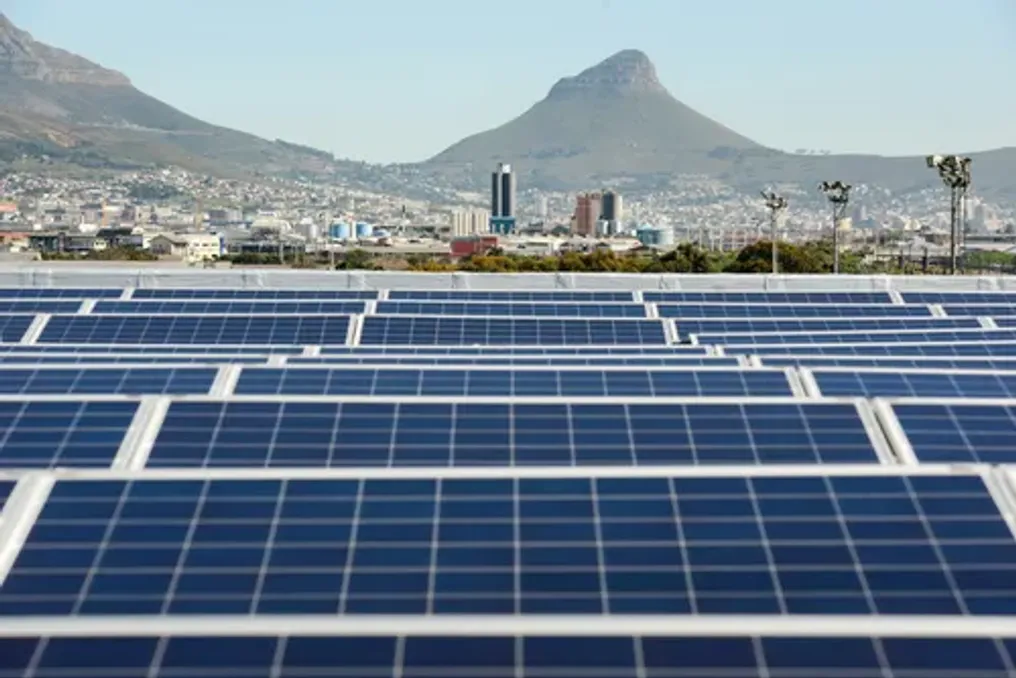
Cape Town is intensifying efforts to reduce its reliance on Eskom by attracting independent power producers, its own solar generation, energy storage systems, and other technologies to ensure more affordable and reliable energy supply.
The latest step was the signing of the first two long-term power purchase agreements with independent solar energy producers. These twenty-year contracts will secure 70 MW of electricity: 30 MW will come from the JEMPEC solar power plant connected to the city's grid in Atlantis, and the remaining 40 MW will be supplied by Make A Difference LLC in the Philippines.
The city stated that the initial cost of this electricity will be 19%–21% lower than current Eskom tariffs. These agreements are part of a procurement process valued at up to 200 MW, with Cape Town planning to acquire up to 700 MW of independent power in the long term.
Mayor Geordin Hill-Lewis noted that the goal of these measures is to lessen the impact of rising Eskom tariffs on Cape Town consumers. He emphasized: 'We are working to end our dependence on expensive Eskom energy, making electricity more affordable for Cape Town residents.' Hill-Lewis added that he is pleased to sign the first two agreements with solar power plants in Cape Town, which sets a precedent for any South African city, with plans to acquire up to 700 MW of independent capacity in the future.
The city expects these two agreements to allow it to purchase electricity worth about 8 billion rand over two decades. Furthermore, it was announced that future price increases under the contracts will be linked to the Consumer Price Index, rather than directly following Eskom tariff hikes.
Cheaper wholesale energy may not immediately lower bills
Energy expert Professor Wally Padayachi said that the savings are significant, but the long-term value lies in greater price predictability. Padayachi noted that the 19%–21% discount compared to current Eskom tariffs is a substantial initial indicator.
He stressed that the most important aspect of this saving is not just the immediate cost reduction, but also the price stability achieved by linking future increases to the Consumer Price Index, instead of unpredictable, often double-digit increases associated with Eskom tariff applications.
However, Padayachi warned that consumers should not expect their municipal electricity bills to drop by the same percentage immediately. He explained that the impact on individual households will depend on how the cheaper electricity is integrated into the City's overall tariff structure.
City expands energy security program
Energy Committee Member Xanthia Limburg stated that these agreements are intended to form the basis for a larger independent generation program. Limburg noted that these initial purchases lay the groundwork for a more sustainable and scalable generation program.
She explained that this was made possible by a carefully designed new independent energy procurement system that guarantees reliable, financially sound, and successful execution, as well as long-term energy supply to the City. In February, Limburg presented a phased approach that includes the City's own solar power plants, private renewable energy purchases, energy trading, and major investments in the grid.
The city reported that it is close to completing its municipal project for a large-scale solar power plant in Atlantis and is advancing plans to create a larger solar panel installation in Paarl. Additionally, over 4 billion rand has been allocated for grid infrastructure modernization intended to support the system's increased share of renewable energy.
In April, Cape Town continued its move away from strong dependence on Eskom by inviting tenders from waste-to-energy producers. The city intends to procure at least 5 MW under agreements lasting up to 20 years, provided successful projects deliver electricity at a price below the equivalent Eskom tariff. Limburg mentioned that approximately 70% of the City's tariff revenue is spent on purchasing wholesale electricity from Eskom. She emphasized: 'Since this is our largest expense item, it is crucial to find ways to reduce Eskom's influence on electricity prices.'
The City's plans for 2026/27 also include allocating 659 million rand for renewable energy purchases over three years and 586 million rand for modernization to extend the lifespan of the Steenbras pumped-storage hydroelectric power station. The total investment amounts to 1.245 billion rand.
Battery storage systems are necessary to support solar growth
In August, the City also announced the start of studying its first Virtual Power Plant. This will allow the management of various energy sources, including rooftop solar panels, larger renewable installations, and energy storage systems, as a single power plant.
Padayachi noted that such auxiliary infrastructure will be critically important due to the limitations of solar energy. He explained: 'The main problem with solar energy is its intermittency—it is an undispatchable resource that does not provide energy during peak evening demand hours or periods of low sunlight.' Consequently, Cape Town will require a significant reserve of battery capacity, smart grid infrastructure, and demand management systems.