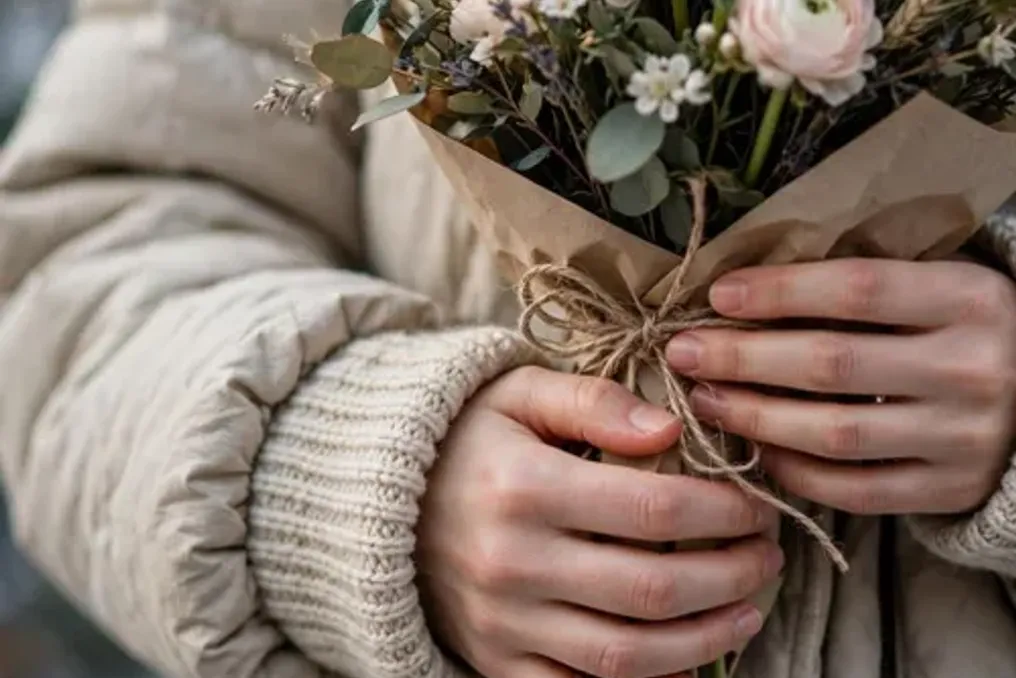
It is impossible to remain in the same closet season—whether it is a comfortable period or a difficult one. The author argues that one must learn to accept what is coming, let go of what has served its purpose, and allow oneself to bloom again when spring arrives.
The arrival of spring marked the departure of winter. Both these states are part of a design, and this design was never questioned. The only element a person could control was their reaction to what was happening. No tree protested the cold, and no leaf negotiated with autumn to keep its green color for a few more weeks. Spring comes on its own, without asking permission, and everything changes.
Nature does not argue with the calendar; it trusts it and changes with it. Nature has found its way, while people remain those who continue to dispute change. Perhaps this is the lesson for us: we cannot cling to one season, whether pleasant or difficult. We must learn to welcome what is approaching, release what has served its time, and give ourselves the opportunity to bloom again when our spring comes.
This is not just a lesson about the seasons; it is the law of life: change or perish. Change is not the enemy of stability, but rather the engine of growth. Nothing that refuses to change can bloom. Every version of ourselves that we are proud of today became possible thanks to the previous version that was ready to let go of the past.
Do not resist change; welcome it. A tree blooms not in spite of the seasons, but because of them. Life also moves in cycles: some are lush and easy, others are cold, sparse, and uncomfortable. Our suffering often arises not from the season itself, but from the refusal to adapt to it. We wish for the lightness of summer in winter and the beauty of spring in autumn. This is not resilience, but resistance disguised as nostalgia.
The secret to enjoying life has never been asking life to stop. It lies in learning to move with it. Do not let the weather outside dictate your inner state. Oliver Wendell Holmes Sr wrote in 1858: 'For him in vain the envious seasons roll, Who bears eternal summer in his soul.' And almost two centuries later, these words sound as if they were written this morning.
The seasons can revolve around your window as much as you like. Winter can howl, storms can strike, rain and thunder can unleash their fury. None of this can touch the warmth you carry inside if you have created it, worthy of preservation. Because here is the main point: the weather was never truly outside of you. It was always inside.
A saint carries his paradise wherever he goes—not because his circumstances are perfect, but because his inner climate is non-negotiable. The same path, the same rain, completely different journeys—because they pass not through the world, but through their own mental state, merely borrowing the world as scenery.