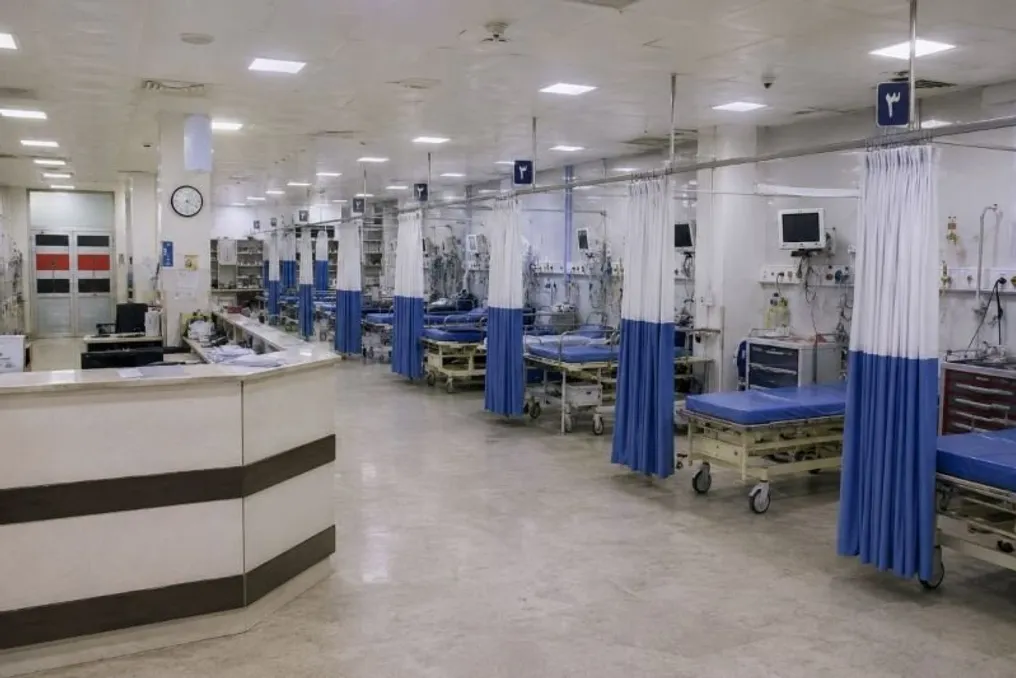
Thirteen healthcare development projects in the food and pharmaceutical sectors, being implemented in medical universities, are in the final stages. Priority is given to those projects that have achieved over seventy percent physical progress.
Abbas Mahdizadeh, an employee of the Food and Drug Administration (FDA), reported that eight such projects were completed and put into operation this year. Furthermore, it is planned to complete the construction of about 30 additional buildings and warehouses in the food and pharmaceutical industries by the end of 2027.
Mahdizadeh emphasized that the expansion and modernization of pharmaceutical warehouses and laboratories remain key areas for funding distribution. He noted that given the vital role of pharmaceutical stocks and infrastructure during crises, all projects must comply with established technical and safety standards.
In June 2024, FDA employee Abdolzim Behfahr presented the agency's legal measures aimed at ensuring food safety. He stressed that food production facilities, as well as imported batches containing raw materials and finished products, are under strict control. These statements were made on the occasion of World Food Safety Day, which is observed annually on June 7th.
The goal of this day is to draw attention and prompt action to prevent, detect, and manage food-related risks, thereby promoting food security, human health, economic prosperity, agriculture, market access, tourism, and sustainable development.
Behfahr added that during the Iranian calendar year 1402 (March 2023 – March 2024), a total of 4884 food-related complaints were investigated. During the same period, about 5100 non-compliant food production and distribution enterprises were identified and referred to judicial authorities.
According to the FDA Iran supervision, 266 unauthorized production units and over 170,000 items of contraband were discovered, Behfahr stated. He also noted that 148,000 illegal and counterfeit goods were found in the last year, and about 3.8 million kilograms of non-compliant food and beverages were destroyed.
Behfahr clarified that medical science universities across the country act as executive bodies for the FDA Iran, which conducts inspections of major health-oriented food distribution centers.
He stressed that food safety is a shared responsibility requiring the participation of everyone—from producers to consumers. Nevertheless, there are exceptional situations where unforeseen circumstances can jeopardize food safety even when all duties are performed.
Even in such cases, steps can always be taken to prevent diseases. Food safety incidents can range from minor events to serious international crises, whether it is a power outage at home, food poisoning in a local restaurant, voluntary recall of contaminated products by the manufacturer, an outbreak from imported products, or a natural disaster.
The risks associated with unsafe food know no borders, so in the context of an increasingly interconnected global food supply chain, danger can quickly transform from a local problem into an international emergency. This year's theme,