Iranian and Iraqi Universities Study Opportunities to Strengthen Ties in Artificial Intelligence
Read more
Tehran Times
www.tehrantimes.com

Iranian and Iraqi Universities Study Opportunities to Strengthen Ties in Artificial Intelligence

Masoud Tajrish, the chief executive of Sharifi University of Technology, and Zainab Al-Sultani, President of Al-Zahra Women's University, discussed expanding academic cooperation in artificial intelligence (AI) and generative systems, with a particular focus on postgraduate education.

According to Mehr News Agency, an Iraqi delegation led by Al-Sultani visited Sharifi University of Technology on September 1st to familiarize themselves with the university's educational opportunities and programs.

Highlighting the scientific and educational potential of Al-Zahra University, the Iraqi official expressed the university's interest in developing ties in AI and generative systems, as well as launching joint courses for graduate students.

For his part, Tajrish emphasized the importance of expanding scientific interaction between Islamic states, especially neighboring ones. He presented the achievements and capabilities of Sharifi University of Technology in education, research, and technology, noting its strong position in engineering, innovative ecosystem, and close ties with industry.

On August 6th, Iraqi officials, during a meeting with the Minister of Science, Research, and Technology Hossein Simai-Sarraf, called for increased academic, scientific, and technological cooperation with Iran.

The Minister of Science held a meeting in Baghdad with Haider Abd-Dahd Al-Rubai, Deputy Minister of Higher Education and Scientific Research of Iraq; Abdul Hussein Al-Musawi, Iraqi Minister of Health; and Abdul Hussein Al-Musawi, Acting Minister of Higher Education and Scientific Research, as reported by IRNA. During this meeting, both sides stressed the need to accelerate the implementation of previously signed Memoranda of Understanding (MOU).

Key discussion points included the exchange of Iranian experience in developing higher education to achieve quantitative and qualitative goals, meeting the needs of Iraq's large youth population, attracting talented Iraqi students, and improving research collaboration.

Simai-Sarraf also met with Saied Ammar Al-Hakim, leader of the Iraqi National Wisdom Movement. Both sides, emphasizing the extensive scientific and academic opportunities in Iran and Iraq, exchanged views on strategies for advancing scientific cooperation, expanding joint research, and developing academic contacts between the two countries' higher education institutions.

In April, Simai-Sarraf and Al-Aboudi noted the need to activate scientific and technical cooperation between the two states. The officials also discussed ways to develop collaborations in the field of artificial intelligence (AI) using the potential of both nations, according to IRNA.

During a meeting held in Tehran on April 18th, Al-Aboudi announced that the issue of opening a branch of Tehran University of Medical Sciences in Iraq had been included in the agenda. For his part, Simai-Sarraf expressed Iran's readiness to share the country's scientific, research, and educational achievements with Iraq to strengthen bilateral relations.

The official stated that Iranian and Iraqi students have currently conducted a total of 350 joint research projects, which requires improvement given the available opportunities.

Referring to the upcoming Iran-Iraq Science Week scheduled in Isfahan and Fars provinces, Simai-Sarraf noted that the event was postponed due to the war imposed by the US and Israel, but will be held at the earliest opportunity. As agreed by the two officials, AI and smart education will be among the topics discussed during the Iran-Iraq Science Week. This event is expected to serve as a basis for holding a joint AI conference in the near future.
Similar stories

Uzbekistan and Pakistan Expand Cooperation in Artificial Intelligence and Digital Technologies
Read more
uzdaily.uz

Uzbekistan and Pakistan Expand Cooperation in Artificial Intelligence and Digital Technologies

The Ministry of Digital Technologies of Uzbekistan reported that Uzbekistan and Pakistan discussed expanding cooperation in the fields of digital technologies, artificial intelligence, IT service exports, startups, and investments.

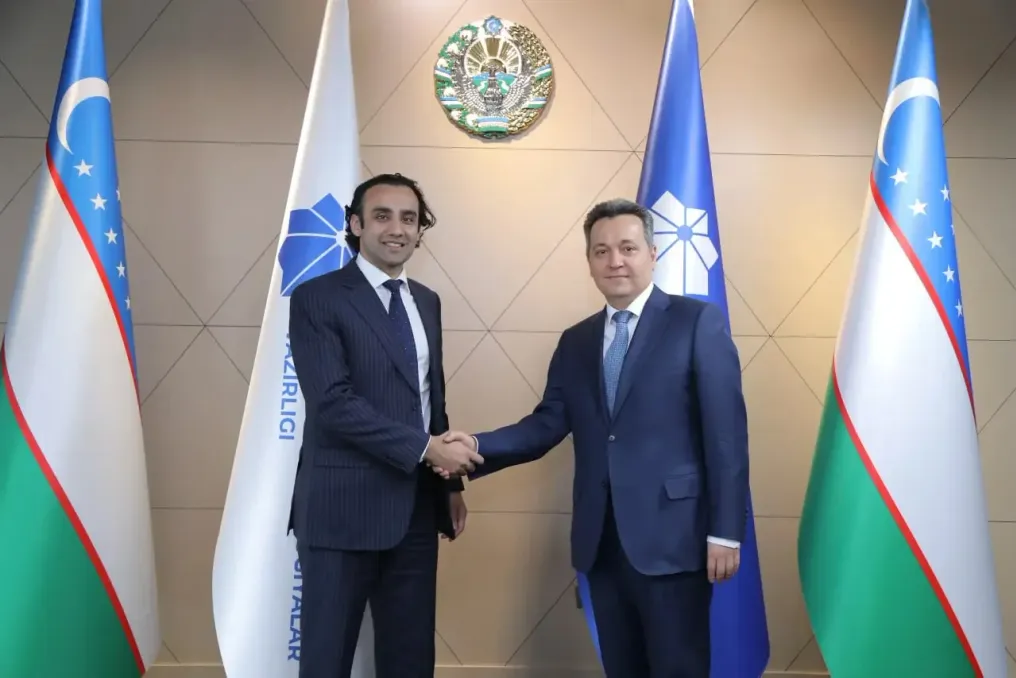
The discussions took place during a meeting between the Minister of Digital Technologies of Uzbekistan, Sherzod Shermatov, and the State Minister of Pakistan, Bilal Bin Sakib. One of the key issues of the negotiations was Pakistan's potential role in the digital economy, with a special focus on the effective utilization of the country's human capital, including IT specialists, freelancers, and technology companies.

Representatives from both countries examined prospects for joint work in the areas of artificial intelligence and data centers. Furthermore, the sides separately considered projects in green energy, including initiatives related to the development of digital infrastructure.

The importance of developing freelancer potential was emphasized. The parties noted the need to transition from a model where specialists primarily act as service providers to creating conditions for them to launch their own startups, digital products, and companies.

In this regard, Uzbekistan and Pakistan discussed harmonizing startup ecosystems in both countries, stimulating interaction between venture funds and technology entrepreneurs, and creating joint digital products. Promising areas identified included technological solutions for agriculture, medicine, and education that could be presented in the international markets of both nations.

Particular attention was paid to attracting Pakistani IT companies to Uzbekistan. The sides considered the possibility of creating operational conditions for such companies in the country and promoting Uzbekistan as a platform for entering the Central Asian and CIS markets.

Representatives also discussed opportunities under the 'Zero Risk' program, which aims to attract IT companies, including to regions of Uzbekistan. Under this program, companies can be provided with office space for a certain period, necessary equipment, employee training, reimbursement of costs for obtaining certain international IT certifications, and tax incentives.

Expanding mutual export of IT services was another area of negotiation. The sides stressed the importance of creating conditions for Pakistani specialists to participate in projects in Uzbekistan, exchange experience with local specialists, and jointly enter third-country markets.

After the negotiations, the Pakistani delegation visited the IT Park of Uzbekistan, where representatives of the organization spoke about support for foreign and domestic technology companies, the development of the IT industry, the increase in IT service exports, and the formation of a startup ecosystem.

During the visit, the delegation toured UZINFOCOM, where guests were shown the company's experience in implementing large digital projects, digitizing public services, as well as developing and implementing modern information systems and digital platforms. Additionally, Uzbek representatives presented information on the implementation of digital technologies in public administration and the provision of public services, integration of information systems, and the development of digital infrastructure.

Tehran and Baghdad Discuss Strengthening Cooperation in Information Technologies
Read more
www.tehrantimes.com

Tehran and Baghdad Discuss Strengthening Cooperation in Information Technologies

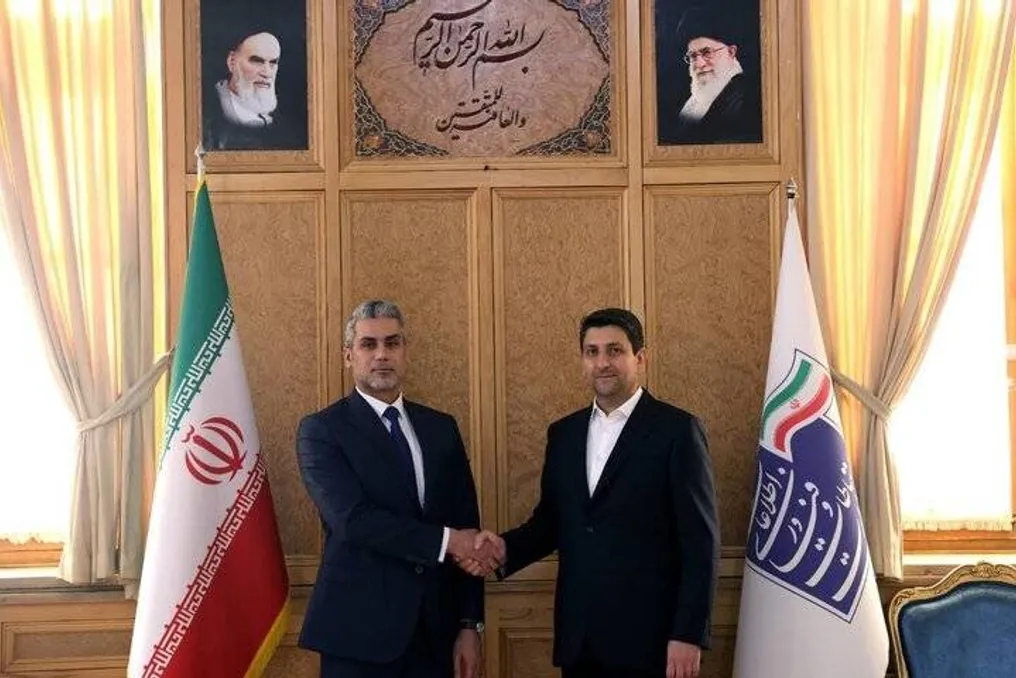
Sattar Hashemi, the Minister of Information and Communications Technology (ICT) of Tehran, and Yasser Abdulzahra Al-Hajjaj, the Iraqi Ambassador to Iran, emphasized the need to enhance interaction between the two countries in the ICT sector, with a particular focus on emerging technologies and the digital economy.

The meeting took place in Tehran on Monday to explore opportunities for developing technological partnership ahead of the visit of the Iraqi Minister of Communications, Mustafa Jabbar Sanad, to Iran next week, according to Mehr news agency. Hashemi noted that the potential of both countries in modern technologies and the digital economy could form the basis for implementing joint research projects and expanding cooperation.

He stated Iran's readiness to share its experience and achievements in areas such as communication infrastructure development, digital services, the digital economy, cybersecurity, and new technologies. Furthermore, it was announced that the Iraqi Minister of Communications has been invited to attend the International Exhibition of Electronics, Computers, and E-commerce (ELECOMP) in 2026, which will take place from August 31 to September 3. 'This visit will provide an excellent opportunity for Iraqi officials to familiarize themselves with the capabilities and capacities of Iranian companies operating in the ICT sector; it can also contribute to developing a roadmap for future cooperation between the two ministries.'

The official also expressed the ICT ministry's willingness to facilitate a greater presence of Iranian companies in the Iraqi market and promote technological interaction between the private sectors of the two countries.

For his part, Abdulzahra Al-Hajjaj stated that Baghdad welcomes improved cooperation with Iran, especially in the technological field. He expressed hope that the visit next week will foster new interaction between experts and companies from both countries.

In July, Mohammad-Mohsen Sadr, head of the Iranian Information Technology Organization, held a meeting with Mustafa Jabbar Sanad. This meeting took place on the sidelines of the first session of the UN Global Dialogue on AI Governance, convened by the UN General Assembly in Geneva on July 6 and 7. The parties discussed the role of information technologies and artificial intelligence in solving energy imbalances, creating smart infrastructure, increasing productivity in the energy sector, as well as in developing e-government and data transmission. They also spoke about expanding cooperation in digital transformation, exchanging technical expertise, and implementing joint projects.

Strengthening Technological Ties

In 2025, Hashemi and Nasir Abdul Mohsen Abdullah, former Iraqi Ambassador to Tehran, discussed ways to expand technological cooperation between the two countries. During this meeting, Hashemi detailed the ICT Ministry's strategic plan aimed at promoting technological diplomacy. The official emphasized the necessity of utilizing the potential of both countries as a link in the international transit route using Iranian infrastructure, according to Mehr news agency.

Referring to the capabilities of knowledge-based companies and the growth of the digital economy in the country, Hashemi noted that the private sectors of Iran and Iraq could cooperate in the mentioned fields. Abdullah, in turn, called for the development of partnerships, stressing that any efforts to strengthen relations would be constructive. The Iraqi official stated that the countries could expand cooperation in cybersecurity and the digital economy.

Both officials also stressed the importance of ensuring a reliable communication network to provide the best services to pilgrims during the Arbaeen pilgrimage. Additionally, they explored ways to activate cooperation in the ICT sector, particularly in the fields of Artificial Intelligence (AI) and e-government.

During the meeting held on January 30, 2025, in Tehran, Abdullah mentioned the large number of Iranian and Iraqi pilgrims, emphasizing that such extensive contacts require enhanced interaction. He then expressed Iraq's interest in advancing relations with Iran in areas such as AI, cybersecurity, and communication infrastructure, according to IRIB.

Highlighting the strengthening of cooperation between the two countries, the official stated: 'Trade between Iraq and Iran should reach $20 billion annually, part of which must be allocated to information and communications technology.'

For his part, Hashemi noted previous cooperation in cybersecurity and e-government, stating that 'knowledge transfer to Iraq is one of the main axes of cooperation between the two nations. Iran also plans to utilize the possibilities of artificial intelligence and would welcome cooperation in this area.'

The official proposed joint investments in international transit, fiber optics, and the creation of a large data center in Iran as other possible areas for cooperation. Hashemi also stated that ensuring a high-speed communication network for the Arbaeen pilgrimage should be included in the agenda.

Popular