Residents of South Africa can explore some of the country's wildest landscapes without paying a conservation fee as part of the SANParks Week promotion, which runs from September 7 to 13, 2026. Although Kruger National Park is likely the most famous, this annual initiative provides access to a much wider selection of national parks, including the country's less-known natural gems.
The opportunity to visit places such as the red rock landscapes of Karoo or the ancient baobabs of Mpungubwe, as well as the vast skies of Tankwa Karoo, allows for the discovery of something new while bypassing the usual daily entrance fee.
This free access offer applies to South African citizens visiting participating parks as day visitors. Visitors over 18 years old must present a valid South African ID, and children under 18 must present a valid birth certificate.
Parks Worth Visiting
If a visitor's preference leans towards open spaces rather than crowds of tourists, Tankwa Karoo is an excellent choice. Located in the rugged landscape between the Western and Northern Cape, this park is known for its understated Karoo scenery, vast skies, and sense of seclusion. During SANParks Week, visitors can explore the park from September 7 to 13 without paying the standard conservation fee. It is particularly suitable for travelers seeking scenic views, photography opportunities, stargazing, and a slow escape from city life. SANParks highlights Tankwa Karoo's dark skies and astrotourism potential, as well as off-road routes.
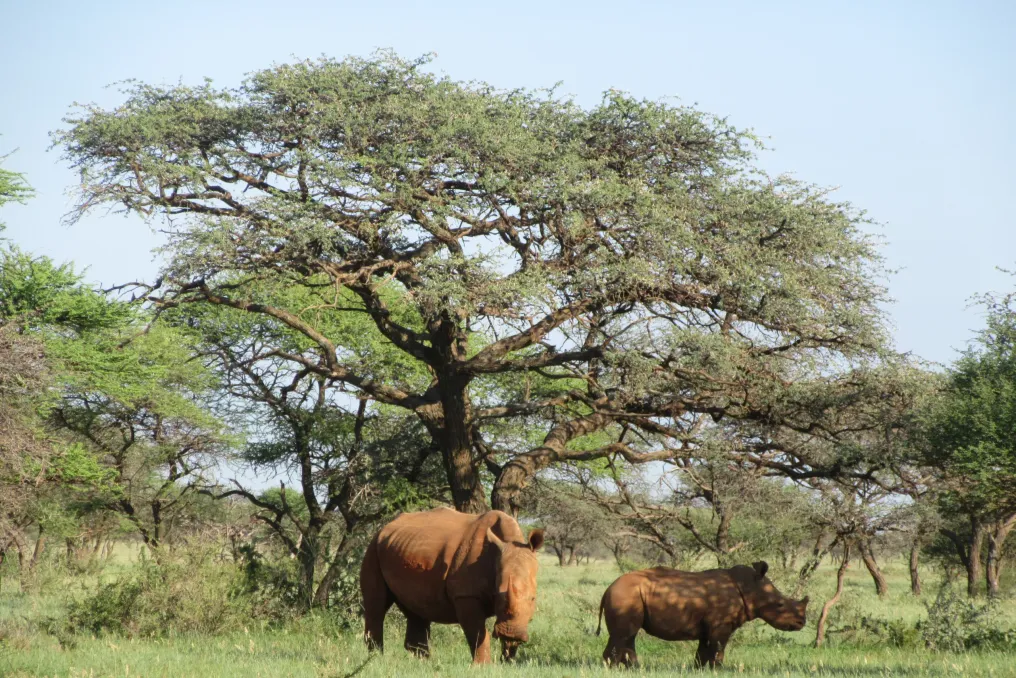
Near Kimberley, Mokala park often goes unnoticed in favor of larger South African reserves, yet it offers a glimpse into another side of local fauna. The park's landscapes are characterized by open grasslands, kopjes, and camel-thorn trees, with wildlife including black and white rhinos, buffalo, various antelopes, and birds. SANParks reports that during National Parks Week, visitors can engage in activities such as hiking trails, self-guided safaris, and bird watching, and the park's information center provides more details about it.
Kamdebo National Park
Located around the historic town of Karoo Graaff-Reinet, Kamdebo National Park combines dramatic landscapes with wildlife and one of the Eastern Cape's most recognizable natural attractions—the Valley of Desolation. The dolerite rocks and expansive views make it a wonderful choice for a scenic day trip. Visitors can also enjoy self-guided wildlife viewing, bird watching, hiking, picnic spots, and off-road routes. Free entry is available from September 7 to 13, 2026.
Mountain Zebra National Park
Near Kragendijk, Mountain Zebra National Park offers a chance to see one of South Africa's most characteristic antelopes against a backdrop of mountains, grasslands, and valleys. The park is also renowned for its avifauna; SANParks notes over 250 bird species, while visitors can explore self-guided wildlife viewing routes or use hiking and off-road trails. Free entry is available from September 7 to 13, 2026.
For travelers interested in the intersection of wildlife, landscapes, and history, Mpungubwe offers something entirely different. The park is situated at the confluence of the Limpopo and Shashe rivers, where South Africa, Botswana, and Zimbabwe meet. Its landscape includes sandstone formations, riverine forests, and massive baobab trees. The Mpungubwe Hill is also located here—an important archaeological site that provides insight into the early complex society that flourished in the region from approximately 900 to 1300 AD. However, it should be noted that free park entry does not mean all attractions within the park are free; activities on Mpungubwe Hill are paid and require advance booking.
The Golden Gate sandstone cliffs and golden mountains make this national park one of the most visually distinctive in the country. Located in northeastern Free State, the park suits those looking for mountain scenery rather than traditional safari. Hiking, scenic drives, horseback riding, and other activities are available, and the Kgodomodumo Dinosaur Interpretation Centre offers another reason to visit. Some activities, including a recently launched zip-lining adventure, are charged separately, so the free access offer should not be confused with completely free access to everything inside the park.
In the Waterberg region of Limpopo, Marakele park offers mountainous landscapes and wildlife in a setting that feels distant from more famous safari destinations. A key spot is the Lenong viewpoint, situated at an altitude of 2088 meters above sea level. Visitors can also drive independently through the park and potentially encounter members of the Big Five. Free entry is available from September 7 to 13, 2026.
Karoo National Park
Near Beaufort West, Karoo National Park is a good option for those who want to combine a road trip with wildlife and the unique landscapes of the Great Karoo. Visitors can spend a day using the self-drive route, exploring the fossil trail, stopping at picnic sites, or visiting the park's information center. The fossil trail is particularly valuable for families and anyone interested in the geological history of the Karoo. Free entry is available from September 7 to 13, 2026.
Garden Route National Park is also worth considering, especially for those already traveling along the southern coast. The Wilderness, Knysna, and Tsitsikamma sections participate in SANParks Week from September 7 to 13. Visitors can explore the forests, coastline, and trails of this area, including the recently restored suspension bridge at the Storms River mouth in the Tsitsikamma section. Free entry is available from September 7 to 13, 2026.
It is important to remember that free entry does not mean a completely free day. This initiative is intended for South African citizens visiting participating national parks as day guests. Adults aged 18 and over must present a valid South African ID, and children under 18 must present a valid birth certificate. The offer covers the conservation or day visitor entry fee in participating parks. It does not include accommodation, guided tours, safaris, commercial activities, or other attractions that usually charge separately. In other words, you can enter a participating park without paying the usual conservation fee, but you may still need to pay if you book a guided tour or another paid activity.
Most participating parks offer free access from September 7 to 13, but there are exceptions. Kruger National Park, West Coast National Park, and Augrabies Falls National Park only offer free access from Monday, September 7, to Friday, September 11. The shorter period for the West Coast is especially important for visitors hoping to combine SANParks Week with a weekend trip for wildflower blooming.
SANParks states that most of the 21 national parks participate, but Namaqua National Park is excluded from the free access initiative. In Table Mountain National Park, the Boulder's Penguin Colony section and the Table Mountain Aerial Cableway are excluded. The Cape Agulhas Lighthouse is also excluded from the free access offer. Free entry depends on the specific conditions of each park, and SANParks advises visitors to check the conditions of their chosen park before traveling. Individual parks may have different entry requirements and visitation restrictions. This makes planning in advance particularly important if you are traveling a significant distance for the day.
SANParks Week is more than just a way to save on entrance fees. It is a chance to discover some of the country's least obvious protected areas—places where the experience can be as dedicated to landscapes, history, geology, and birds as it is to large animal viewing. Whether it is the vast silence of Tankwa Karoo, the fossil-rich landscapes around Beaufort West, the Golden Gate mountains, or the archaeological heritage of Mpungubwe, there is much to explore beyond the famous gates of Kruger. With free day access starting on September 7, this week can be a time to include a lesser-known national park in your itinerary.