
Retail investors are driving the shift to direct mutual funds through digital access
Read more
Business Standard
business-standard.com

Retail investors are driving the shift to direct mutual funds through digital access

Retail investors have become the driving force behind the shift to direct investments in mutual funds, as their self-directed (DIY) assets have increased by more than fourfold over the past five years. Meanwhile, assets managed through regular plans have only doubled during the same period.

According to data from the Association of Mutual Funds in India (AMFI), the total retail Assets Under Management (AUM) grew from ₹1.6 trillion in March 2021 to nearly ₹7 trillion by March 2026. This significant growth in retail assets has led to a sharp increase in the share of direct investments over five years. By the end of March 2026, the share of direct plans in retail assets reached 36.7 percent, up from 21.4 percent in March 2021, as stated in the report.

The report, prepared jointly with CRISIL, notes that the preference for direct plans reflects a sustained expansion of self-directed investing, supported by improved digital access, increased product awareness, and growing cost sensitivity.

The share of direct plans has also risen among High Net-Worth Individuals (HNIs), although the growth rate here is not as high as among retail investors. The share of direct plans in HNI assets increased from 28.8 percent to 35.1 percent over the five-year period. In contrast, for corporate investors, the share of regular plans increased from 22 percent to almost 29 percent.

Investors can choose between direct and regular plans. Regular plans are distributed through intermediaries such as banks and agents and include fees for their services. Direct plans, however, do not require commissions and are intended for investors who are ready to manage the process themselves. These plans are available through the mutual fund companies' own websites and online platforms, such as Groww and Zerodha, which have played a key role in their expansion.

In recent years, the number of accounts opened on the direct side has surpassed those on regular plans. In the financial year 2026, direct mutual fund plans attracted 25.2 million net accounts, compared to 14.2 million on the regular side. This higher growth occurred despite an unfavorable stock market situation.

Experts attribute the larger inflow to the direct side to a surge in investor interest in Exchange Traded Funds (ETFs) and Gold and Silver Fund of Funds (FoFs). Gold and silver offerings from mutual funds demonstrated a sharp rise in fund inflows and portfolio additions in the second half of the financial year 2026.

Overall, direct plans accounted for 45.1 percent of the industry's total assets in March 2026, a slight increase from 43.4 percent in March 2021. This is partly because regular plans involve larger transaction sizes from private investors. The growth in the share of regular plans in institutional assets has also helped compensate for the sharp decline in the share of retail plans.
Similar stories

Net asset value of UzNIF increased by 6.1% in the first half of 2026
Read more
uzdaily.uz

Net asset value of UzNIF increased by 6.1% in the first half of 2026

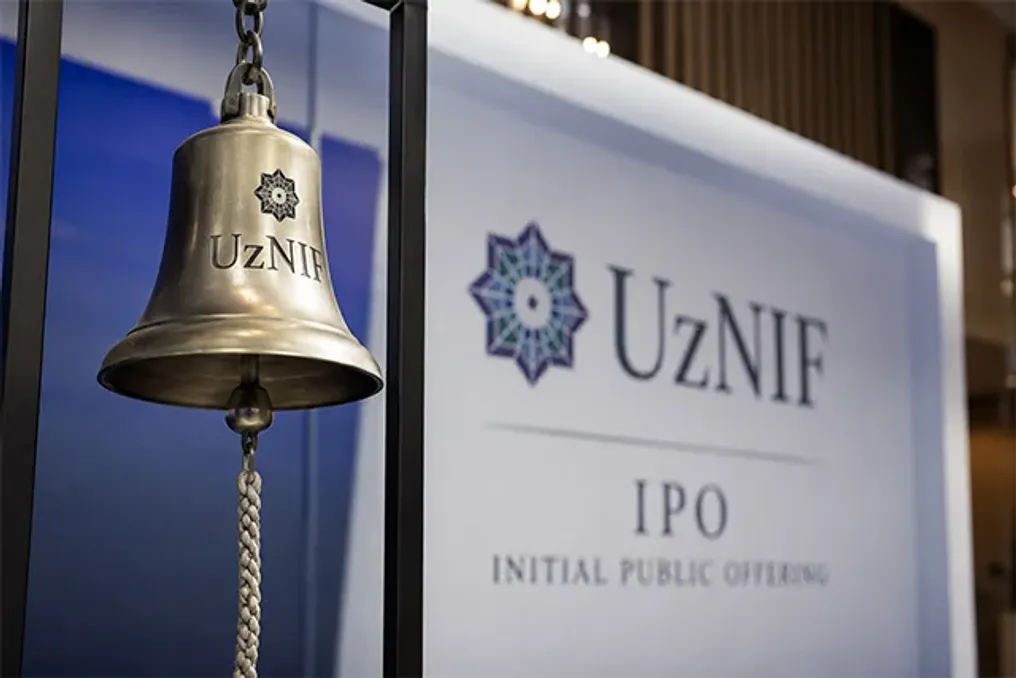
The National Investment Fund of the Republic of Uzbekistan (UzNIF) reported that its Net Asset Value (NAV) increased by 6.1% in the first half of 2026, reaching 31,670 billion soums (2.63 billion US dollars) as of June 30. This information was presented in a press release published in London and Tashkent on August 28.

The fund, whose shares are traded on the London Stock Exchange and the Republican Stock Exchange of Tashkent, disclosed preliminary financial results for the six months ending June 30, 2026. The NAV per share amounted to 6.2659 soums. After adjusting for the consolidation of shares at a five-to-one ratio, conducted in April 2026, the comparable NAV per share grew by approximately 6.1% compared to 5.9082 soums on December 31, 2025. The Fund attributed this growth primarily to the portfolio revaluation carried out in June 2026.

Since its listing on May 18, 2026, the price of UzNIF shares has risen by 21.5%, increasing from 4.65 to 5.65 soums. Meanwhile, the price of the fund's Global Depositary Receipts (GDRs) increased by 26.4%, reaching 31.60 US dollars from the previous 25.00 US dollars.

The main drivers of the portfolio value growth were the shares of Thermal Power Plants JSC (+114%), National Electric Grid of Uzbekistan JSC (+81%), and Regional Electric Power Networks JSC (+50%). The increase in the value of these enterprises is linked to positive regulatory changes in the electricity generation and distribution sector, including the introduction of the Regulated Asset Base (RAB) mechanism.

Additionally, Uzbektelecom JSC demonstrated a value increase of 30%, and SQB JSCB—an increase of 9%—due to improved operational performance and favorable macroeconomic forecasts.

During the reporting period, the Fund received gross dividends totaling 340,996 million soums from three portfolio companies: Thermal Power Plants JSC, Uzbek Republican Commodity Exchange JSC, and Uzbektelecom JSC.

After June 30, the Commission on Interdepartmental Tariffs approved revised regulated tariffs for electricity generation, transmission, distribution, and supply, as well as for natural gas transportation and supply services. The new tariffs came into effect on August 1 and were published by the Ministry of Economy and Finance on August 7. These tariffs apply to settlements between entities in the regulated energy sector and do not affect tariffs for households, enterprises, or other end consumers. The Fund's financial statements as of June 30 do not reflect these tariffs, and their impact on the portfolio companies is currently being assessed.

On August 13, the UzNIF Supervisory Board held an extraordinary general meeting of shareholders scheduled for September 16. The agenda included a proposal to appoint Hugh van Kutsem as an independent member of the Supervisory Board and to approve his remuneration terms.

UzNIF's stake in Uzbekhydroenergo JSC temporarily decreased to 37% after the company issued additional shares. However, after the reporting date and before the publication of the first-half report, the stake rose again to 40%.

On August 11, the Supervisory Board of Temiryulinfratuzilma JSC approved the appointment of a new Chief Financial Officer, whose candidacy was recommended by UzNIF. The new executive is expected to take office in early September.

Marius Dan, CEO of Franklin Templeton Asset Management LLC and Trustee of the Fund, noted that the first half of 2026 was a period of strengthening corporate governance and laying the foundation for increasing the value of portfolio companies following the Fund's successful IPO in May 2026.

According to Dan, as of June 30, independent non-executive directors and directors appointed by Franklin Templeton constituted the majority on the supervisory boards of 11 out of the Fund's 13 portfolio companies, including 10 newly elected independent non-executive directors.

Dan added that significant work remains for the Fund in transforming its portfolio companies, but the Fund is already observing positive momentum and continues to focus on creating long-term value for shareholders.

UzNIF was established under Presidential Decree No. PP-303 dated August 27, 2024, as part of Uzbekistan's economic reform program. The Fund holds a diversified portfolio, including stakes ranging from 25% to 40% in 13 state enterprises operating in the transport, financial services, energy, utility infrastructure, and telecommunications sectors.

Popular