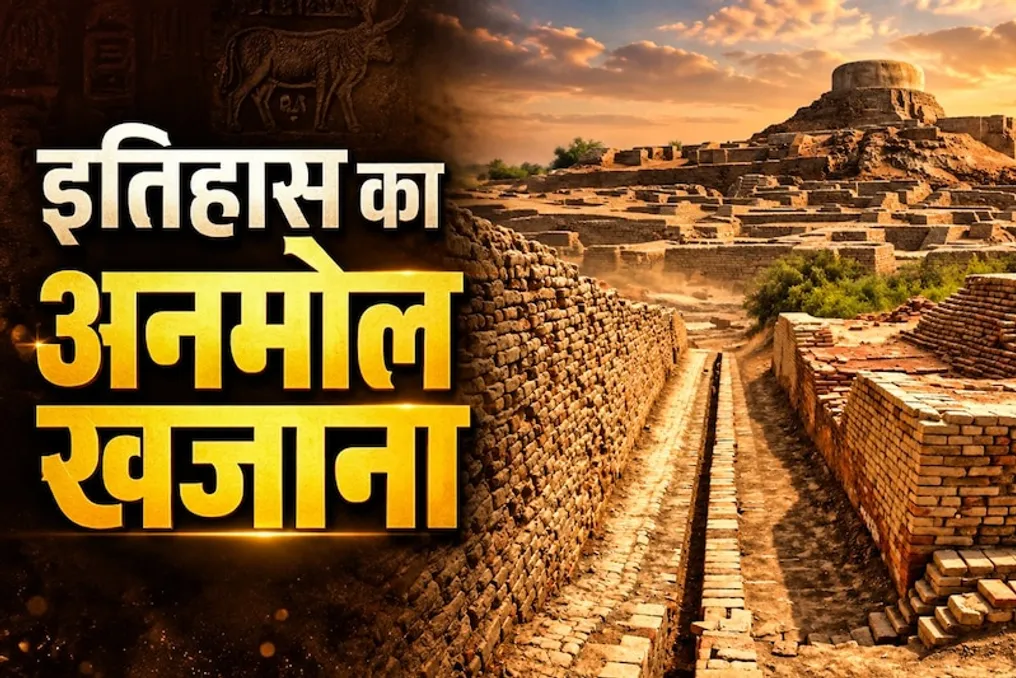
The city of Mohenjo-Daro, which is about 5000 years old, can surprise anyone interested in history and mysterious places. This settlement is a significant part of the Indus Valley Civilization. By examining the old buildings, streets, wells, and drainage systems, one can conclude that the city's inhabitants had a high level of organization when they developed their settlement thousands of years ago.
The main feature of Mohenjo-Daro is its excellent urban planning and drainage system. The construction of houses, streets, and canals was so orderly that it is considered a remarkable example of ancient engineering today. This is why tourists and history enthusiasts come from all over the world to study this unique heritage.
During a walk through Mohenjo-Daro, visitors are drawn to the wide and well-organized streets, as well as the architecture of the residential houses. Remains of many houses have been preserved today, demonstrating the presence of rooms, stairs, and water supply systems. Archaeologists suggest that some structures might have had two floors, as evidenced by the structures discovered during excavations.
The city was divided into different sectors. Main structures were located on elevated areas, while residential quarters were situated lower, highlighting the thoughtfulness of its layout. Excavations have uncovered remains of large buildings, markets, wide avenues, and residential areas, reflecting the advanced urban system of that time.
The most interesting aspect of Mohenjo-Daro is its drainage system. Numerous canals ran along the streets and served to drain water. Some of these canals were covered with bricks and limestone. It is surprising that such an organized system for managing sewage was created in the city thousands of years ago. Additionally, wells and other water supply-related structures can be seen here.
The Great Bath of Mohenjo-Daro, known as the Great Bath, is one of the most discussed structures at this site. It is presumed that it was used for communal bathing or other purposes. Its design and water retention technology continue to attract attention. Despite its great age, many parts of this structure remain visible, suggesting how meticulously construction was approached in that era.
Many artifacts found during excavations are displayed in the museums of Mohenjo-Daro. Among them are ancient seals, ornaments, pottery, and earthenware. These finds provide insight into the daily life and art of the people of the Indus Valley Civilization. The bronze statuette of a dancer is particularly noteworthy; although the original is now in the National Museum in New Delhi, information about it and a replica can be seen in Mohenjo-Daro itself.
One of the main puzzles associated with Mohenjo-Daro is how the Indus Valley Civilization ended. No single definitive reason for its decline has yet been found. Various theories are proposed concerning floods, climate change, and other factors, but the mystery of the end of this civilization remains unsolved. Its script is also enigmatic: many seals and objects belonging to the Indus Civilization bear signs that have not yet been fully deciphered. This makes many questions related to Mohenjo-Daro subjects of study and mystery for historians and archaeologists.
Visitors can tour the old streets, housing remains, wells, drainage systems, markets, and the Great Bath. The museum is also worth visiting, as it displays numerous items recovered during excavations. Visiting this ancient city gives the feeling of being in a settlement thousands of years old. The stone roads, house ruins, and water supply systems attest to the high degree of organization of the people of the Indus Valley Civilization.
Mohenjo-Daro is not just an archaeological site; it is a window into the world of history where many secrets remain undiscovered. Perhaps this is why, even after 5000 years, this place continues to evoke such keen interest in people.