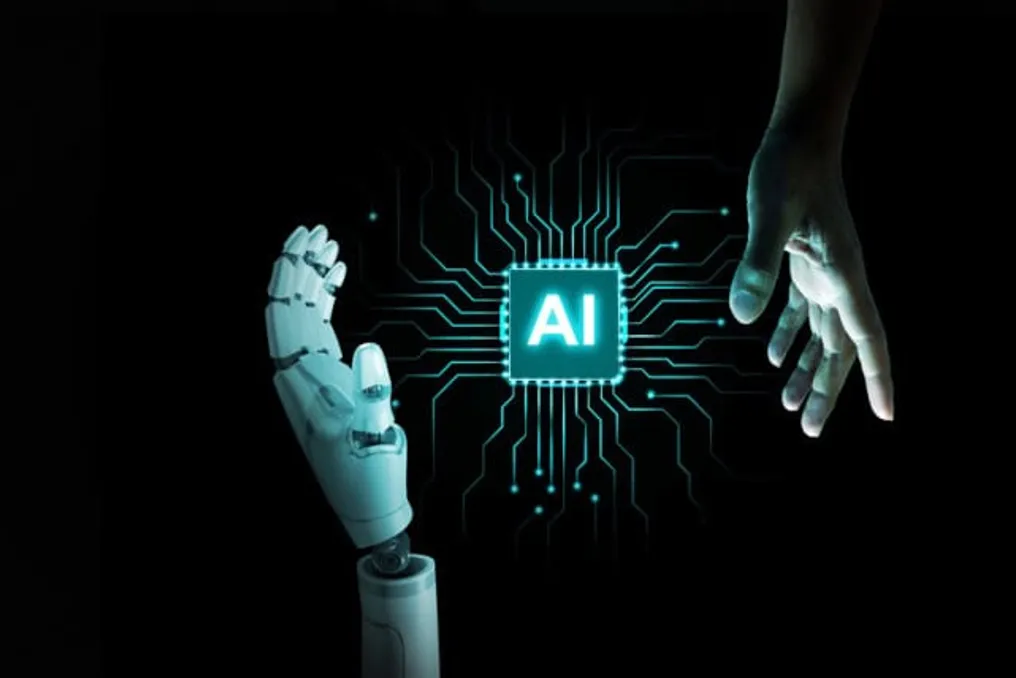
Conversations with artificial intelligences (AI) have placed an old philosophical question at the center of the technology industry: whether machines can possess feelings, consciousness, or experiences. According to The Economist magazine, AI companies are already beginning to seriously consider this possibility.
The interest transcends mere curiosity, because if an AI is capable of feeling suffering or other sensations, it would imply new ethical responsibilities regarding its creation and treatment. Although large language models are primarily designed to respond to users, many individuals report the sensation of interacting with a 'presence' on the other side of the screen.
This perception has attracted the attention of corporations. Anthropic, for example, has initiated projects focused on the potential well-being of AI. In response to questions about its own state, Claude Opus 4.6 assessed the probability of being conscious between 15% and 20%.
Challenges in Determining Internal Experience
The complexity arises when trying to define whether there is an internal experience without having direct access to it. One article presents a hypothesis that challenges the traditional view, suggesting that the recognition of consciousness may depend not only on an intrinsic characteristic of the being but also on the dynamic established with the observer.
When interacting with any entity, we tend to attribute intentions, beliefs, feelings, and capacities for action. The debate lies in knowing if something analogous can occur when dealing with a machine. The text distinguishes between 'illusion' and 'model'; while an illusion can be refuted, certain categories depend on the meaning conferred upon them, such as the example of a plant being classified as a weed in different contexts.
Consciousness could follow a line of reasoning similar to that proposed by René Descartes, who defined the certainty of existence by the phrase 'I think, therefore I am.' However, even the notion of a singular 'self' can be more complex than it appears. Subjective experiences, such as perceiving colors, feeling heat, or recognizing one's own identity, are central themes. Research conducted on patients with severed connections between cerebral hemispheres also raises doubts about the existence of an indivisible 'self.'
This scenario culminates in an ethical dilemma: if we are the ones who define who deserves to be considered conscious, we run the risk of making a mistake by excluding other beings from this consideration. The relationship between humans and AIs adds another dimension, given that humans constantly interpret the emotions and intentions of others, and large language models use interaction data to shape representations of interlocutors and adapt their responses.
Research on Intelligent Cooperation
As reported by The Economist, studies conducted by Google indicate that collaboration between intelligent agents improves when they are able to model the knowledge, intentions, or capabilities of others, including analyzing their own behavior.
This does not necessarily imply treating AIs as human beings. The fundamental question precedes this conclusion: as these machines advance in sophistication, how can we identify forms of intelligence distinct from our own and establish guidelines for this coexistence?