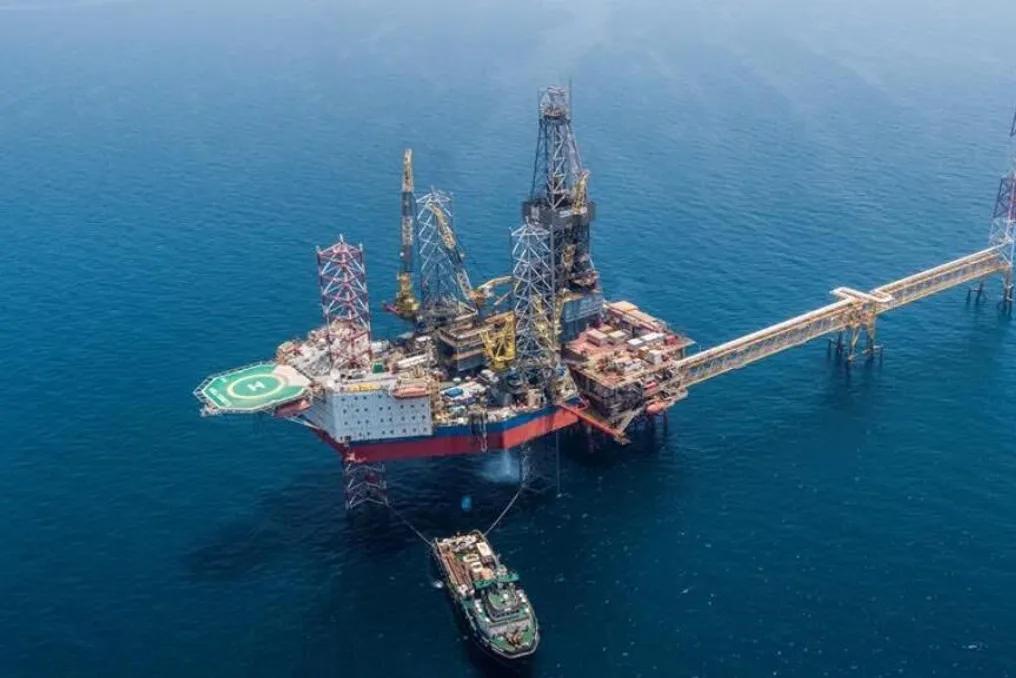
South Pars Phase 11 has demonstrated significant production growth and parallel development progress under the 14th government. Production at Site B, which previously stood at about 400 million cubic feet per day during the 12th and 13th governments, has now exceeded 915 million cubic feet per day. According to the work schedule, production will reach a maximum of 1 billion cubic feet per day in the coming weeks after connecting the 12th well.
At Site A, a 4000-ton jacket was installed, and the construction progress of the superstructure, which was around 4% at the start of the 14th government, has now reached almost 50%. According to IRNA, citing the Ministry of Petroleum, South Pars Phase 11 is considered one of the most important projects for the country's gas development due to its location in the border section of the shared South Pars field.
The development of this phase was carried out in previous years with the participation of companies such as Total and CNPC, but the withdrawal of these companies following the imposition of sanctions affected the project's progress. Subsequently, the phase's development continued through the capabilities of Iranian companies, with the Petropars group, a subsidiary of the National Iranian Oil Company, taking over the execution of the project.
During the 12th and 13th governments, Site B produced approximately 400 million cubic feet per day, utilizing the Phase 12D jacket and a platform transferred from Site 12C. In the 14th government, thanks to ongoing drilling, well completion, and their gradual connection to existing facilities, production at this site has reached over 915 million cubic feet per day. The project schedule stipulates that after connecting the 12th well in the coming weeks, production will reach 1 billion cubic feet per day—the maximum production capacity of Site B.
Simultaneously, the development of Site A has also shown impressive dynamics. At the beginning of the 14th government, the jacket at this site had about 35% readiness and had not yet reached the verticalization stage, while superstructure construction was in its early stages with about 4% progress. Currently, a jacket weighing approximately 4000 tons has been installed on its offshore section, and the superstructure construction progress during the 14th government has increased from 4% to almost 50%. More than 700 meters of piling work for the jacket installation have been completed.
The progress on this part of the project occurred amid limitations faced by Phase 11 due to sanctions, regional threats, and security issues. During the 40-day 'Third Imposed War,' the contractor at the 11A superstructure construction site was hit by several missiles, but construction work did not stop, and the project implementation continued.
Regarding the superstructure, in addition to the physical construction progress, a significant portion of the project's procurement items has been completed, especially long-term equipment. These components are currently being manufactured, tested, and transported to the contractor's site to prepare the superstructure for final stages.
According to the implementation plan, the superstructure progress will reach approximately 80% by the time of discharge, and after transportation, installation, and offshore commissioning, Site A will enter the production phase. Initial production at this site will begin with 4-6 wells, and the drilling of subsequent wells will continue in phases. Project estimates suggest that an average of one new production well will be commissioned every four months, with drilling lasting about three years until the full nominal capacity of the platform is reached.
South Pars Phase 11 is part of the Petropars Group's experience in developing South Pars. Petropars has participated in a significant portion of the development projects for this field, both onshore and offshore, completing more than half of the plans for developing the South Pars gas field in coastal and offshore sections.
The achievements of Phase 11 during the 14th government can be summarized by three main indicators: increasing production at Site B from approximately 400 million cubic feet per day during the 12th and 13th governments to over 915 million cubic feet per day in the 14th government, moving towards maximum production of 1 billion cubic feet after connecting the 12th well; installing a 4000-ton jacket at Site A; and advancing superstructure construction during the 14th government from about 4% to almost 50%. This trajectory, along with continued drilling and well completion, will increase the production capacity of Phase 11 in the coming years.
The South Pars gas field is a giant accumulation of natural gas located in the Persian Gulf, shared between Iran and Qatar. It is the world's largest gas accumulation with reserves exceeding 2000 trillion cubic feet (tcf). The field is being developed in 24 phases and is the basis of Iran's energy supply, providing approximately 70-80% of the country's domestic gas needs.
Phase 11 is the last undeveloped phase of this shared field and is strategically important due to its location on the maritime border. Initially, in 2017, a contract worth $4.8 billion was signed with a consortium led by Total from France and CNPC from China, but both companies withdrew from the project after renewed US sanctions, leaving the Iranian domestic company Petropars to execute the project.