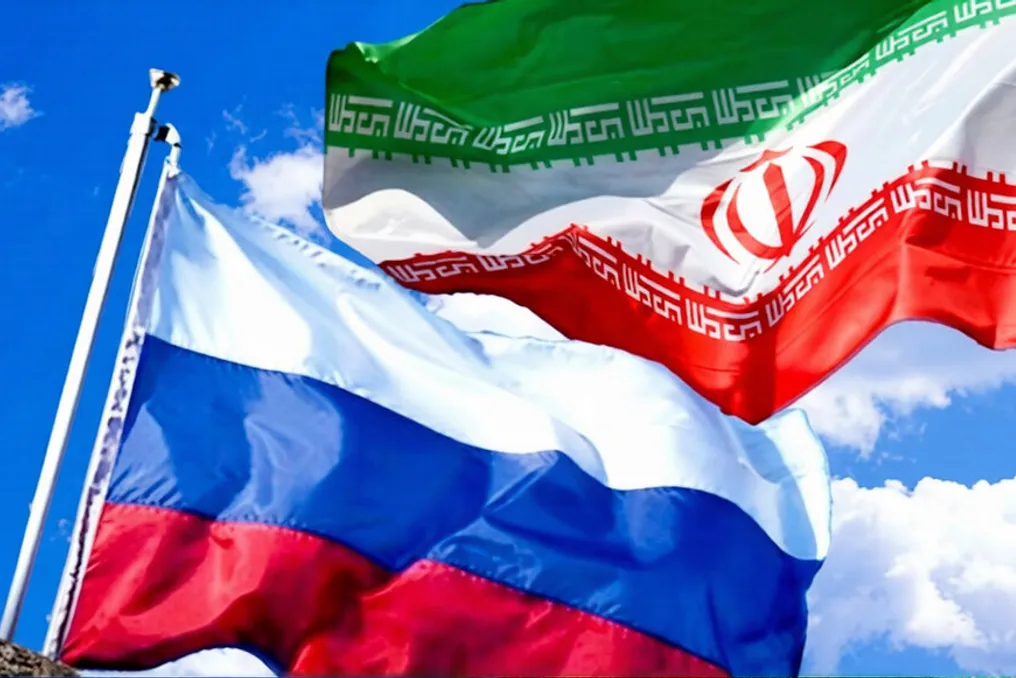
Imam Sadiq University and the Russian Presidential Academy of National Economy and Public Administration (RANEP) have planned to hold a second joint educational course titled 'Modern Technologies in Public Administration' this autumn.
As reported by the IRNA agency, the first joint course, dedicated to the topic 'Digital Transformation in State Administration,' took place last winter. The goal of the current course is to familiarize managers and specialists with modern approaches, strategies, methods, and tools of public administration, as well as to utilize the experience of the Russian Federation in increasing the efficiency, transparency, and accessibility of state management.
The educational program will focus on three main areas. The first includes modern management technologies and methods, current trends in public administration, the experience of Russia and the world, strategic planning, forecasting, project management, and human resource management.
The second area is dedicated to digital transformation in public administration, covering the basics of digitalization, international standards for strategic planning in digital development, Russia's experience in e-government, Government Technology (GovTech), and portal technology platforms (GosTech), as well as interaction between the state, citizens, and business through digital feedback and artificial intelligence as the driving force of transformation.
The third area focuses on a citizen-centric approach, including its fundamentals, key aspects, practical strategies, global experience, implementation tools, and the consequences of adopting such an approach.
The course will be held in an online format and will last about 45 days, including three learning modules, a panel discussion, specialized webinars, study of electronic content, and online training events. Professors, specialists, and researchers from the Higher School of Public Administration (GSPM) of RANEP will serve as instructors for the second course.
In June, the Iranian Minister of Science, Research and Technology, Hossein Simai-Sarraf, and the Russian Minister of Science and Higher Education, Valery Falkov, discussed strategies for developing scientific, educational, and academic cooperation between the two countries. Special emphasis was placed on expanding exchanges of teachers and students, strengthening research cooperation, and facilitating academic contacts.
During the phone conversation, Simai-Sarraf expressed hope for the early organization of personal meetings of the parties in Tehran and Moscow. He also announced an upcoming meeting of presidents of leading Iranian and Russian universities in Tehran and proposed the development of Russian language departments in Iranian universities and Persian language departments in Russian universities as a sign of deepening scientific and cultural ties.
For his part, Falkov noted the start of a new admission period at Russian universities and welcomed Iranian students, wishing to emphasize the importance of creating jobs and utilizing the academic potential of graduates after their return to Iran. He also raised the issue of the decreasing number of Russian universities approved in the Iranian evaluation system and called for a review of the methodologies for assessing and recognizing educational qualifications.
Simai-Sarraf continued, emphasizing the readiness of the Ministry of Science, Research and Technology to consider the evaluation system of Russian universities and develop joint educational and scientific cooperation. The parties also agreed to continue working on student and teacher exchanges and to expand scientific interaction between the universities of the two countries. The discussion concluded with mutual confirmation by Simai-Sarraf and Falkov regarding the continuation of consultations, strengthening academic partnership, and planning personal meetings in the near future.