The Chinese space station Tiangong, like the International Space Station (ISS), is visible in the night sky with simple binoculars or, under ideal conditions, with the naked eye, due to its intense brightness which surpasses most terrestrial stars.
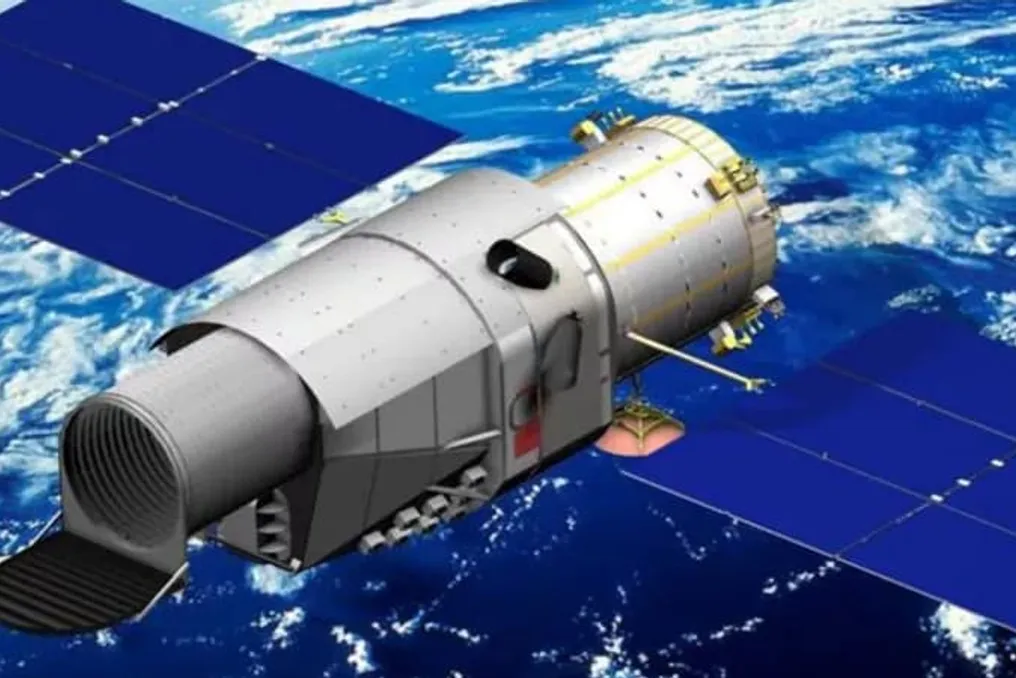
Starting next year, the observation of Tiangong will feature a new component, making it appear as a double star. This will happen because the China Manned Space Agency (CMSA) is scheduled to launch the Chinese Space Station Telescope (CSST), known as Xuntian. This equipment will weigh 15 tons and will act as a kind of 'mini-moon', orbiting very close to the main structure.
A notable feature of Xuntian is its ability to connect to Tiangong whenever maintenance, refueling, or updates are required. This innovative system eliminates the need for complex and dangerous repair missions in space, a challenge that historical instruments like NASA's Hubble Space Telescope faced.
The name Xuntian means 'sky patrol'. Although slightly smaller than Hubble, the new Chinese telescope offers a 300 times larger field of view. Over its ten-year mission, it aims to map approximately 40% of the entire sky using high-resolution images.
In addition to the partner telescope, China plans to expand Tiangong itself by incorporating new solar panels and modules. The purpose is to modify the current shape of the station, which resembles the letter 'T', transforming it into a 'double T' and increasing its total mass to about 180 tons.
To enable this expansion, Chinese astronauts recently conducted spacewalks to repair panels and install reflectors intended to mitigate space debris. These improvements ensure the electrical stability required by the new modules. When the ISS is decommissioned, expected around 2030, Tiangong will establish itself as the largest human structure in space.