Agricultural projects managed by local communities in Limpopo are helping rural communities create sustainable livelihoods while strengthening food security and opening up income opportunities.
According to Paul Stone, a CorpsAfrica staff member responsible for partnerships and philanthropy, these initiatives demonstrate how local resources, community input, and agricultural skills can transform existing land and infrastructure into productive farming enterprises.
One example is the Tshwarishano Chicken Project in Tikeyline. It was established after community members identified unemployment and food security issues as major challenges. As Stone noted, the community decided to restore an abandoned chicken coop from a previous failed project and took responsibility for this initiative.
This group of seven people includes three young women and four adults. Stone reported that participants raised 26,600 rand over seven fundraising cycles by selling beans and atchar, while the community members themselves provided labor and materials for repairing the poultry structure.
The first production cycle started in September 2025 with 200 chicks. Each cycle takes about six weeks, and the sale of chickens is done either for 90 rand cash or 100 rand on credit. The project has now increased production to 500 chicks per cycle, allowing participants to earn 2,000 rand each in the last two cycles.
For treasurer Rachel Komana, this initiative restored a sense of independence and self-esteem. Komana shared that she is now like other people and can walk to work independently with a bag.
Molelekeng Seodi gained practical agricultural experience through this program, after which she enrolled in a local college to study agricultural sciences.
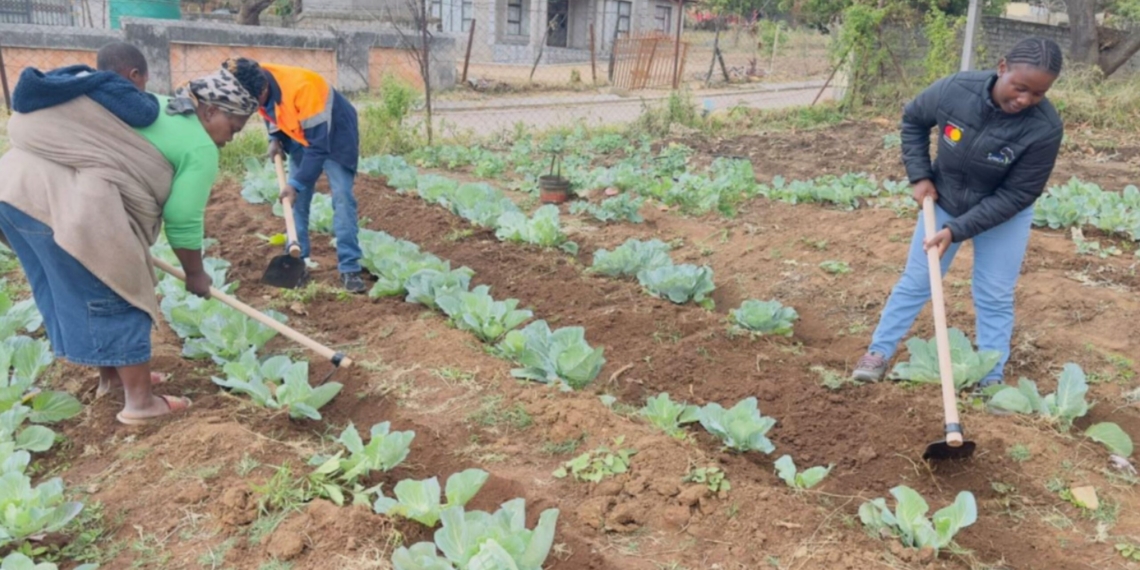
In the Matshaelapata cooperative Areikemeng Primary, led by women and consisting of seven people, vegetable farming shows potential for improving rural life. Stone specified that the cooperative processes about four hectares of fenced land near the dam, growing green peppers, tomatoes, sweet potatoes, beetroot, maize, green peas, cucumber, spinach, and young corn.
The cooperative faced some crop losses during floods in Limpopo in January-February 2026, but managed to harvest the remaining crops and reinvest the revenue into seeds for the next planting cycle. Furthermore, they established market links by supplying produce to the Tshwane market in Pretoria, as well as selling additional goods within the local community.
Between February and March, the cooperative earned 3,836 rand from the sale of green vegetables and young corn, while green pea sales were recorded between March and April.
Stone also mentioned that the Makwale Poultry Farm in Khlokhlokwe created six jobs for community members. Although these positions are not permanent yet, the project provides opportunities for income generation and entrepreneurial experience. She explained that through the production and sale of chickens, the project reached about 1,500 community members, giving them access to local poultry.
In Ramongoaona, the four-person Bakone Poultry Farming project similarly uses poultry farming to address unemployment and limited income opportunities. The goal of this initiative is to increase household income, strengthen food security, and create jobs, especially for youth and women.
Stone emphasized the value of the second cohort of communities testing agricultural enterprises before receiving external support. In Ga-Makibelo, a group of 12 women contributed 500 rand each, raising about 6,000 rand to start a business. Before receiving funding from CorpsAfrica, the group had already completed three production cycles, purchasing 400 chicks, selling 361, and earning 36,100 rand. After deducting production and maintenance costs, the group made a profit of 12,180 rand.
Since then, the group has diversified its activities, adding the production of spinach, morogo, and beetroot, using chicken manure as organic fertilizer. The project directly supports 12 women and created temporary construction jobs for six men, while about 57 family members benefit indirectly. More than 200 community members have access to local poultry and vegetable products.