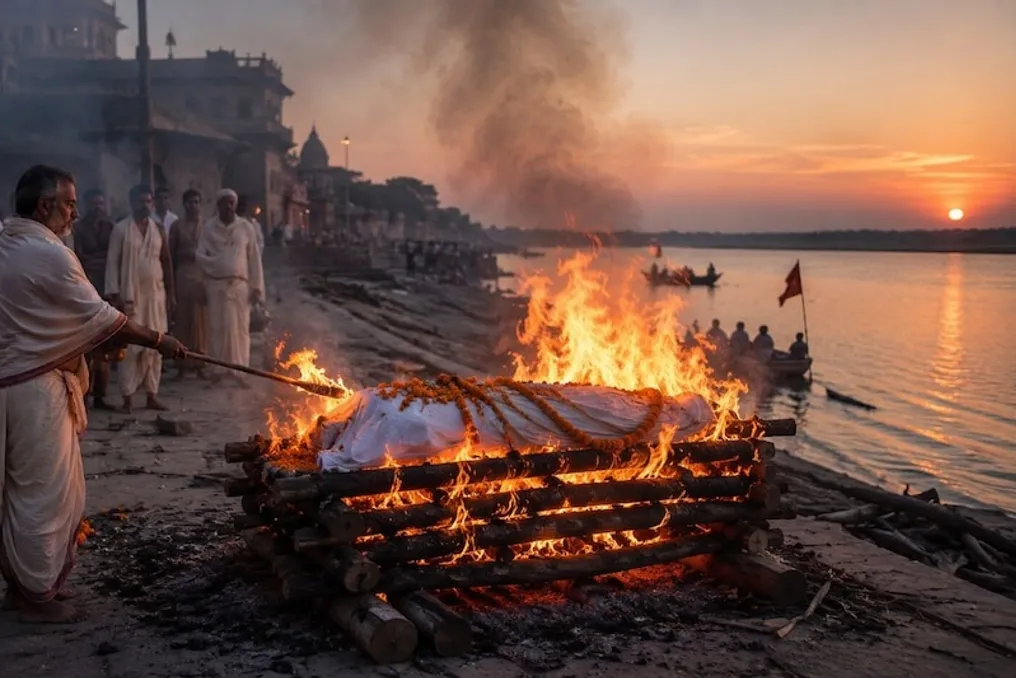
The Puranas, compiled by Maharshi Vedhhasa, as well as Hindu religious traditions, describe numerous rules concerning the fate of the soul after death, as well as the rituals of Shraddha, Tarpana, and Pindadana. One such special ritual is Narayana Bali. According to religious beliefs, this rite is performed after death under certain exceptional circumstances.
It is believed that through this ritual, prayers are offered to Lord Vishnu to attain peace and a good destiny for the deceased soul. In one episode related to Narayana Bali, Garuda Deva asks Lord Shri Hari Vishnu questions about the fate and death of people whose deaths occurred under unusual circumstances or about whom the family does not have complete information.
Under what circumstances is Narayana Bali performed?
According to religious beliefs, this special ritual is performed in cases of sudden death, accident, unusual demise, or in situations where funeral rites and other rituals could not be conducted according to customs. Narayana Bali is also mentioned in these specific religious injunctions.
There is a belief that if, for any reason, the burial of the deceased and subsequent rituals could not be completed according to classical or family traditions, special rites may be performed upon the advice of a qualified Acharya. The main purpose of Narayana Bali is to pray to Lord Vishnu for the peace and good destiny of the deceased.
Different timelines specified for different varnas
Some ancient religious traditions mention different timeframes for symbolic cremation or burning of the putalika in special cases. These traditions established separate periods for Brahmins, Kshatriyas, Vaishyas, and Shudras. However, currently, adherence to these methods may vary depending on the region, family, and religious tradition. Therefore, before conducting any special ritual, it is considered advisable to seek guidance from a competent priest or Dharmacharya.
Where is Narayana Bali performed?
According to religious traditions, special rites like Narayana Bali are performed in sacred places. These may include locations near a river or lake, clean water bodies, temples, or any holy place where Lord Vishnu is present. During the ritual, worship of Lord Vishnu and Tarpana for the deceased soul is performed using Vedic and Puranic mantras. The host of the ritual remembers Lord Vishnu, using water, akshata, and other items for worship.
During Narayana Bali, prayers are offered to Lord Vishnu, meditating upon him, requesting peace and a favorable future life for the deceased soul. According to religious beliefs, Lord Vishnu is considered the one who grants liberation (moksha) and saves from the ocean of Samsara. Therefore, special reverence is paid to Lord Narayana in this rite. The host prays to God that the deceased may be granted tranquility and their journey forward may be auspicious.
Establishment of images and vessels
In some traditional injunctions, symbolic images of various deities, including Brahma, Vishnu, Rudra, Yama, and a symbolic representation of the deceased person, are installed for special worship. Various vessels are set up for them, and worship is performed according to established rules. During the religious ritual, clothing, yajyopavita, flowers, and other items for worship are offered. After this, the process of Shraddha and Tarpana concludes with the chanting of mantras.
Some ancient injunctions mention the creation of a putalika or human figure as a symbol of the deceased. This is particularly relevant in cases where the body of the deceased is inaccessible or their burial was not conducted according to the usual procedure. Kusha, wood, and other traditional materials are used to create this symbolic figure.
The ritual of the effigy
After preparing the putalika or symbolic body, it is consecrated according to established rules. Water sanctified by mantras is used, and Lord Vishnu is remembered. Some traditions also prescribe worship of Shilagrama. After this, wishes for peace and moksha are expressed for the deceased soul.
In religious traditions, great importance is given to giving, Tarpana, and Shraddha during Narayana Bali. Some injunctions mention the offering of clothes, til, grain, metals, and other items. Ancient traditions also highly value Gana (donation of cows). It is believed that prayers offered through compassion and means help the deceased attain peace.
What happens after symbolic cremation?
After the completion of worship and necessary religious rites, the symbolic effigy undergoes cremation. Then, purification rituals, Tarpana, and Shraddha are performed according to tradition. Some traditions mention the need to follow special rules for a certain period.