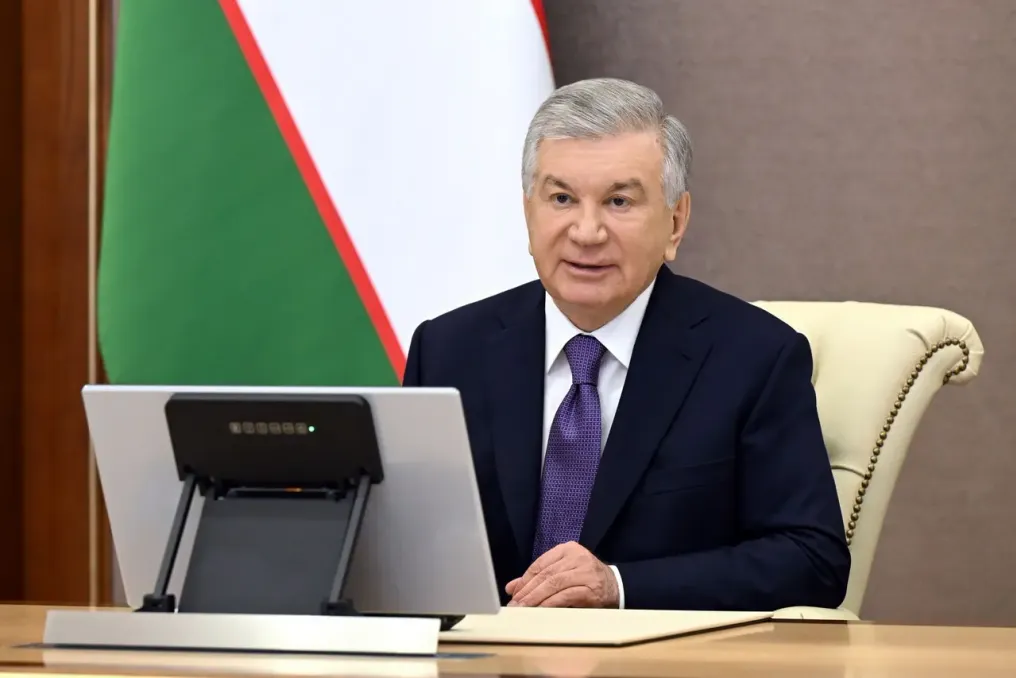
The President of Uzbekistan, Shavkat Mirziyoyev, reviewed and approved proposals for transforming the national system for training, state registration, and continuous education of medical and pharmaceutical personnel.
These reforms were developed with the participation of local and international experts, as well as taking into account recommendations from universities in Cambridge, Harvard, and Pennsylvania. The main goal of the changes is to shift the focus of training towards practical skills and align educational frameworks with international standards.
According to the plan, enrollment in medical universities will be determined by regional needs and the shortage of specialized doctors, while state orders are approved directly by the Ministry of Health.
Changes in Curricula
Starting from the 2027/2028 academic year, the existing 'General Medicine and Treatment' program will be replaced by a six-year bachelor's program titled 'General Medicine.' This new program mandates one year of practical training after five years of study, after which graduates can work as general practitioners.
The training of highly qualified specialists will gradually transition into the residency system, and master's programs will focus on scientific research and academic activities. Furthermore, initiatives for dual education will be expanded in the field of pharmaceutics, involving drug manufacturers.
Registration and Qualification Assessment System
The strategy introduces a mandatory state registration system and a unified electronic registry of medical workers, which integrates with 16 different databases. Independent qualification assessment will be launched voluntarily in 2027 and become mandatory by 2030; after this date, specialists without registration will not be able to work.
The certification process includes basic, clinical, and specialized exams supported by a unified test bank and simulation centers. Specialists who join the voluntary phase in advance will receive monthly financial bonuses: up to five times the minimum wage for senior staff and 2.5 times for mid-level staff.
Continuous Professional Development
A system of continuous professional education based on credit modules will also be implemented. Senior medical and pharmaceutical staff are required to undergo training equivalent to at least 50 credits annually, while mid-level staff must accumulate 28 credits. Specialists can choose accredited local or international educational institutions, and both in-person and distance learning will count towards qualification renewal. Special administrative centers will be established to manage specialist registration, qualification testing, and education accreditation.