Uzbekistan and Mongolia have reached an agreement on the joint development of a new environmental initiative. The goal of this initiative is to restore degraded lands and mitigate the effects of sand and dust storms in Central Asia and the Gobi region.
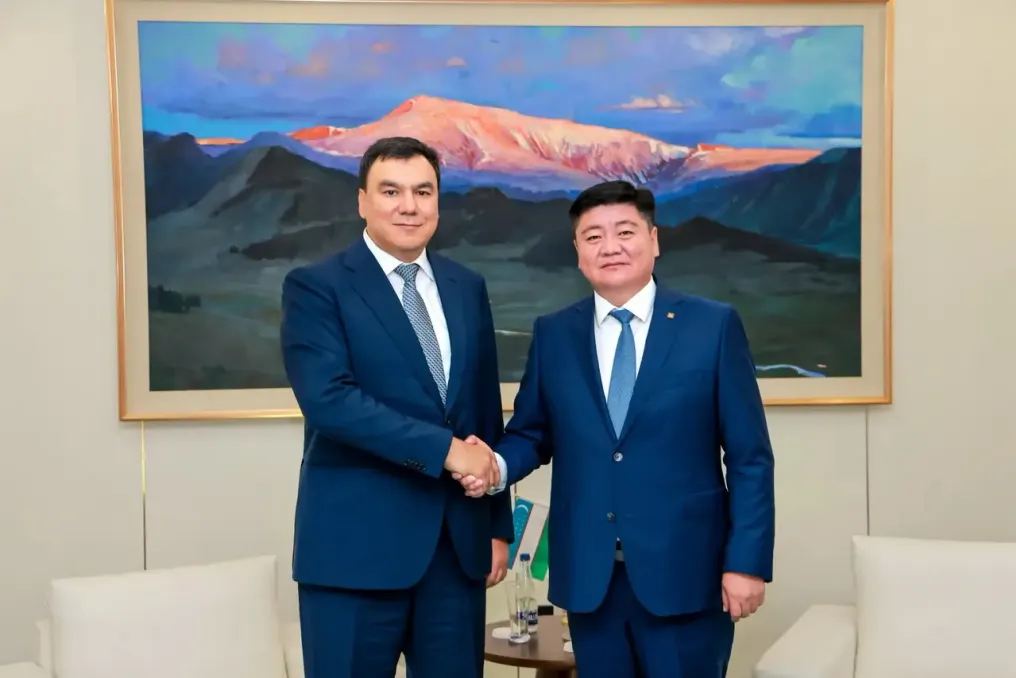
The decision was made during a meeting between Aziz Abduhakimov, Advisor to the President of Uzbekistan on environmental issues and Chairman of the National Committee on Ecology and Climate Change, and Ts. Sandag-Ochir, Minister of Environment and Climate Change of Mongolia. This official initiative has been named the 'Aral-Gobi Partnership for Ecosystem Restoration of Arid Lands and Reduction of Sand and Dust Storms' and marks a transition to joint project preparation and attracting international climate financing.
The agreement provides for the creation of pilot zones in both countries, assessment of priority areas, and the development of specific proposals for restoring degraded pastures and lands. The comprehensive approach includes sustainable land resource management, rational water use, pasture restoration, prevention of soil degradation, and adaptation of agriculture to climate change.
To finance these large-scale efforts, both countries plan to jointly prepare applications to obtain international financial resources from institutions such as the Adaptation Fund, the Global Environment Facility, the Green Climate Fund, and the World Bank. A central element of this strategy is the proposed CA+M Land Project Preparation Facility, which is intended to transform initial-stage concepts into investment-ready environmental projects.
The initiative addresses common environmental problems of the Aral Sea region and the Gobi Desert, which suffer from land degradation, desertification, and severe dust storms. Mongolia's current chairmanship of the United Nations Convention to Combat Desertification provides an additional international platform for advancing the joint agenda.
In addition to direct land restoration, the partnership aims to expand cooperation in scientific, technological, and economic fields. This includes remote land monitoring, digital mapping of degraded territories, and the use of nature-based solutions. Officials view the Aral-Gobi framework as a basis for a broader regional mechanism that could ultimately involve other Central Asian countries in systemic joint strategies for climate change adaptation.