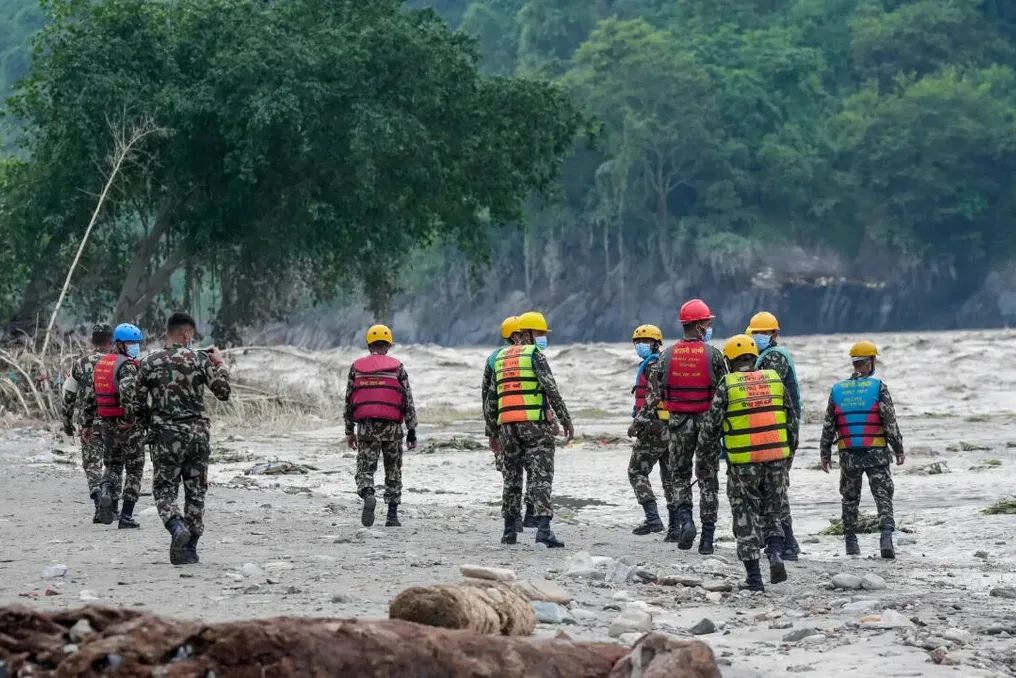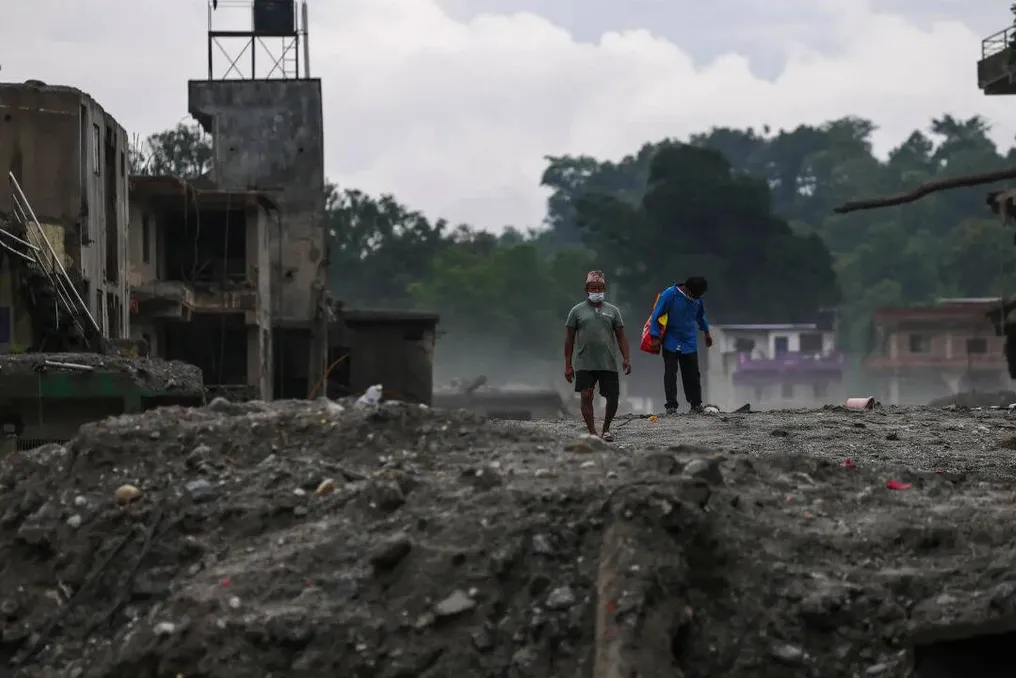
The Ministry of External Affairs stated on Friday that developed countries are obligated to take the initiative in reducing emissions and supporting developing nations through financial aid and technology transfer. India reiterated its position that climate action must be guided by the principle of common but differentiated responsibilities.
These statements were made by MEA spokesperson Randhir Jaiswal following devastating flash floods in Nepal and amid questions regarding climate change compensation from major economies, including India, China, and the United States.
During a weekly press briefing, Jaiswal noted that India has consistently argued that climate change is a global issue. He stated: 'I understand that the Nepali side has also issued a clarification. Nevertheless, I want to say that India has consistently maintained that climate change is a global problem, and any actions in this regard must be based on the principle of common but differentiated responsibilities and respective capabilities.'
According to Jaiswal, countries historically responsible for emissions should lead the efforts to solve this problem and provide support to developing countries. The MEA spokesperson added: 'Developed countries, which have historically been responsible for emissions and have significantly contributed to the humanitarian crisis, must take the initiative in reducing emissions and supporting developing countries through financing and technology transfer to address this issue.'
Jaiswal also reported that India expressed solidarity and support for Nepal after the tragedy and will continue to assist the country in recovery and rebuilding efforts. He clarified: 'After this tragedy, we expressed our solidarity and support to the government and people of Nepal. As a close friend and partner, India responded immediately, and we will continue to support the recovery and rebuilding efforts in the country.'
Referring to the gratitude of Nepal's Prime Minister Balendra Shah for India's assistance, Jaiswal mentioned that Prime Minister Narendra Modi spoke with his Nepali counterpart after the natural disaster and conveyed India's support. He noted: 'We saw that the Prime Minister of Nepal thanked us for our support... our Prime Minister spoke with the Prime Minister of Nepal and conveyed that India stands shoulder to shoulder and offers all its support to Nepal during this crisis, and will provide any necessary assistance.'
Meanwhile, Nepal's Foreign Minister Shirish Kanali clarified on Thursday that neither he nor the Government of Nepal had requested climate change compensation from India, China, or the United States. Kanali told the news agency ANI: 'Neither I nor anyone in the Ministry of Foreign Affairs or the Government of Nepal has claimed or asked for compensation from India or any other country, including China or the United States.'
Kanali also emphasized that Nepal's appeal was directed at the global community to view this disaster through the lens of climate change and its impact on the country. He added: 'Our appeal was to the global community to consider this disaster from the perspective of climate change and its impact on Nepal.'
Furthermore, Kanali stated that India, China, and Nepal share common ecological ecosystems and must cooperate in preparing for the consequences of climate change in the Himalayas. He stressed the need to look beyond one-off disaster relief and consider the long-term effects of rising temperatures and climate change on local communities.