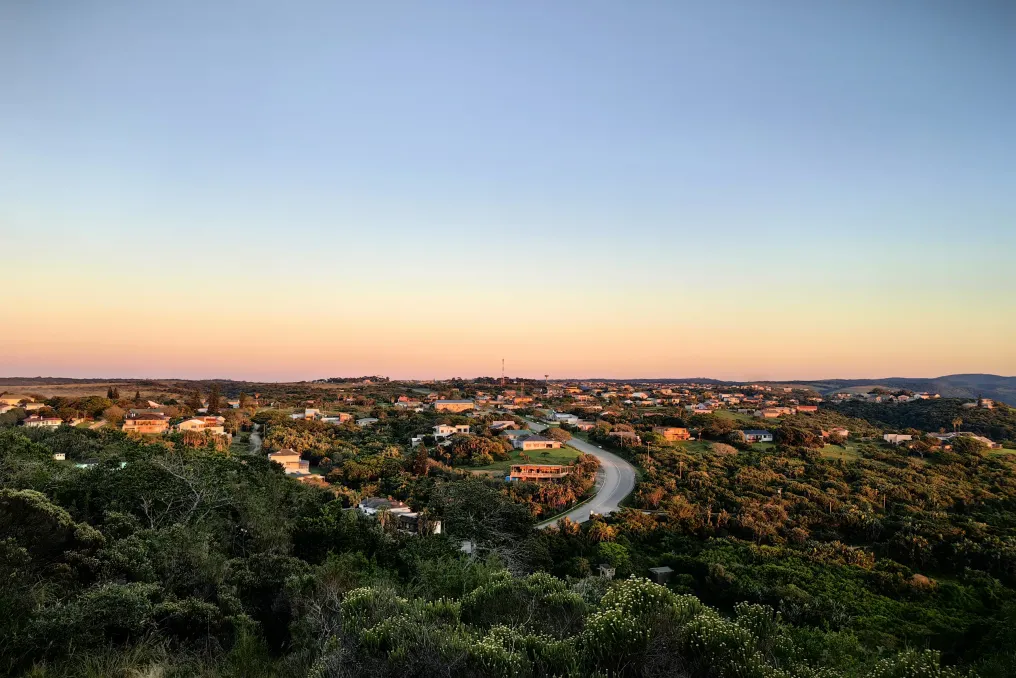
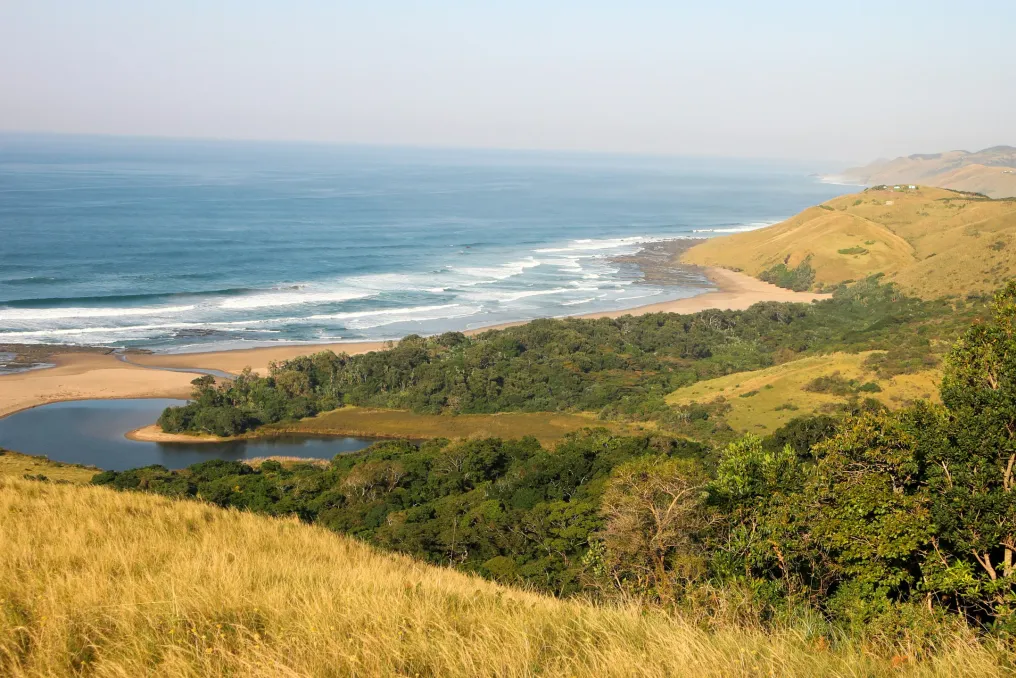
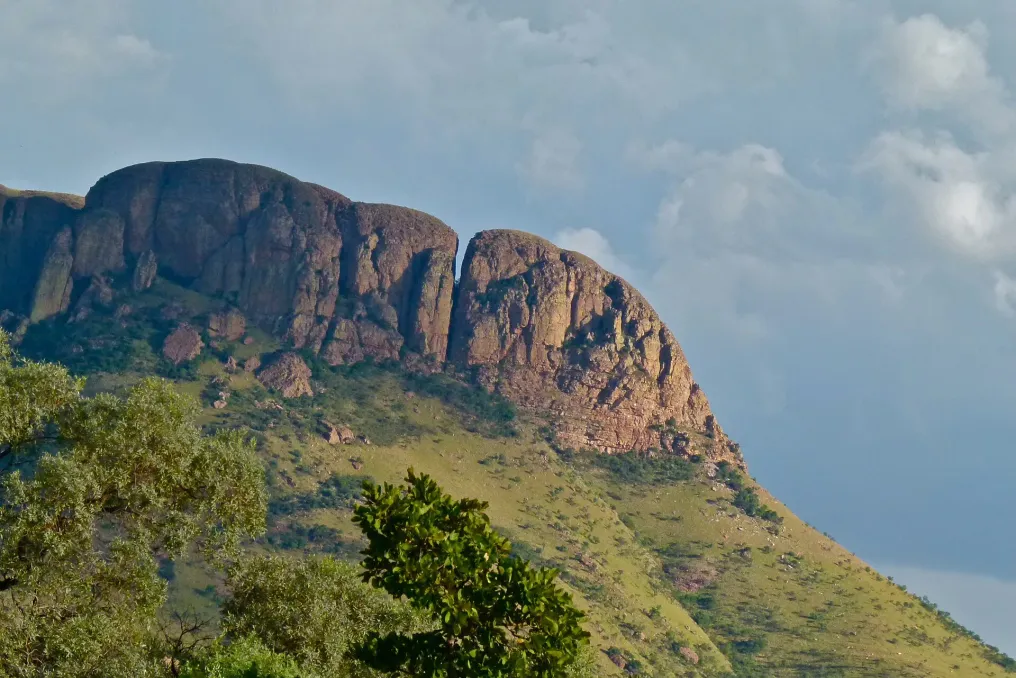
Two-Day Getaway in Waterberg: A Tranquil Trip to Marakele National Park
Read more
Getaway
getaway.co.za

Two-Day Getaway in Waterberg: A Tranquil Trip to Marakele National Park

There is a certain satisfaction in enjoying nature that does not require a week-long vacation or a long flight. In the Waterberg region, the landscapes begin to transform even before you reach the gates of Marakele National Park. The roads lead onward, the city noise gradually disappears, and the mountains begin to surround you.

Located approximately 250 km north of Johannesburg, near Tabazimbi in Limpopo, Marakele is situated in the Waterberg Mountains. This makes a two-day escape from Gauteng refreshingly simple. SANParks estimates the travel time from Gauteng at about four hours, which allows enough time for a long weekend without feeling like you've just driven to the nearest reserve.

The park's name translates to 'place of refuge,' and it fully justifies its meaning. Marakele is located in the transition zone between the drier western and wetter eastern regions of the country, which undoubtedly creates a surprisingly diverse landscape, including mountains, plains, and bushveld. This combination allows one to feel immersed in a world of wonders from the moment of arrival.

With a two-day stay, there is a natural desire to immediately start ticking off a list of planned activities; however, it is recommended to resist this impulse and allow yourself simply to be there. The first day is best spent settling into the camp, unpacking, and getting used to the rhythm of the wilderness.

Marakele offers many accommodation options, but Tlopi Tented Camp is particularly suitable for a short break. This camp is located near the Apiesrivierport dam, offering furnished tented modules, private bathrooms, fully equipped kitchens, and verandas with water views. It is about 17 km from the park reception area, so there is no need to rush anywhere after check-in.

Enjoy cooking dinner yourself at the camp, having a cold drink, and sitting outside as the light slowly fades. The lighting between the modules is dim, and SANParks strongly advises visitors to bring a flashlight or headlamp after dark. Since Tlopi is not fenced, it is not a place for evening walks outside your tent and terrace.

Similar stories

Road Trip from Clerrens to Golden Gate National Park: Discovering the Sandstone Landscapes of the Free State
Read more
getaway.co.za

Road Trip from Clerrens to Golden Gate National Park: Discovering the Sandstone Landscapes of the Free State

There are road trips whose goal is the destination itself, and there are those where the journey becomes part of the reason for the trip. The drive from Clerrens to Golden Gate National Park perfectly fits the latter category.

Only 20 kilometers separate the small town of the Free State from the sandstone cliffs of Golden Gate, but this is not a journey to be rushed. Following the R712 road from Clerrens, the landscape begins to transform almost radically: galleries, cafes, and sandstone buildings of the town give way to vast grasslands, rugged mountains, and majestic walls of ochre stone.

This is one of those routes where you will probably stop simply because the view demands it. Clerrens, known as the 'Pearl of the Free State,' is an obvious starting point for this adventure.

The town is surrounded by mountains and is famous for its sandstone architecture, art, crafts, galleries, and restaurants. It is also part of the famous sandstone route of the eastern Free State, where the colors of the rock change dramatically throughout the day, especially early in the morning and late in the evening.

Before setting off, take enough time to enjoy Clerrens itself. Have a hearty breakfast, stroll through the galleries, buy something interesting for the road, and do not rush to view this town merely as a convenient overnight stop before entering the rocky mountains. Because once you leave, the landscape will speak for itself.

From Clerrens, the R712 road leads directly to Golden Gate National Park. The drive to the park is only about 20 km from the town, making it a rare example of an escape where you can transition from coffee and croissants to dramatic mountain scenery in less than half an hour.

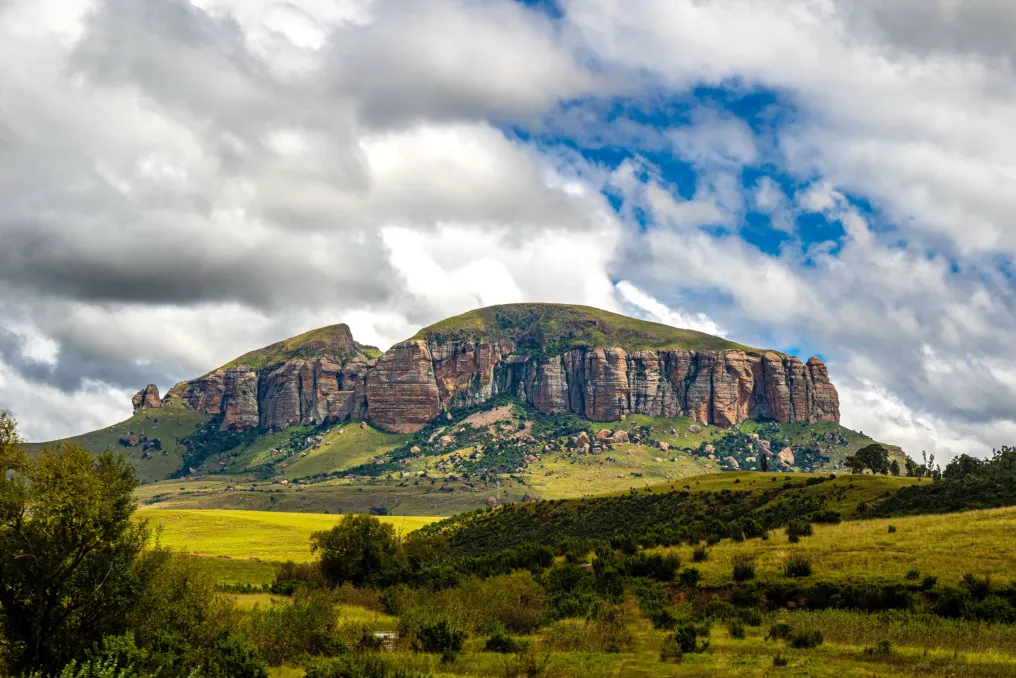
And suddenly, you are there. Golden Gate gets its name from how the sun illuminates the park's sandstone cliffs, coloring them in vibrant shades of gold, orange, and red. These cliffs belong to the Clerrens formation, which was formed from sandstone deposited by ancient sand dunes.

Over millions of years, wind, water, and erosion have shaped the sandstone into the cliffs, caves, and unusual formations seen today. Brandwag Buttress is perhaps the most recognizable of these formations, towering over the landscape like an ancient sentinel.

It is here that the road trip begins to feel less like a drive and more like an expedition into another version of the Free State.

The temptation on any road is to keep moving. This time, do not succumb to this temptation. Golden Gate National Park is a destination in itself, offering hiking trails, wildlife, bird watching, scenic drives, as well as geological and cultural heritage to explore.

If you only have a few hours, choose one of the shorter walks instead of trying to see everything. The Mushroom Rock Trail takes about an hour and is classified as an easy walk, while the Echo Ravine Trail leads to a natural chamber carved by wind and water in the sandstone.

There is also the Brandwag Buttress Trail, which takes about an hour, and the longer Vodhaus Peak Trail for those who want to spend more time walking. And if hiking is not for you, just driving through the park is a reason enough to visit. A public road runs through Golden Gate, and the sandstone formations rise easily on both sides.

Don't forget to look around. Golden Gate is home to 54 species of mammals and 256 registered species of birds, so a scenic drive can easily turn into an unexpected wildlife viewing session.

One of the newest reasons to stay in Golden Gate is the Kgodumodumo Dinosaur Interpretation Centre. Opened in June 2025, the centre combines the paleontological, archaeological, and geological history of the region with Basotho traditions, including exhibits of fossils, dinosaur eggs, and demonstrations about the region's ancient past, including some surprisingly old dinosaur specimens.

The centre is named after a Sesotho legend of Kgodumodumo, a mythical giant creature said to roam the mountains. It is an interesting reminder that this landscape has always held stories.

Currently, the centre is open daily from 08:00 to 16:00, although it is advisable to check SANParks before your trip for the latest visitor information.

If there is one thing around which to plan your trip, it is definitely the light. The sandstone cliffs of Golden Gate are stunning throughout the day, but at sunset they appear to blaze. Yellow hues deepen into orange and red, and shadows begin to stretch across the valleys. At this moment, the name Golden Gate suddenly gains its full meaning.

To experience this moment, you don't need to do much. Find a safe place to stop, get out of the car, and watch the color of the mountains change. There is something wonderfully simple in that. No route or tourist attraction to tick off a list, just the Maluti Mountains, the sandstone cliffs, and the slow disappearance of the sun.

The beauty of the Clerrens-Golden Gate route is that you don't need a week to appreciate it. A weekend is quite enough to explore the landscape and truly immerse yourself in all the beauty this adventure offers.

Dedicate the first day to exploring Clerrens, and then head to Golden Gate the next morning. Spend the day driving through the park, stopping at viewpoints, taking one of the short trails, and visiting the dinosaur centre. You can stay in the park or nearby, or return to Clerrens in the evening. If you have more time, Golden Gate offers many reasons to stay longer, including horseback riding, bird watching, hunting, and longer hiking trails. There is also the Basotho Cultural Village, which gives insight into the heritage and traditions of the Basotho people. And for those looking for something bolder, Golden Gate's newest attraction is a seven-cable zip line system launched in August 2026.

But you don't have to fill every hour. The freedom to do nothing or to do everything you choose simultaneously is both liberating and incredibly exciting.

The drive from Clerrens to Golden Gate may only be 20 km, but it feels like a much grander escape. And perhaps that is what makes it so extraordinary.

To feel like you have arrived somewhere, you don't need to drive for hours. Sometimes a quiet road, a full tank of gas, a combination of curiosity and adventure, and endless mountains waiting to be explored and admired at the end of the road is enough.
Great Kei Region Exploration: Rivers, Beaches, and the Khosa Culture in 72 Hours
Read more
getaway.co.za

Great Kei Region Exploration: Rivers, Beaches, and the Khosa Culture in 72 Hours

Great Kei is a quieter corner of the Eastern Cape where the river meets the sea, and small coastal settlements transition into green hills and rural landscapes. Over a period exceeding 72 hours, one can explore places such as Kei Mouth, Morgan's Bay, and Haga Haga, enjoying beaches, walks, local cuisine, and learning about the Khosa culture.

A journey through Great Kei should begin at Kei Mouth, where the Great Kei River flows into the Indian Ocean. This river originates where the Black Kei and White Kei rivers converge, northeast of Kathcart, and flows approximately 320 kilometers to its mouth at Kei Mouth. It has long shaped the landscapes and communities around it, remaining a popular spot for fishing, water sports, and bird watching.

One of the most memorable spots is the historic Kei Mouth ferry. This vehicle ferry connects to Great Kei and leads into the wild coast. It is also one of Kei Mouth's main attractions and a reminder of the close connection between travel in this part of the Eastern Cape and the river. Time should be set aside to watch the ferry pass before moving along the coast.

The mouth of the Great Kei is a natural place conducive to slowing down. Depending on conditions, one can spend a day fishing, birdwatching, kayaking, or exploring the river by boat. The estuary and surrounding vegetation support diverse avifauna, and the river itself remains an important part of the area's recreational life.

If the preference is for the land, one can take a walk through Kei Mouth and along the coast. The area also provides access to trails leading into Morgan's Bay. Relaxed and local dinners are recommended; Great Kei is not meant for rushing between restaurants and attractions. Its appeal lies in long meals, seafood, rustic food, and evenings outdoors. One can stay overnight in Kei Mouth or slightly further, in Morgan's Bay.

Traveling along the coast between Morgan's Bay and Haga Haga involves a change in the Great Kei landscape: from riverine areas to beaches, cliffs, rocky shores, and small coastal villages. The start of this section is Morgan's Bay, also known as Gxarha, where a long beach is situated beneath dramatic coastal cliffs. The beach is popular for walks, and trails lead along the cliffs to the Cape Morgan lighthouse. The cliffs themselves rise approximately 50 meters above the waves, making this a prime spot for coastal views.

For a longer walk, the routes continue towards Dobbel Mouth reserve and further to Haga Haga. The distance from Morgan's Bay to Dobbel Mouth is about 4 km, and the path to Haga Haga adds another 8–9 km, so planning must account for physical fitness and weather. The Cape Morgan lighthouse is also a worthwhile stop. From Morgan's Bay beach, the trail leads to the lighthouse through coastal and wooded terrain, then continues towards Kei Mouth. This is a good example of what makes this stretch of the Eastern Cape special: no tight schedule is required, as the landscape itself provides most of the entertainment.

Next is Haga Haga, a small coastal village known for its beach, stone coves, and relaxed atmosphere. The municipality describes Haga Haga as a family-friendly coastal destination with safe swimming beaches and ocean views. It is an ideal place to do little: stroll on the beach, explore stones at low tide, have lunch, and watch the waves. For travelers with children, it is a simple place to spend several hours due to the shallow stone coves and calm rhythm.

The second night can be spent in the Haga Haga or Morgan's Bay area. There are numerous accommodation options in the wider area: from hotels and lodges to self-catering units and campsites. The Great Kei municipality lists tourist offerings such as Morgan Bay Tourism, Crawfords Beach Lodge, Olivewood Private Estate, and Yellowwood Caravan Park.

On the final day, it is recommended to leave the coast and venture inland. Great Kei is more than just its beaches. Inland, the landscape becomes more rural, featuring farms, villages, and open land stretching towards Kumre (Komge). The municipality extends from the Indian Ocean to the Kubusi River, with the landscape becoming drier as one moves inland. Kumre, better known as Komga, is a service and business hub for the surrounding agricultural areas and offers a different perspective of Great Kei than the coastal villages.

Instead of viewing the town as a quick stop, the trip inland should be used to appreciate the changing scenery. Roads pass through farmlands and rural settlements where the pace of life noticeably differs from more well-known coastal destinations. The rural areas around Great Kei also play an important role in the region's cultural identity. The municipality emphasizes traditional storytelling, cultural tours, historical sites, and everyday rural life as ways visitors can experience the Khosa heritage in the area.

Where possible, one should choose experiences organized by locals rather than simply passing through. A guide, a community experience, or a meal prepared by local hosts can add context to the landscapes you traverse. Food is an especially good way to immerse oneself in history. Opportunities to try traditional dishes and local delicacies should be sought, allowing hosts to explain the ingredients and traditions behind them.

In the afternoon, one can return to the coast, leaving enough time to stop at viewpoints and small villages along the way. If there is another night, one can return to Morgan's Bay or Kei Mouth and conclude the trip by the water. If further travel is planned, the main connection to the broader Eastern Cape road network is provided by the N2 road.

Great Kei is not dependent on a single main attraction. Its appeal lies in the combination of various landscapes: the river and its estuary, the old ferry in Kei Mouth, the cliffs and beaches of Morgan's Bay, the quiet shores of Haga Haga, and the inland rural communities. Together, they create a place that feels distinctly like the Eastern Cape, without requiring a packed itinerary. It also serves as a reminder that the Eastern Cape coast extends far beyond the more famous Wild Coast destinations. In Great Kei, one can experience beaches, rivers, hiking, food, and Khosa heritage within a relatively compact area. The best way to get to know this region is to move slowly: follow the river, stop when a view catches your eye, eat local food, and leave room in the plan for unplanned stops.

Always check local conditions before entering the water. The Great Kei municipality temporarily closed Kei Mouth beach in January 2026 after the discovery of a dead whale shark and reports of sharks at several municipal beaches. Conditions and closures can change, so current local notifications should be checked before swimming, surfing, or fishing.

Three-Day Trip Along the Wild Coast's Quiet Shore: A Route from Morgan Bay to Haga Haga and Keitemaout
Read more
getaway.co.za

Three-Day Trip Along the Wild Coast's Quiet Shore: A Route from Morgan Bay to Haga Haga and Keitemaout

When South Africans start talking about the Wild Coast, they often mention Coffee Bay, but a road trip along this coast can begin much further south, along a quieter stretch of the Eastern Cape's coastline.

About an hour's drive from East London, the coastal settlements of Morgan Bay, Haga Haga, and Keitemaout offer a gentler way to experience this part of the country. Here, dramatic cliffs meet long beaches, forest trails lead to the sea, and the Great Kei River marks the boundary between the more well-known Eastern Cape coast and the wilder landscapes further inland.

This journey is not just about ticking off sights; it is about spending three days traversing a small section of the coast and allowing each location to reveal a different facet of the Wild Coast.

One can start in Morgan Bay, or Gxarha, a small seaside town whose nature speaks for itself. This settlement is located about 90 km from East London and is known for its wide beach, lagoon, and high sea cliffs. The English name Morgan Bay comes from Cape Morgan, which was named in 1822 after A.F. Morgan, a master of the Royal Navy reconnaissance vessel Barracout. The colonial name remains on maps, although the local name in isiXhosa is Gxarha.

The appeal of Morgan Bay is obvious and simple. The beach is long enough for a leisurely stroll, and the lagoon offers calmer water than the open sea. It is a place where morning hours can easily dissolve between swimming, reading a book, and walking on the sand.

However, it is the cliffs that lend Morgan Bay its drama. One can follow trails along the coastline to enjoy sweeping views of the Indian Ocean, or walk from the end of Morgan Bay beach to the tidal pool and the forest trail leading to Cape Morgan lighthouse. From there, the route continues towards Keitemaout. Morgan Bay is also connected to the longer Strandloper trail, which runs along this stretch of coast from Keitemaout through Morgan Bay and Haga Haga before continuing south to Gonubi.

If travelers have the energy for further exploration, they should head to Double Mount Nature Reserve. The reserve offers camping, hiking, bird watching, fishing, swimming, surfing, and canoeing, making it an easy detour for those who prefer spending the first day outdoors rather than in the car.

Along this coast, there is also a fascinating layer of maritime history. In the open sea near Double Mount, a Portuguese ship, the Santo Espírito, sank in 1608. Historically, fragments related to this wreck, including Chinese blue-and-white porcelain and carnelian beads, have been found along the coast.

In the afternoon, return to Morgan Bay, preferably to a spot with cliff views. The best activity here is not to plan the evening too meticulously. Morgan Bay works because it allows you to stop trying to make every hour productive.

The drive to Haga Haga begins to feel like a real escape, not just a short weekend. This small coastal town is situated south of Morgan Bay, surrounded by hills and the Indian Ocean. It remains one of those places where the landscape, rather than a tight itinerary, is the main attraction.

The history of Haga Haga is linked to inland farmers who began coming to the coast in the early 20th century to graze livestock in winter. There are several possible origins for the village's unusual name. One explanation connects it to the isiXhosa phrase 'Haka Haka', which can be interpreted as 'to attach', relating to joining oxen to traverse difficult sections of the route. Other versions of the story have been passed down through generations, fitting for a place with folklore that has become part of its own name.

Upon arrival, there is no need to rush. Haga Haga is made for slow days on the coast. One can walk on the beach, explore the rocks and rock pools, swim when conditions allow, and spend time gazing at the sea. The village is also suitable for hiking, bird watching, fishing, and mountain biking. During whale migration season, the coast may offer opportunities to see whales and dolphins from shore.

This day should be left free in the schedule. Take a packed lunch to the beach. Walk until you feel the urge to turn back. Sit somewhere overlooking the water and watch the weather change. There is something increasingly rare in places that do not try to turn every natural feature into a scheduled experience. Haga Haga still offers this luxury. If Morgan Bay is defined by its cliffs, Haga Haga is defined by its silence. Stay long enough to notice.

On the last day, one must turn north towards Keitemaout, where the coast meets one of the Eastern Cape's most significant rivers. The Great Kei River is formed by the confluence of the black Kei River and the white Kei River before emptying into the sea at Keitemaout. Historically, the river served as the southwestern border of the Transkei region, and today it remains a defining feature of this stretch of coast.

Keitemaout is worth visiting purely for the scenery, but the most memorable experience here is the Pont. The Kei River bridge began operating in 1990 and provides a crossing between Keitemaout and communities on the opposite bank. Before the bridge, crossing the river required a much longer detour via Butterworth or a more complex boat journey. Today, this crossing remains both a practical link and one of the most unique experiences in the area. The crossing serves as a reminder that on the Wild Coast, rivers can still shape journeys.

Afterward, spend some time around the estuary. The Great Kei Estuary is known for boating, fishing, and bird watching, while the river and surrounding coastal landscape offer a different vista than the beaches and cliffs of the previous two days. Keitemaout also offers easy coastal walks, fishing, surfing, and bird watching, and its connection to the Strandloper Trail makes it a natural stop for travelers wishing to explore the coast on foot.

For a final walk, follow the coast and admire the point where the river meets the sea. This is a fitting place to conclude the trip.

The beauty of this three-day itinerary is that Morgan Bay, Haga Haga, and Keitemaout are close enough to combine without spending most of the vacation behind the wheel. Nevertheless, each location offers something unique. Morgan Bay brings cliffs, beach, and lagoon. Haga Haga offers that coastal silence that encourages slowing down. Keitemaout adds the Great Kei River and the experience of crossing the Pont, one of the most distinctive journeys on this stretch of coast. Together, they convincingly prove that there is more to look beyond the more famous names of the Wild Coast.

Coffee Bay will always attract attention. But the drive north from East London has its rewards: sandy cliffs catching the afternoon light, small villages that have managed to avoid excessive development, and a coast that is still shaped more by tides and rivers than by tourism. Three days is enough to see this part of the Eastern Cape. However, the best approach is to set aside three days and stop trying to see everything.

Popular