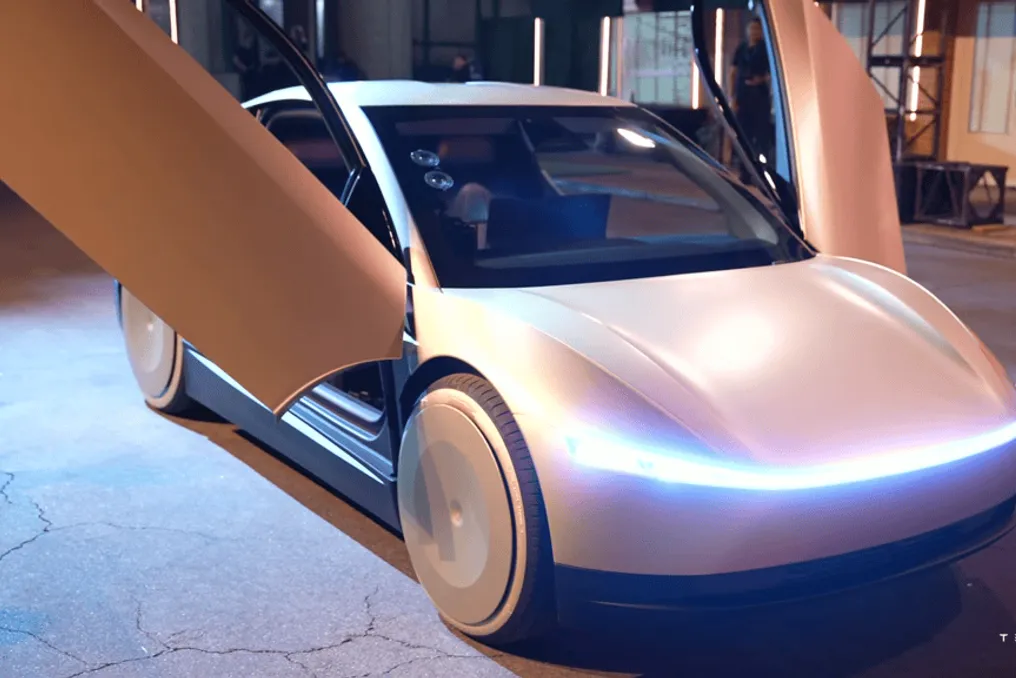
The fleet of Cybercabs, developed by Tesla and introduced to the streets of Austin, Texas, has drawn the attention of authorities. Shortly after these driverless taxis without a steering wheel or pedals began operating, the NHTSA initiated an official investigation against the automaker.
The main objective of this inquiry is to meticulously analyze the certification method and the technical data that Tesla used to allow the autonomous vehicle to operate on public roads.
Currently, U.S. federal regulations stipulate the need for manual controls, such as brake pedals. Although the Department of Transportation recently proposed waiving these requirements for vehicles intended for autonomous driving, current guidelines remain in effect.
To make the Cybercab available on the streets, Tesla opted for the self-certification process, claiming that the automobile meets all federal safety standards. This practice is relatively common among American manufacturers.
Analysis of Tesla's Certification
At this moment, the NHTSA seeks to understand how the company reached this conclusion. In the document formalizing the investigation, the agency stated that it will 'examine the process and the technical data upon which Tesla based the certification of the Cybercab and related issues.'
This is not the first case of an autonomous vehicle company being questioned in this manner. In 2022, Zoox, an autonomous vehicle company owned by Amazon, self-certified its driverless taxi without conventional steering wheel and pedals.
The NHTSA opened a special request for information and, in the following year, initiated a formal audit, following the same procedure now adopted with Tesla. This investigation resulted in a delay in Zoox's commercialization. In 2025, the agency granted Zoox a demonstration permit, but not for the commercial operation of its technology. Subsequently, Zoox requested a temporary exemption for eight federal safety standards.
The Zoox process was concluded in July 2026, when the company obtained final approval for the exemption. Among the established conditions was the verification of the extent to which Tesla's certification depended on the finding that certain federal safety standards would not apply to the Cybercab.
Future Implications of the Case
It is precisely this aspect that may define the future developments of this case. While Tesla maintains that the vehicle complies with current standards, the NHTSA is analyzing the process and the technical basis of this certification.
It is not yet clear whether Tesla will face a regulatory path as extensive as the one experienced by Zoox, which took years to overcome bureaucratic hurdles and only received final exemption approval in July 2026. Thus, the Cybercab case remains in its initial phase, and the investigation should clarify whether the self-certification presented by Tesla is sufficient or if complementary regulatory measures are necessary for the operation of the robotic taxi.