As Women's Month concludes, the Western Cape Department of Health and Wellness highlights the contribution of women at the forefront of organ donation and transplantation across the province.
Professor Minon MacCalloch heads the Clinical Unit of Pediatric Nephrology and Solid Organ Transplantation at the Red Cross War Memorial Children's Hospital. She shares that she always dreamed of becoming a doctor and realized her love for helping children after school, which naturally led her to pediatrics.
Her unit deals with complex kidney diseases both before and after surgical intervention. MacCalloch emphasizes that medicine is a team sport, and she relies on a multidisciplinary network including dietitians, nurses, social workers, surgeons, youth workers, and transplant coordinators who link clinical operations with family support.
She notes that there is nothing more satisfying than helping a sick child recover, as it ultimately means restoring their quality of life so they can go home and be just children again.
Accompanying Families on Their Journey
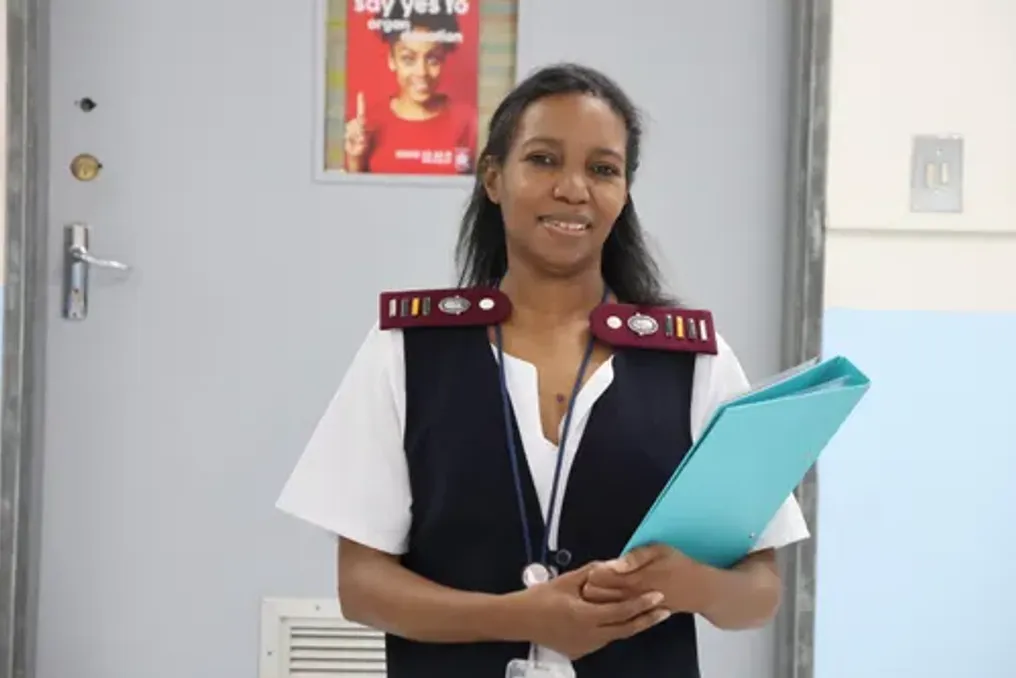
Bongisa Ndamase, a registered nurse trained in intensive care and who joined the transplant team in 2023, acts as a compassionate guide for both donor families grieving a loss and waiting recipients. She explains that her role is to accompany families on this journey. She supports children while waiting for an organ, educates them after transplantation, and helps them understand how to care for themselves to maintain a healthy lifestyle.
Ndamase provides pastoral and culturally sensitive guidance when families face delicate spiritual questions. She reassures families by stating that donation does not change a person's identity or spiritual legacy, asserting: 'Organ donation does not change who you are. Your spirit, personality, and legacy remain untouched.'
She adds that, as a praying woman, she finds the work difficult, but witnessing a successful transplant and the recovery of a child makes it all worthwhile.
Faith, Perseverance, and Precision
Nine-year-old kidney recipient Igshan Louw and his family are personally aware of the demands of transplantation. After being diagnosed with kidney failure in 2025, Igshan's first kidney transplant was unsuccessful, requiring him to return to dialysis. His mother recalls: 'It was a very disappointing experience, but I kept believing.'
On July 25, 2026, the family received notification of an available donor kidney. Following urgent compatibility testing and pre-operative preparation under the guidance of Professor MacCalloch and senior transplant coordinator Sister Naidu, Igshan underwent surgery. The operation was successful, and he remains under active clinical observation to monitor organ function. His mother shares that 'the hospital has become our second home,' and that 'my son even considers the doctors and nurses his biological relatives.'
A Legacy That Lives On
At Tigerberg Hospital, transplant coordinator Dianne Vogt, along with an intensive care-trained nurse with 35 years of kidney experience, coordinates organ retrieval and recipient care. Organ retrieval involves a medical team that recovers organs from a deceased or living donor, while transplantation is the surgical procedure of placing the organ in the recipient; suitability depends on strict clinical criteria.
Vogt states: 'Organ donation is the highest act of kindness. Every donor and every family that agrees leaves a legacy that lives through others.'
This decision restored kidney recipient Winston Moses, who had been on dialysis for five years, supporting his family, before undergoing a transplant in June 2025. Moses says: 'Receiving the call that a donor kidney was available changed my life. My transplant gave me new hope and the ability to focus on my family, work, and the things I love most.'
Professor MacCalloch, Head of the Clinical Unit of Pediatric Nephrology and Solid Organ Transplantation at the Red Cross War Memorial Children's Hospital, strongly urges families to discuss organ donation long before a health crisis arises. She emphasizes: 'Organ donation is one of the greatest gifts a person can give. One donor has the potential to change many lives.'
For more information, please contact the Organ Donor Fund at odf.org.za (toll-free: 0800-22-66-11) or visit the Western Cape Department of Health and Wellness portal.