The complex interaction of environmental factors, economic difficulties, and changes in coastal conditions is creating growing problems for the KwaZulu-Natal fishing community. The incomplete formation of the annual sardine run along the North Coast has led to an unusual silence in historical fishing grounds.
The historic tradition of sardine fishing in Durban, spanning 130 years, is going through an extremely difficult period. What was once a profitable annual event that supported thousands of coastal families and sustained the local way of life has turned into a season significantly different from previous years, causing both commercial netters and recreational fishers to struggle to obtain a basic catch.
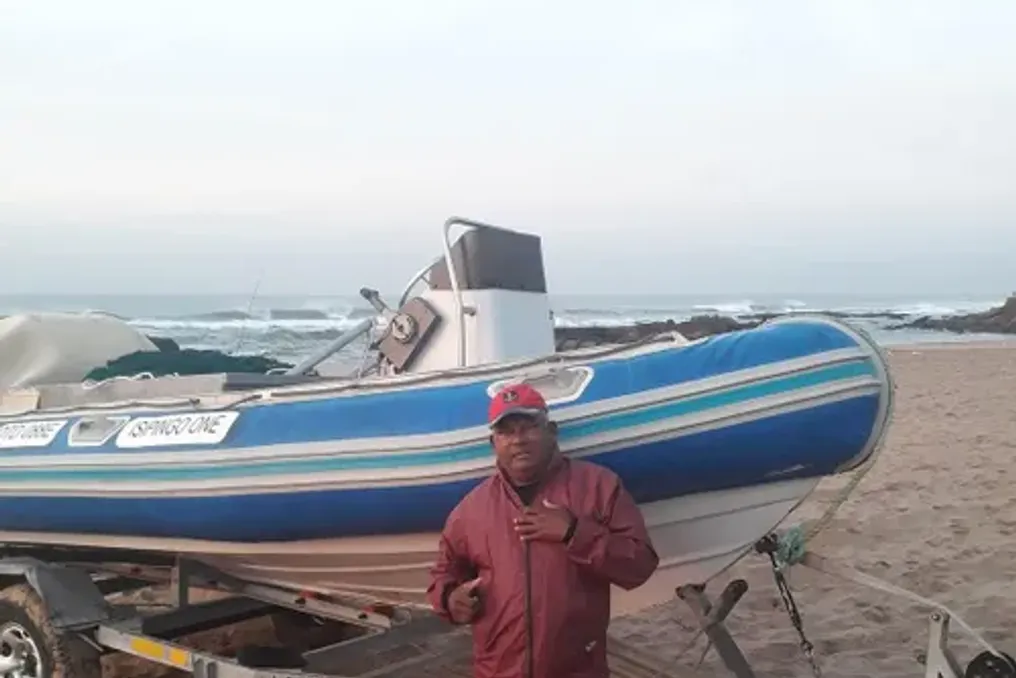
According to Leonard 'Lenny' Pillay, an experienced fisherman and retired rescuer aged 72, the current season has not yielded the harvest that local communities have relied on for generations. Pillay noted: 'As of 2026, it has not been a profitable season for many fishermen. Unlike previous years, fishing has been generally quiet. The sardine catch has been meager.'
Pillay added that although fishermen on the South Coast, particularly between Port Shepstone and Port Edward, observed a more favorable run linked to local sardine activity, these schools failed to migrate north towards Durban and the North Coast in commercially significant numbers.
Threats to coastal identity
For the Durban fishing community, this decline affects the very essence of coastal identity. Pillay recalled times when the annual run was a large-scale economic phenomenon, remembering how 'families survived, taught their children, and managed their livelihoods' directly from the gifts of the ocean.
However, preserving this heritage is becoming increasingly difficult amid mounting pressure on marine life. Pillay links the declining stocks to a combination of worsening conditions over time. He stated: 'The fish stock is in decline, and this has been happening for many years. Huge changes have occurred in netting and fishing. Global warming, changing currents, water temperatures, prevailing winds, and ocean pollution—all are factors affecting the fishing environment. Fish stocks have rapidly decreased over these years. Coastal fishing has been severely affected. The schools have disappeared.'
He specifically highlighted river degradation as a primary catalyst for the decline in stocks along the central coast. Pillay warned: 'Pollution is a serious factor in the Durban coastal area. Most rivers are polluted.'
These problems are exacerbated by systemic illegal fishing. Highlighting the constant pressure on the resource, law enforcement intercepted illegal catches containing dozens of small sardine juveniles three months ago, demonstrating that illegal fishing continues unchecked even as local catches decrease.
The volunteer conservation organization Coastal Marine Task Force (CMTF) noted widespread non-compliance along the coastline: fishers were observed retaining juvenile sardines and exceeding the daily limit of four fish per person (with a minimum length of 30 cm).
A CMTF representative emphasized: 'CMTF does not create laws. We exist only to educate and ensure compliance where applicable, and in collaboration with other stakeholders.'
They added that violators may face on-the-spot fines, arrest, or criminal prosecution. A CMTF representative also reported: 'Firstly, there are clear criminal syndicates operating as efficient chains for harvesting, processing, and distribution, which is an obvious violation of the law in many aspects.' The organization noted that while observations showed some poor violators justifying their actions by basic survival, authorities regularly encounter individuals with expensive equipment and luxury vehicles committing the same violations.
Diverging approaches to resource conservation
Despite the evident strain on resources, industry stakeholders remain divided regarding stock availability and enforcement strategies. Community leaders place a strong emphasis on local education rather than punitive measures.
Desmond D'Sa, founder of the South Durban Community Environmental Alliance (SDCEA) and representative of the KZN Subsistence Fishermen Forum, argued that sardines remain a vital food source for coastal communities. He stressed that continuous dialogue on the beaches is necessary to protect species limits while safeguarding livelihoods. 'We understand that fishing is a means of subsistence, and fishing provides nutrition and food for people,' said D'Sa, noting his organization's active work along the coastline.
He emphasized: 'We have traveled along the entire stretch of KwaZulu-Natal beaches. We went there, we spoke with fishermen. We know that sometimes people catch extra fish beyond the quota, and we keep reminding them that it is forbidden. You can fish every day, or you can bring licensed fishing families, but catching extra fish is not allowed.'
While Pillay describes the current season as a major disappointment, D'Sa noted that his organization's work along the coast showed that sardines remain abundant in certain waters. This highlights a sharp divide between commercial operators observing the collapse of schools and advocacy groups fighting for access to sustenance and education on compliance.
For veteran fishermen like Pillay, the decline in fish stocks points to broader environmental factors that have worsened over time. He repeated: 'The fish stock is in decline, and this has been happening for many years. Huge changes have occurred in netting and fishing. Global warming, changing currents, water temperatures, prevailing winds, and ocean pollution—all are factors affecting the fishing environment. Fish stocks have rapidly decreased over these years. Coastal fishing has been severely affected. The schools have disappeared.'
Pollution along the coast remains a major issue. Pillay stated: 'Pollution is a serious factor in the Durban coastal area. Most rivers are polluted.'
Despite the apparent depletion of resources, local small-scale fishers are working to establish formal cooperatives. Pillay and other coastal operators recently established the KZN Association for Small Marine Business, Seine Netters and Deep Sea Line Fishers, creating regional branches in Chedworth, Hibberden, Port Edward, Richards Bay, and Umtalume to unite their collective bargaining power, secure group permits, and fight for legal access to the ocean.
Pillay cautioned: 'Under current restrictions, it is very difficult for fishermen who depend on the ocean to survive. It is very hard for us commercially, and what about the recreational fishers? Our resources must be protected, otherwise, we are heading toward complete collapse.'